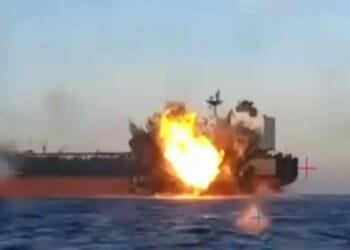
While a growing number of ships have been traversing the Strait of Hormuz, with Lloyd’s List reporting a total of 142 vessels have transited since the start of March, but 67% of that traffic has a direct affiliation with Iran… and the figure rises to 90% when looking at traffic in recent days, as some ships have had to pay fees in yuan or cryptocurrencies before being escorted through the strait…
IRAN’S TOLL SYSTEM IS NOW LIVE IN THE STRAIT OF HORMUZ
In the last 24 hours, around 10 ships have made it through.
Here’s how the system works:
The IRGC is running an informal checkpoint inside the Strait.
1. Ships submit cargo and vessel details through intermediaries
2.… https://t.co/Q21S0gN0Zm pic.twitter.com/PrSDQpKo3R
— Milk Road Macro (@MilkRoadMacro) April 2, 2026
… one vessel class that has so far failed to make the key crossing are LNG-carrying VLCCs, which are critical to ease the Asian nat gas supply crunch because, unlike oil, there are no Hormuz alternatives or bypass pipelines to bring LNG/nat gas to gas-starved Asian customers where demand destruction is now rampant.
But that is about to change: according to Bloomberg, a liquefied natural gas tanker has entered the Strait of Hormuz, and if it successfully navigates the waterway would become the first such vessel to pass through the strait since the start of the war.
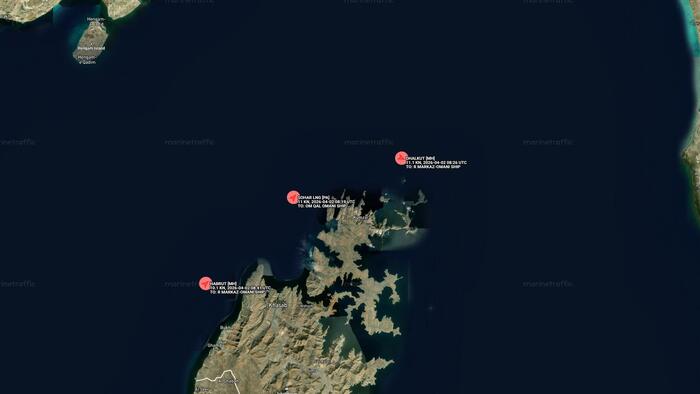
The Sohar LNG tanker, which appears not to be loaded with cargo, is moving eastward after changing its destination to the Qalhat LNG export terminal in Oman, according to ship-tracking data. The vessel, which is signaling that it’s an Omani ship, had been circling around the Persian Gulf over the past month, the data show.

LNG ships have avoided the strait since the conflict broke out on Feb. 28, disrupting about a fifth of the world’s supply of the fuel.
According to Bloomberg, which first reported about the crossing, the ship’s manager, recorded as Oman Ship Management on the Equasis database, didn’t immediately respond to calls or an email seeking comment. Its owner, Energy Spring LNG Carrier SA, shares the same contact details as its manager.
More importantly, the Sohar appears to be traversing the southern side of the strait which is unusual because ships have typically taken a northerly route at Tehran’s behest. In other words, it appears that the Omanese ship is making a run for it.
While the Sohar vessel appears to be empty, the market is closely watching for LNG flows to resume and ease pressure on global prices, as the collapse in supply from the Persian Gulf – with Qatar’s huge Ras Laffan LNG facility damaged and shut-in indefinitely – compounded by outages at Australian facilities due to a cyclone last month, has sent consumers worldwide seeking alternative sources of energy.
More importantly, the empty LNG tanker is not alone. According to data from Lloyd’s List and Hormuz Letter, two other VLCCs, and these are laden with some 4 million barrels of Saudi and Emirati cargo unlike the empty Sohar, are sailing through the Strait of Hormuz, tracking close to the Omani coastline.

All three vessels are indicating they are heading to ports in Oman.

Why does this matter? Well, earlier today, Iran announced the “Oman protocol” which also includes tolls. And now ships are moving, although it wasn’t clear if the ships had paid the toll demanded by Iran.
As The Hormuz Letter notes, “The blockade isn’t ending, but is being restructured. Iran is deciding who passes, under what terms, and at what price. This is what controlled access looks like.“
Earlier today, Kazem Gharibabadi, Iran’s deputy foreign minister of legal and international affairs, said the tanker traffic through the key oil-shipping route must be supervised and coordinated: “Of course, these requirements will not mean restrictions, but rather to facilitate and ensure safe passage and provide better services to ships that pass through this route.”
What he really meant is that going forward – all else equal – every ship will have to pay a toll in the millions, either in yuan or crypto.