Here’s a fun little unexpected update. After failing to come to an agreement with leadership about a vote on their bill to extend expiring Obamacare subsidies, Republican moderates in the House of Representatives turned to their “break glass in case of emergency” option.
House Minority Leader Hakeem Jeffries had filed a discharge petition—a mechanism that can force a vote on a measure blocked by leadership if the majority of members sign it—for a clean, three-year extension. At the start of the week, it had 214 signers, all Democrats, and needed four more to trigger a vote. Discontented moderates filled in the gap on Wednesday, and the House is set to vote on the measure once it comes back in January.
After the petition gained the requisite signatures, many observers described the situation as a debacle for Speaker Mike Johnson, and there is some truth to that. As Punchbowl News’s Thursday newsletter said, “Party leadership is supposed to protect their members from bad votes,” and now many House Republicans will be on the record voting against a measure meant to stop premiums from rising for millions of Americans—which will be Democratic campaign fodder, no doubt.
But consider also that this is not quite an unmitigated disaster for leadership. Johnson and his team get to tell their caucus that they tried their best to stop a vote on something unpopular within the GOP but were unable. And the Republicans who signed the discharge petition now get to tell their constituents on the campaign trail that they’re willing to buck their own party leadership to bring down costs.
In any case, this extension is not going to become law: the Senate already rejected a similar measure last week. But the mini revolt could be the impetus for the two sides to come to a deal related to health care in the new year.
Top Stories From the Dispatch Politics Team
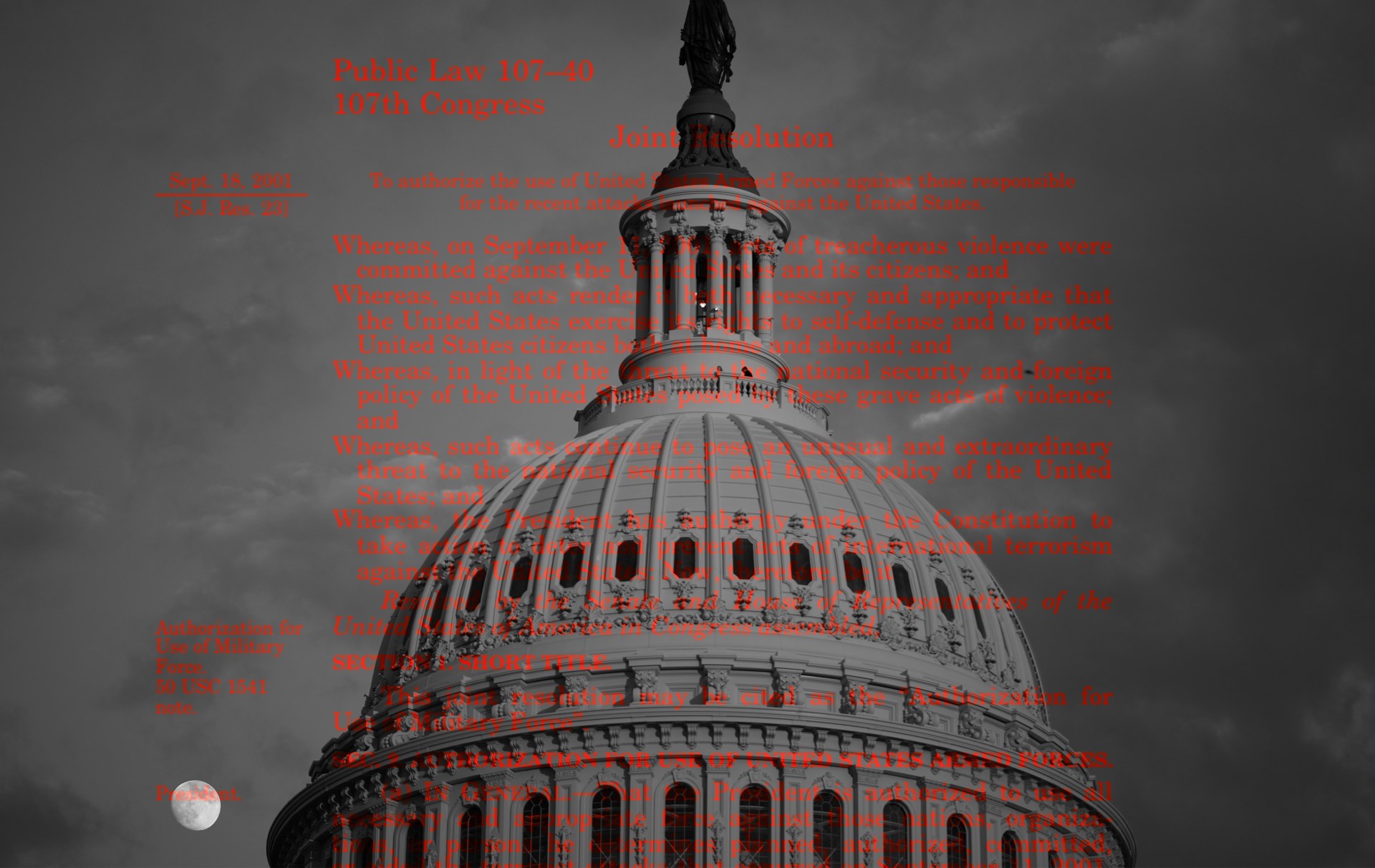
Last week, Congress tackled one of its most important defense policy bills of the year: the National Defense Authorization Act (NDAA), annual legislation that authorizes the Department of Defense to spend the money the legislature has appropriated for it. Inside the text of the NDAA is a repeal of the Authorizations for Use of Military Force (AUMF) that greenlit operations in Iraq during the 1991 Gulf War and Operation Iraqi Freedom in 2002. The move comes at a time when the Trump administration’s justification for deadly strikes on boats allegedly ferrying drugs in the Caribbean and the East Pacific is coming under increasing bipartisan scrutiny. Although two resolutions designed to limit the strikes failed to pass this fall, a bipartisan group of senators is trying again.
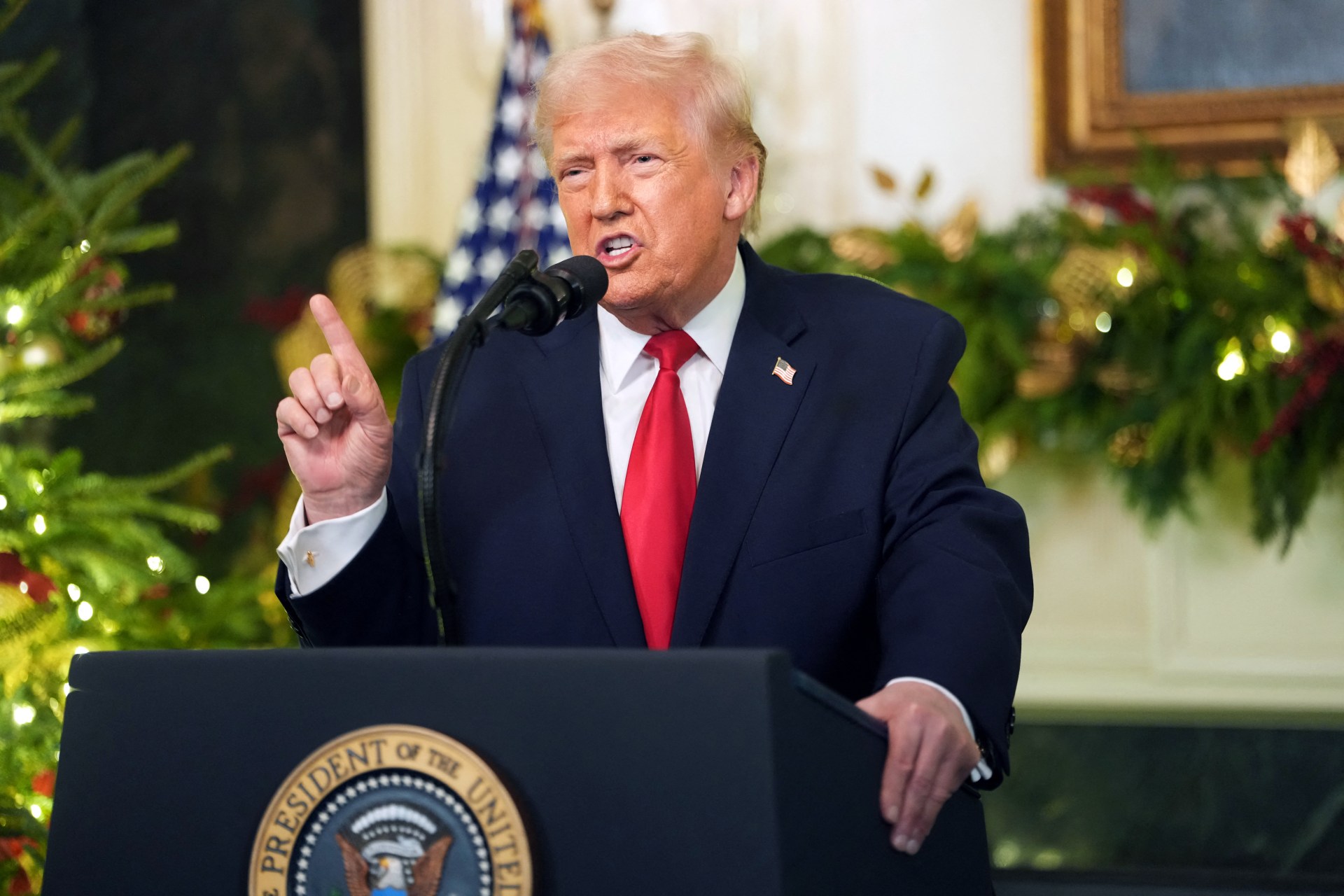
How is Donald Trump’s second term going so far? For clues, just look at his address to the nation this week, delivered from the White House in front of a background festooned with Christmas trees and garlands. And pay particular attention to his choice of words. Trump made lots of references to bringing costs down: for health care, energy, housing. He mentioned by name his predecessor, Joe Biden, and his Democratic administration’s failures on everything from inflation to immigration. And Trump riffed, as he has for the entirety of his decade-long political career, about the corruption and cowardice of every other politician who came before him. But as Trump approaches the anniversary of his inauguration, following a turbulent year in Washington, it’s striking to see how little he is focused on some of what we might consider the hallmarks of his second term.
Large additional subsidies for Obamacare plans enacted during the Biden administration are expiring at the end of this month as Republicans and Democrats remain divided over both fiscal considerations and the issue of taxpayer funding of abortion. The Republican alternative in the Senate would spend less than the Democratic proposal and subsidize ACA beneficiaries primarily by depositing federal funds in Health Savings Accounts. It would also apply the Hyde Amendment, which prohibits federal funding of abortion except in cases of rape, incest, and when the life of the mother is endangered, to those the new funds for Obamacare enrollees. That issue could be a major sticking point in January.
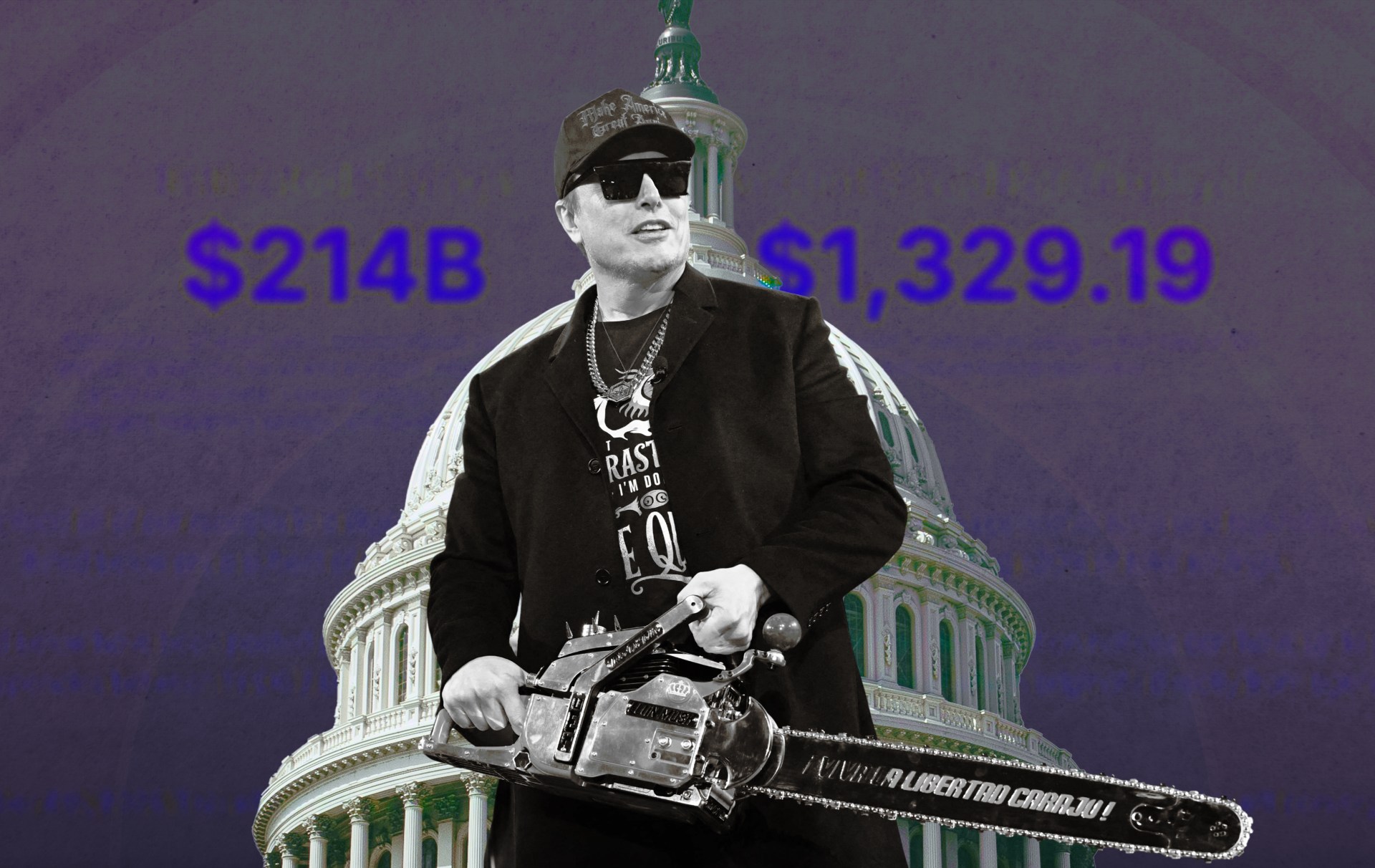
The reported disbanding of the Department of Government Efficiency (DOGE)—eight months before the end of its scheduled term—is perhaps the entity’s only true conservative accomplishment. By having its activities subsumed into the Office of Management and Budget (OMB), DOGE has at least shown that the Trump administration can eliminate a wasteful and ineffective government program. Earlier this year, DOGE tore through the federal government like a hurricane, with director Elon Musk promising to “move fast and break things” like a Silicon Valley disruptor. However, Musk’s exit in late May starved DOGE of the Trump support and MAGA voter credibility it needed to steamroll federal agencies and even Cabinet officials. The remaining remnant of tech bros simply lacked the needed expertise and institutional support to become a true power center to rival OMB.

When President Donald Trump issued an executive order last week intending to preempt state regulations on artificial intelligence, his stated intention was to create one national regulatory standard and avoid a patchwork of state laws that could place undue burdens on tech companies and stymie innovation. Whether Trump has the legal authority to muscle states into shedding laws they have passed as AI has grown to prominence is questionable. But Trump’s move represents yet another shift of power toward the executive—in line with a trend that has been accelerating in the past few decades—and reignites a debate that took place in Congress earlier this summer.
Enjoying our Dispatch Politics Roundup? Consider forwarding this article to someone you know who likes independent, fact-based journalism.