Taiwan may be the most dangerous military flashpoint in Asia, and perhaps the world, with conflict possible between the United States and People’s Republic of China. Washington officials debate how best to defend the island state. President Joe Biden four times promised war if China invaded. President Donald Trump recently announced a major new weapons deal for Taipei.
The issue is more than geopolitics. Leading businesses are obsessed with Taiwan’s chip industry, citing semiconductor production in almost every discussion of the island’s future. Beijing, too, understands that chips matter, though its principal concern remains territorial unification.
Economics is a poor reason to go to war, hearkening back to mercantilist times. Indeed, chip factories are unlikely to survive if war were to break out: To Taiwan’s outrage, U.S. officials have advocated that Washington destroy such facilities if Beijing succeeds in conquering the island.
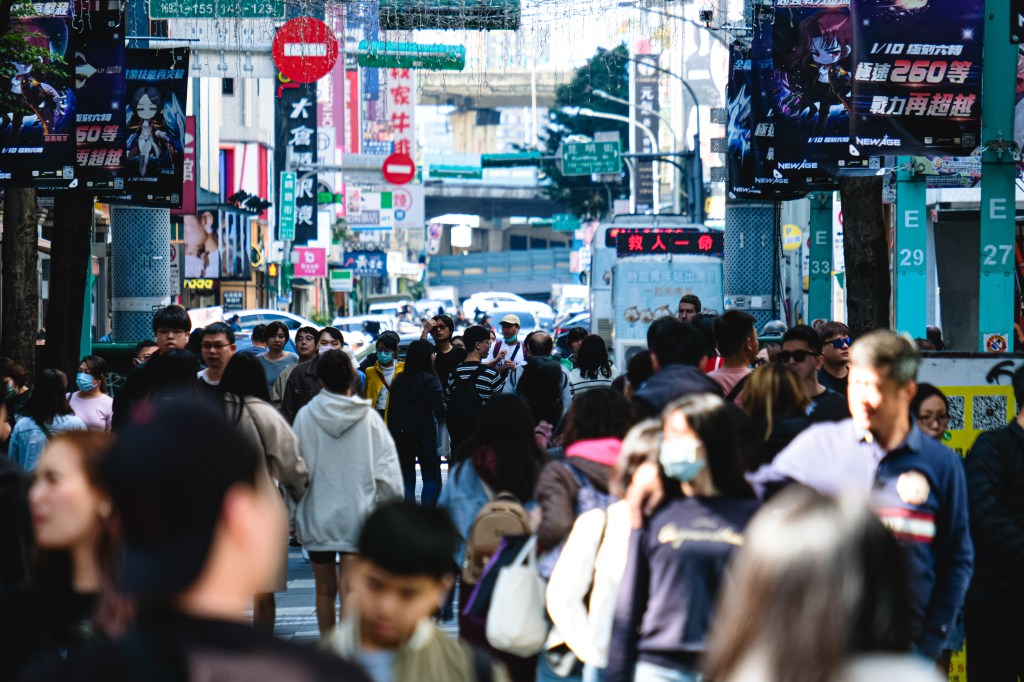
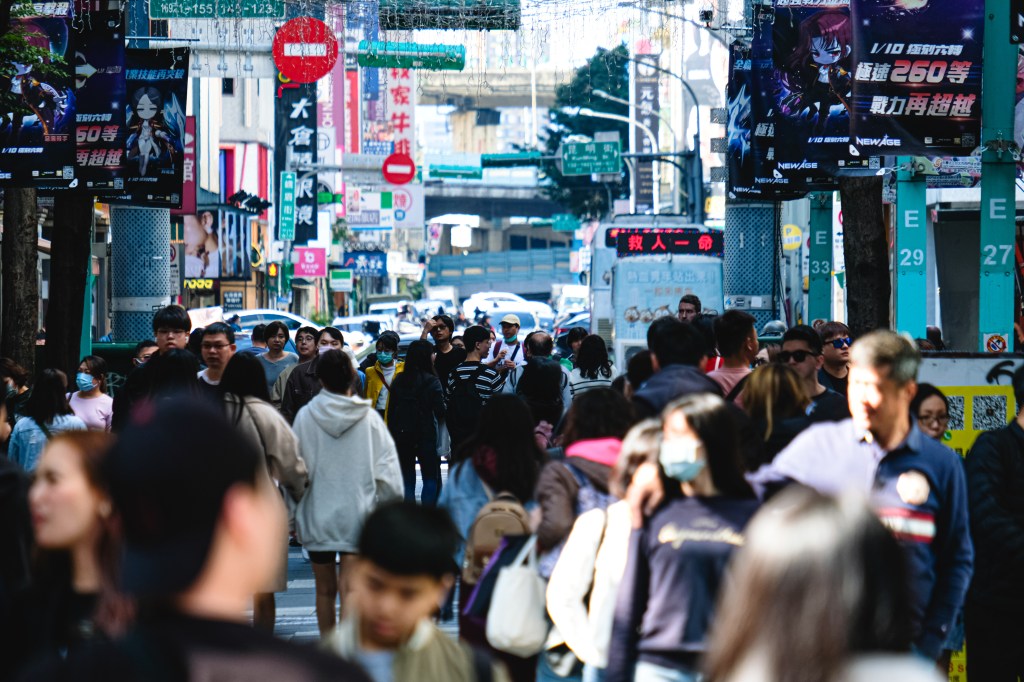
However, there is another reason not to fixate on the buildings where wafers are etched or the land upon which factories sit. Taiwan’s real asset is its people: engineers, operators, managers, and entrepreneurs who possess the dense web of skills, beliefs, and habits that power this complex industry. Land can be acquired. Buildings can be constructed. Machines can be copied.
It is harder to replicate the larger system, based on human capital and institutions, that makes them productive. The core point, made by Nobel laureate economist Paul Romer, is that growth comes from ideas. Unlike land, ideas can be used by many people at once. Develop a better production process or superior supply chain, and these practices can be applied repeatedly at low marginal cost. Indeed, economist Julian Simon termed people “the ultimate resource.” It is human ingenuity that determines how to use resources, overcoming scarcity by finding efficiencies and substitutes. Hence, more capable people in a free economy means more solutions and higher living standards.
That in turn yields a policy option underused by Washington. Since Taiwan’s most important value is human capital, the United States should target that resource as something to protect and, if necessary, relocate. That idea sounds novel only because Washington is stuck in a binary: deter or concede by force. The U.S. should create an immigration “pressure valve” for Taiwanese who want to escape war or life under China. Done at scale, it would enrich the U.S., reduce the likelihood of panic in Taiwan in a crisis, and lower the odds of a great power confrontation spiraling into a nuclear disaster.
Whether to defend Taiwan militarily is a vital but separate question, one warranting serious debate. Whatever the answer, policymakers should broaden the menu of peaceful choices and reduce hostage dynamics.
Start with the human stakes. Taiwan is a free society. In a blockade or an invasion, the Taiwanese people would face a grim choice between submission and war, and any large movement of people would likely be improvised under threat. The results could range between vastly inadequate and wholly disastrous—imagine a panicked, Kabul-style onrush from the entire country. In contrast, a standing, legal pathway to move to the United States would provide individuals and families with an option other than a last-minute stampede.
Moreover, consider the economic gains for America. Taiwanese engineers and managers possess tacit knowledge—the “how” that is difficult to record but crucial in advanced manufacturing. They would bring networks connecting design, tooling, materials, packaging, and equipment. Increasing the community of skilled people would generate more ideas, turning the latter into greater and improved output. If the U.S. wants advanced chip capacity, it needs fabrication plants, power, water, and permits. It also needs people who know how to run those fabs at high yield. Enhanced immigration would directly ease that constraint.
There is also a strategic payoff. Military risks, and especially nuclear dangers, rise when leaders believe they face a “now or never” moment and when opponents have no safe off-ramp. An immigration option would reduce this perceived policy trap. If a meaningful share of the know-how and talent embedded in Taiwan’s semiconductor ecosystem could relocate over time, the stakes of any single crisis would fall. The geopolitical cliff edge would remain but become less steep.
Giving Taiwanese an escape option might also moderate Beijing’s incentives. Its fixation on “reunification” treats land as the prize. But if the people who generate much of Taiwan’s strategic value could leave, coercion would become less rewarding. Even the threat of war would become less effective if the “asset” were no longer fully captive to geography.
What would such a policy look like? Create the Taiwan Freedom Visa program. Offer an expedited path to U.S. residency for all Taiwanese citizens with clean background checks who wish to live in freedom. Take practical steps to make relocation productive, such as credential recognition. Include extended families, which makes people more likely to move and stay. Above all, design a program large enough to matter and create real optionality.
The objections are predictable. Some would warn of a Taiwanese “brain drain.” But the premise is contingency. The island is already under threat. Creating legal pathways would not force anyone to leave. It would simply give them a choice. Others would fear moral hazard: If Taiwanese can leave, Washington would care less about the island’s security. That would be a choice, not a law of nature. The U.S. could, if it desired, pursue both deterrence and refuge, though a decision to risk war with China should not be taken lightly. Beijing would call such a policy a provocation, but China calls many things a provocation, including Taiwanese elections. Washington should not grant authoritarian Beijing a veto over the immigrants America accepts.
Romer taught that ideas drive growth and policy can accelerate idea creation. Simon taught that people are the ultimate resource and solve problems. Taiwan is proof of both. The United States already understands that chips matter. It should now recognize that the most valuable element of “chip-making” is the people involved. To reduce the chance that a dispute over Taiwan ends in catastrophe, Washington should expand its peaceful options. An immigration pressure valve for Taiwanese is one. It would help Americans and Taiwanese, while lowering the odds of a crisis, especially one that turns into a nuclear nightmare.