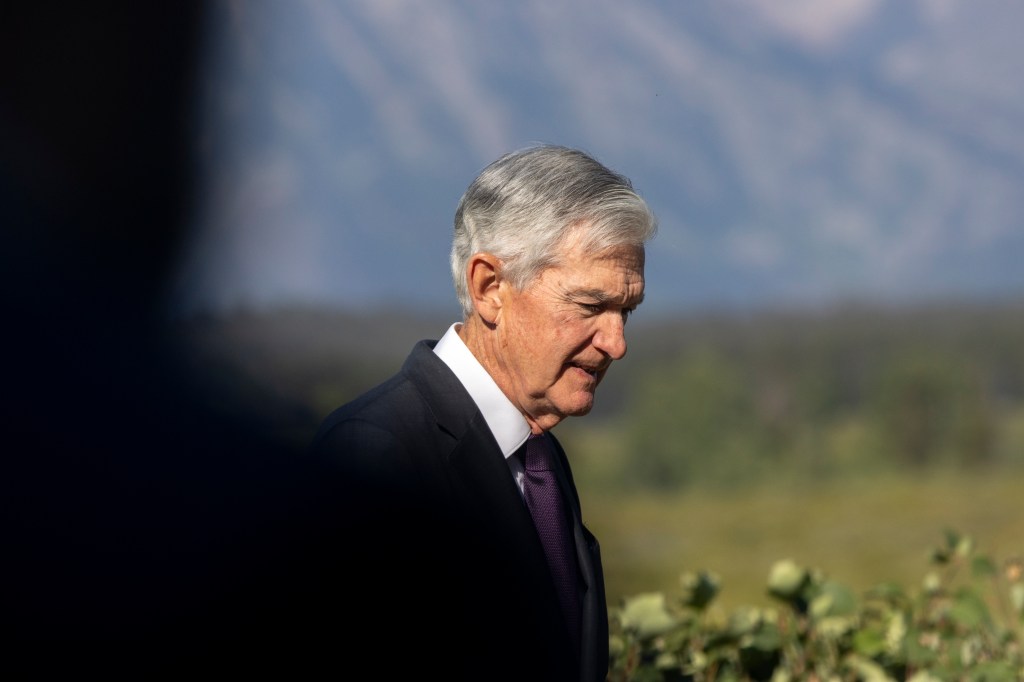
Has there ever been a savvier preemptive strike in Washington from such an unlikely figure? That was my thought when I saw the Sunday night video statement from Jerome Powell, the Federal Reserve chair who has been in President Donald Trump’s crosshairs for months.
Powell is a straightlaced banker and Republican who has served as Fed chair since Trump appointed him to the job in 2018. But since taking office again last year, the president has blamed Powell for keeping interest rates—in his opinion—too high and has periodically made public and private threats to fire him. At the same time, Powell’s testimony before the Senate Banking Committee about cost overruns for ongoing renovations at two aging Federal Reserve buildings drew scrutiny from administration officials. Could a case be built that Powell lied to Congress, committing a crime in the process?
The U.S. attorney’s office in D.C., headed by former Fox News host Jeanine Pirro, pulled the trigger last week, serving grand jury subpoenas to the Fed and threatening Powell with a criminal indictment. The nation found out not because of an announcement from the Justice Department but from Powell’s statement, which allowed the Fed chair to get control of the message and turn it around on the administration. “The threat of criminal charges is a consequence of the Federal Reserve setting interest rates based on our best assessment of what will serve the public, rather than following the preferences of the President,” Powell said.
The message sent shockwaves throughout Washington. Republican members of Congress expressed their disapproval of what clearly looked like a pretextual criminal investigation that threatened the independence of the Fed. One retiring Republican, Sen. Thom Tillis, declared he would put a hold on any presidential appointments to the Federal Reserve board until the matter is resolved. A bipartisan group of former Fed chairs, Treasury secretaries, and prominent economists also defended Powell and denounced this attempt to politically influence the Fed.
The video had the effect, intended or not, of rallying much of institutional Washington around Powell and the independence of the Fed. And it turns out that frustration with Pirro’s move is also shared by folks in the White House, reports CNN, where “officials scrambled to calm markets and reassure lawmakers and to put distance between” Trump and the investigation.
It just goes to show that a little creativity and media savvy can go a long way, even or especially in Trump’s Washington.
Top Stories From the Dispatch Politics Team
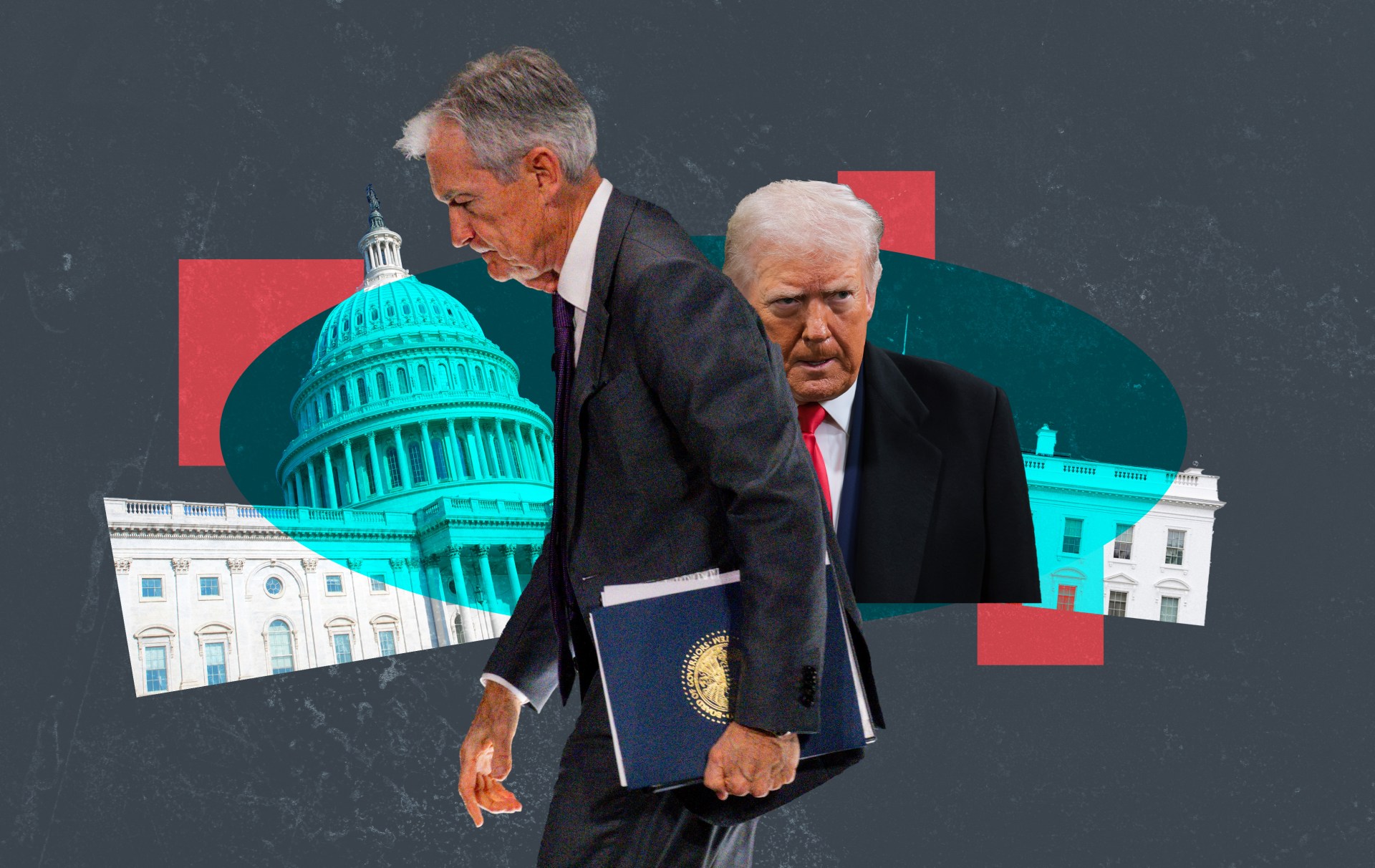
Last Friday, the United States Department of Justice raised the threat of criminally indicting Federal Reserve Chairman Jerome Powell by issuing subpoenas related to Powell’s June 2025 congressional testimony about renovations of Federal Reserve buildings. Within 72 hours, Powell appeared to have effectively quashed an unprecedented act of lawfare against him. He succeeded by acting swiftly and decisively—both in public and in private. The public-facing element of Powell’s response was a concise 285-word statement issued as a press release and direct-to-camera video statement that was published around 7:30 p.m. Sunday. Privately, Powell was working the phones on Sunday and Monday—placing calls to key U.S. senators who had the constitutional power to block any new Trump nominee to serve on the Federal Reserve when the time comes.
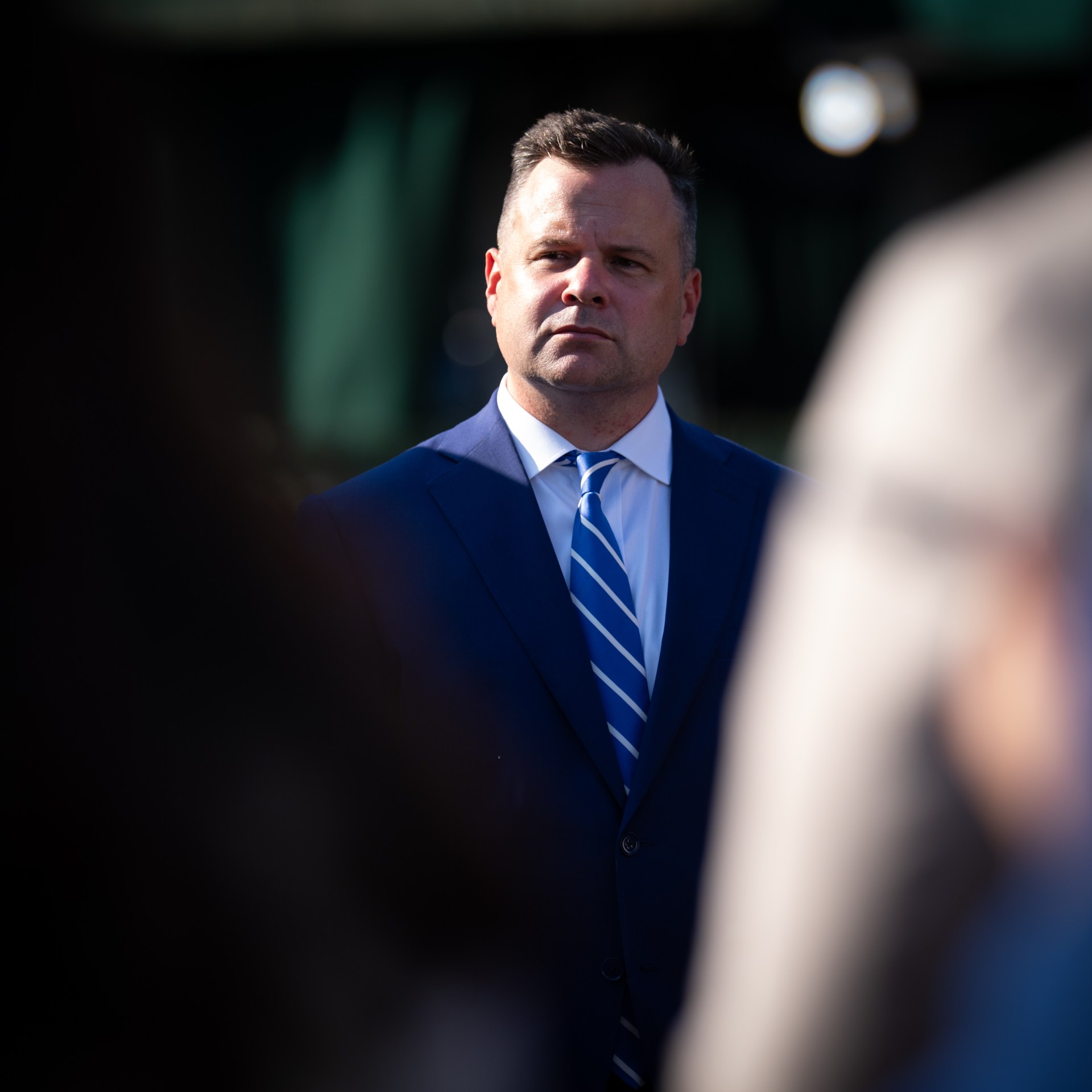
The Justice Department investigation is the latest in a string of attacks on the Federal Reserve and Powell coming from Trump and some officials in his administration. Aside from the president, the single biggest amplifier of this pressure campaign is Federal Housing Finance Agency (FHFA) Director Bill Pulte. Pulte, a 37-year-old wealthy political donor and the grandson of a residential real estate construction magnate, has used his platform at FHFA, an agency that oversees mortgage giants Fannie Mae and Freddie Mac, to attack the Fed and Powell with a singular focus. He has called publicly for Powell to resign dozens of times in the last year and instigated criminal referrals alleging mortgage fraud and resulting investigations into Fed Board of Governors member Lisa Cook, Democratic Sen. Adam Schiff, Democratic Rep. Eric Swalwell, and New York Attorney General Letitia James.

As you may have heard, Venezuela holds the largest oil reserves in the world. The South American country reports having more than 300 billion barrels in its proven reserve base, larger than the in-ground reserves claimed by OPEC kingpin Saudi Arabia. While there are debates about the ultimate size, no one disputes that Venezuela holds substantial crude oil resources. Despite this massive potential, Venezuela today produces a relatively paltry 900,000 barrels per day (bpd), which is more on par with minor OPEC+ members like Oman than the group’s heavyweights. The founding OPEC member continues to produce significantly below its potential due to severely incompetent governance—not to mention rampant corruption—combined with a healthy dollop of U.S. sanctions.
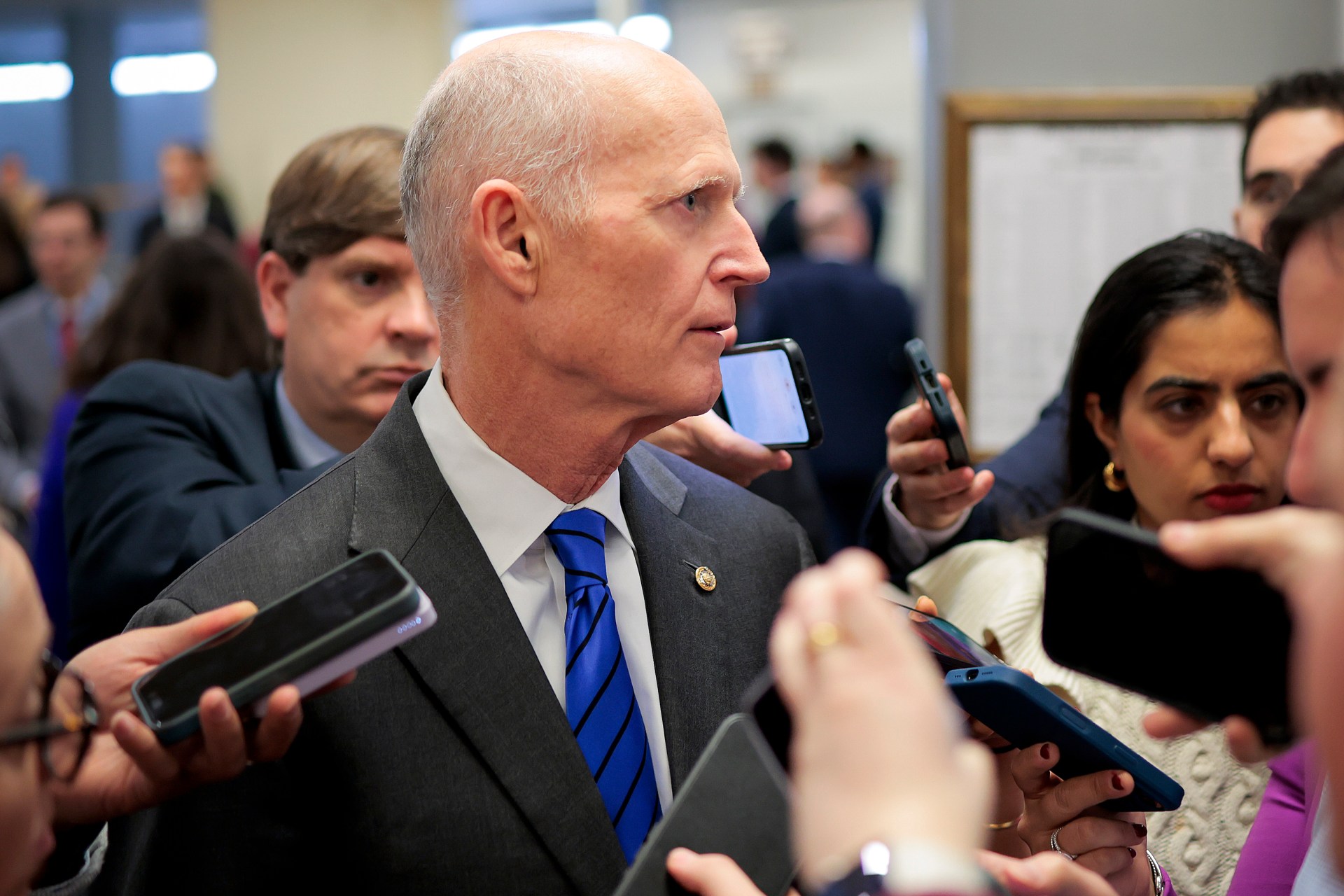
Republican Sen. Rick Scott of Florida has introduced a bill that could exclude Chinese nationals from using U.S. women as surrogate mothers. The Stopping Adversarial Foreign Exploitation of Kids in Domestic Surrogacy (SAFE KIDS) Act would make void and unenforceable surrogacy agreements between surrogate mothers in the U.S. and nationals from foreign entities of concern—that is, China, Russia, Iran, and North Korea. It would except those cases in which two prospective parents seeking a surrogate are legally married and one is an American citizen. “We shouldn’t be allowing foreign nationals to have kids by surrogate and have their kids be U.S. citizens,” Scott told The Dispatch. “It shouldn’t be happening anywhere.”

Four years ago, Pennsylvania Governor Josh Shapiro won in a rout and is favored again heading into the midterm elections. The governor’s 2026 goals are lofty: Win reelection with coattails long enough for Democrats to win full control of the state government in Harrisburg, and claim victory in Pennsylvania’s contested congressional seats, bolstering his party’s chances of capturing a majority in the House of Representatives. But for Shapiro personally, the stakes are even higher. Winning reelection in 2026 positions the governor to seek the Democratic nomination in 2028—if he wants to. Notably, he hasn’t ruled out doing so and appears to have warmed to the concept, as he told The Dispatch in an interview last May, although discussing anything other than the task at hand is verboten in Shapiro world.
Enjoying our Dispatch Politics Roundup? Consider forwarding this article to someone you know who likes independent, fact-based journalism.