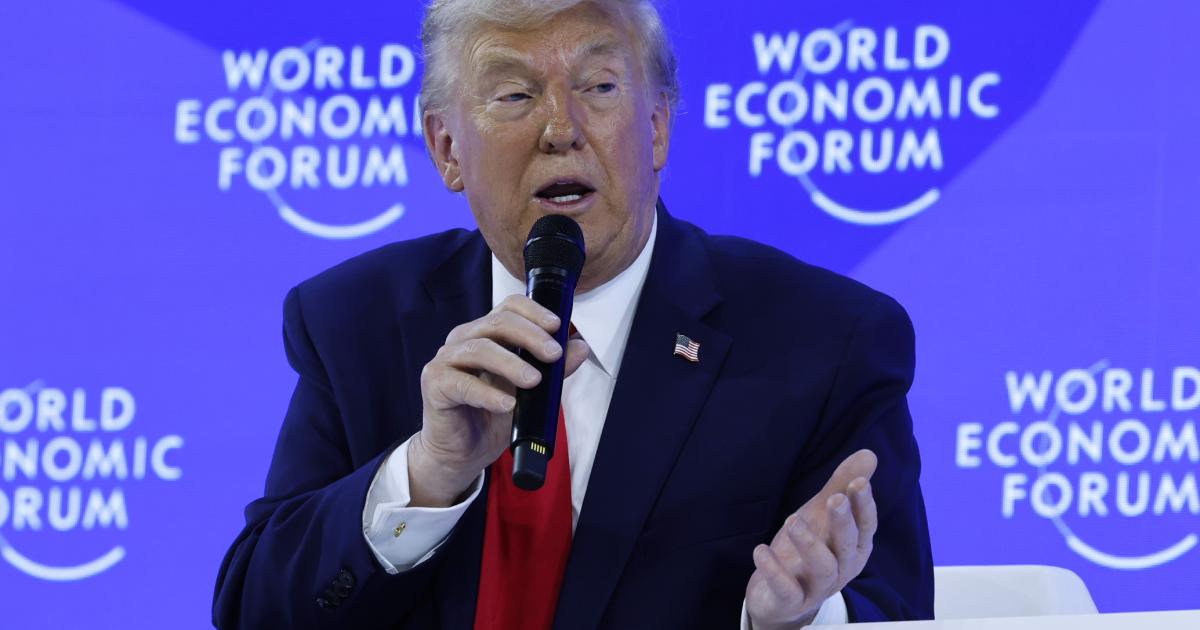
The events of this year’s World Economic Forum made one thing unmistakably clear: The post–Cold War global order is over, and the Davos class knows it. President Trump’s speech cut through the technocratic fog with a blunt reminder that power, not process, still governs the world.
His remarks on Greenland were not provocation for its own sake—they were a strategic declaration. The Arctic is the next great theater of competition, and the United States will not subcontract its security interests to multilateral talking shops or European complacency.
Europe’s reaction exposed its deeper crisis. While elites clutched their pearls, Trump articulated what many Europeans privately understand: A continent that underinvests in defense, overregulates its economy and outsources its energy and security has no claim to global leadership.
>>> Why America Should Take the Lead in Greenland—Before Our Adversaries Do
Transatlantic relations will persist, but they will be rebalanced—away from dependency and toward reciprocity. Trade, too, will reflect this shift. Access to the American market is a privilege, not an entitlement, and it will be aligned with U.S. strategic and industrial interests.
Even the so-called Board of Peace exposed what Davos refuses to admit: Donald Trump is the only leader serious about ending wars that the EU and United Nations have ignored, mismanaged and prolonged for decades.
Rejecting moral posturing and process-driven failure, Trump intends to engage the leaders who have the power—backed by American strength—to reach real settlements where global institutions like the U.N. have repeatedly failed.
This piece originally appeared in NOTUS