
After I returned from my trip to the Sunshine State last week, friends and colleagues would ask, “How was Florida?”
“Fine,” I would reply, “aside from the antisemitism.” I was there covering James Fishback, an antisemitic Republican candidate for governor. During his campaign, he has used a dogwhistle to describe junk food, denigrated a Jewish holy site, and praised the audience of streamer Nick Fuentes.
He is unlikely to win the nomination, but he is amassing lots of support from conservative youngsters at a time when GOP veterans have raised alarm about the growing embrace of antisemitism in the party’s younger ranks. Check out my piece linked below to learn about Fishback and those supporting him.
More importantly, however, I have to tell you about a food I tried down in Florida for the first time. Gator is pretty good. A restaurant near my hotel served gator tacos with the meat deep fried, so I knew I had to get it. It tasted sort of like chicken but a tad gamier. If you get the chance to try it, I would very much recommend.
Top Stories From the Dispatch Politics Team
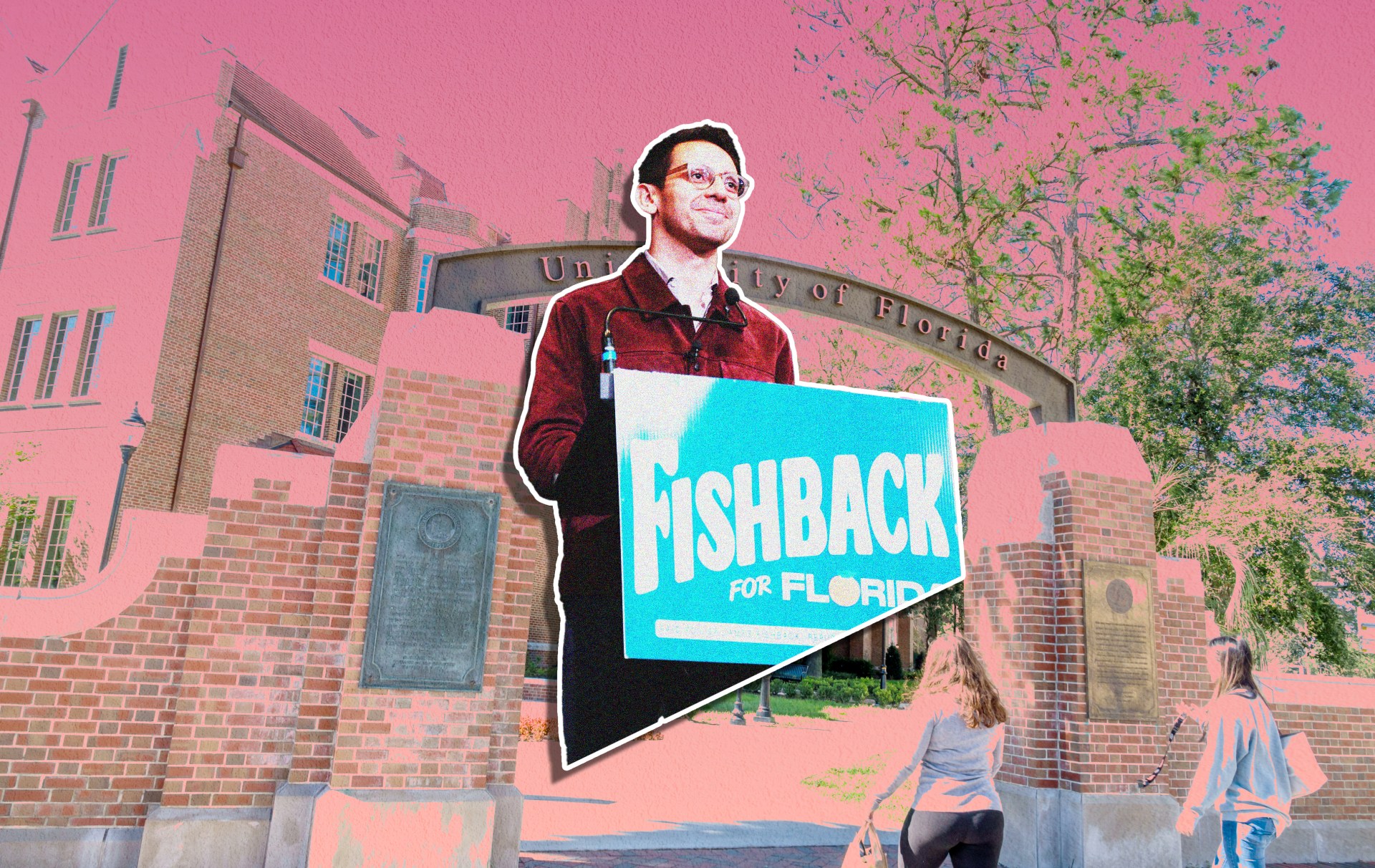
James Fishback, the 31-year-old businessman running to succeed the term-limited Gov. Ron DeSantis, has made criticism of Israel central to his campaign. It’s a major reason he has seized the attention of many young people across the Sunshine State, and it’s a message that has found favor among young conservatives who at best are less supportive of Israel than older Americans and at worst demonstrate the growing acceptance of antisemitism on the right. The College Republicans chapter at the University of Florida itself provides a window into the embrace of radicalism and antisemitism among young conservatives, showing how ideological fragmentation among GOP groups has facilitated a drift toward extremist political beliefs.
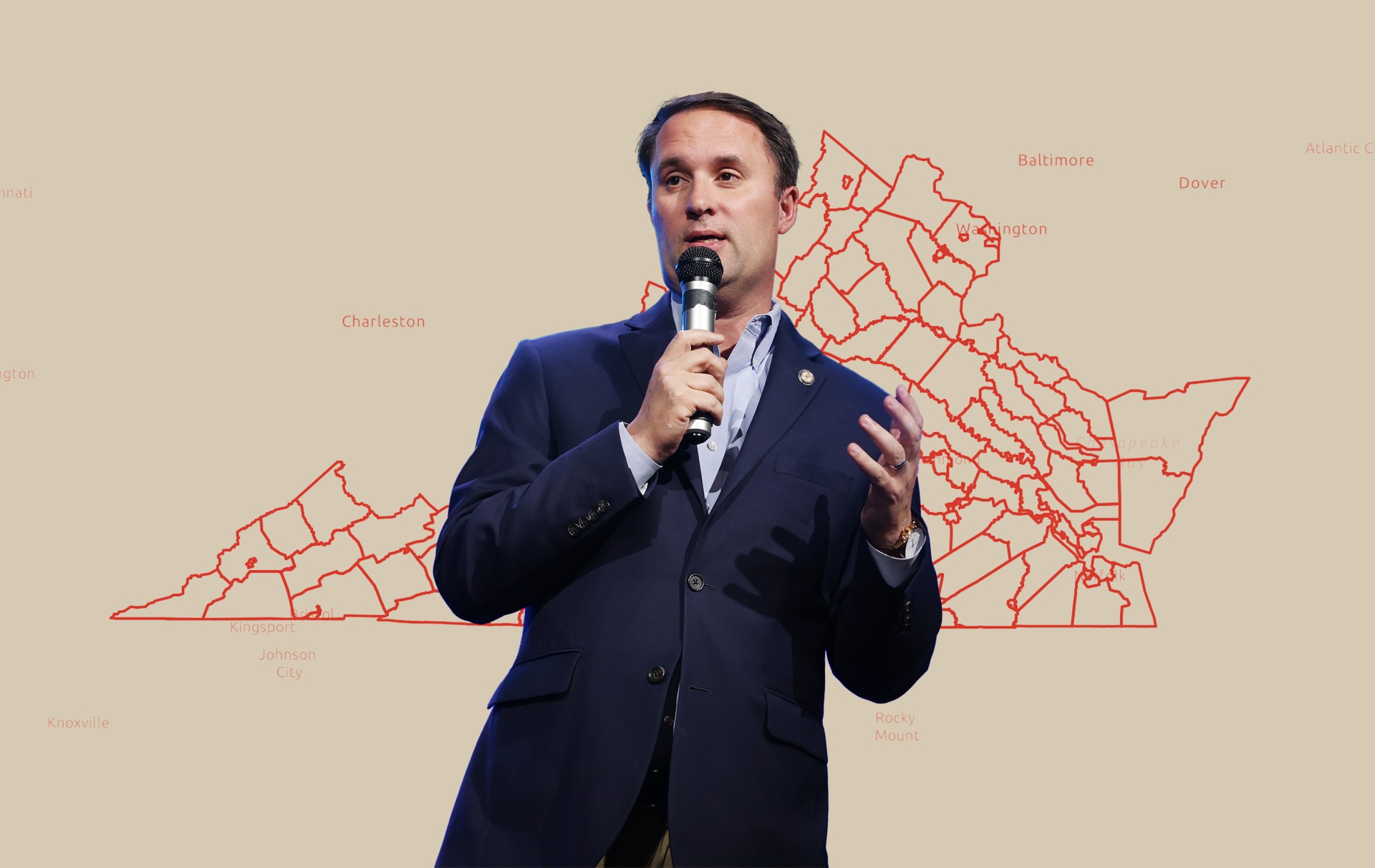
Early voting has already begun in a special election to amend the Constitution of Virginia and allow the Democratically controlled General Assembly to redraw congressional districts before this year’s midterms. If the amendment passes next month, in one fell swoop Democrats will remake the commonwealth’s map in an egregious gerrymander intended to strip Virginia Republicans of four of their five current seats in the U.S. House of Representatives. Republicans in the Old Dominion are scrambling to stop that frightening prospect from happening before the April 21 special referendum election.

The political fallout from President Donald Trump’s mass deportation program has damaged his job approval ratings, led to the firing of Homeland Security Secretary Kristi Noem, and prompted the White House to urge Republicans in Congress to abandon the issue and instead tout administration efforts to remove criminal aliens. But the main architect of mass deportations, Stephen Miller, remains the White House deputy chief of staff because of his unquestionable loyalty to Trump and personal popularity among GOP voters. Few if any Republicans in Washington, D.C.—elected officials, lobbyists or operatives—are demanding Miller’s ouster, or even that immigration be removed from his portfolio. That’s despite the boost the mass deportation operation has given to the Democratic Party’s bid to recapture the House of Representatives and Senate in midterm elections.

While the U.K.’s emissions reductions are indeed large, the country remains far off track for achieving its long-term targets, which have become even more aggressive in the 17 years since the law was passed. A closer look shows that the U.K.’s headline numbers are not quite as impressive as one might think, as the country has relied on offshoring energy-intensive economic activity and other actions that take emissions off the national scorecard. Overall, the U.K. does not offer a model for emissions reductions that might be exported elsewhere.
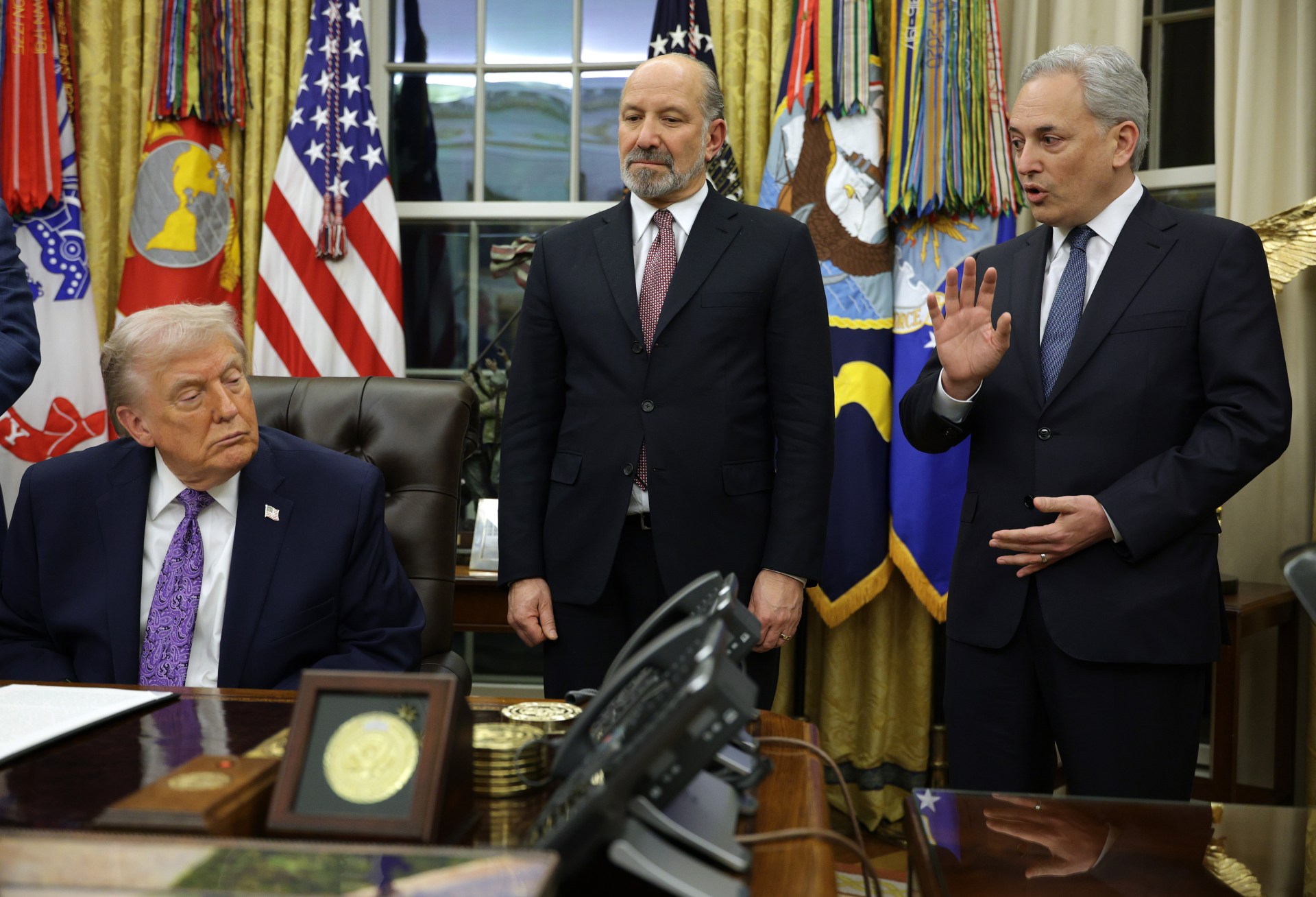
In December, Donald Trump signed an executive order calling for the future establishment of a single national standard for AI policy to avoid a patchwork of state regulations and centralize AI governance by challenging “onerous” state laws using legal and financial means (though the order’s legal teeth remain weak). But with no national AI regulations in place, Republican lawmakers across the country are getting antsy. “There’s a real groundswell of support within the Republican Party over protecting the ability to safeguard people from AI harm,” said Chris MacKenzie, vice president of communications at Americans for Responsible Innovation, a technology policy advocacy group that helped coordinate the letter.
Enjoying our Dispatch Politics Roundup? Consider forwarding this article to someone you know who likes independent, fact-based journalism.