There’s a particular type of lie that dominates American political discourse these days. It’s not a factual lie, but a conceptual mistruth: the promise that you can make life more affordable without actually making anything cheaper. Call it affordability theater.
It’s easy to propose ideas that make things feel more affordable without actually making them less expensive. And while both parties traffic in this kind of theater, the GOP— especially under President Donald Trump—has turned it into a governing ethos.
The formula is simple. First, Trump will create an affordability problem through his own policies. Then, instead of fixing the underlying cause, he will propose to paper over the problem with a subsidy, a tax gimmick, or a check.
Tariffs are the most obvious example. Trump returned to office in 2025 in no small part because of voter anger about inflation and the cost of living. And his signature policy move was to tariff nearly everything Americans buy from abroad. Tariffs are taxes that raise prices, and analysis from the Budget Lab at Yale shows the costs of tariffs mostly manifest as higher prices for consumers. How does Trump aim to square this circle? Tariff stimulus checks. After worsening the cost-of-living crisis, Trump and his allies floated the idea of sending rebate checks to offset the pain.
It’s hard to imagine a cleaner example—make life more expensive, then offer to partially compensate you for the pain while taking credit for both moves. But after the check is spent, life is still more expensive than it was before.
The same pattern plays out with Trump’s farm policy. The administration’s approach to trade and immigration has repeatedly made life harder for the agricultural sector. Farmers are facing a tightening labor supply and disrupted export markets. How does the administration respond? A farmer bailout, alongside a bit of performative yelling at tractor manufacturers.
Energy policy has followed the same script, albeit with global stakes. Trump’s decision to start a war with Iran has helped drive up global oil prices. The price of gas is skyrocketing, and Trump is considering suspending the federal gas tax, a move supported by politicians in both parties. Gas is expensive now because of Trump’s reckless approach to geopolitics. But rather than do anything about the core issue—Trump’s reckless and ill-conceived war—our leaders just want to suspend a tax for a while.
None of these affordability theater tactics like tariff rebates, farmer bailouts, or tax holidays address the root cause of why prices are increasing. They serve only to create the impression that someone, somewhere, is doing something. They’re designed to give voters a quick hit of relief without structural change.
Democrats, to be clear, are not innocent here. They eagerly engage in their own versions of affordability theater. They’re happy to campaign on gas tax holidays, and they share the modern GOP’s love for gigantic deficit spending. Budget analyst Ben Ritz of the Progressive Policy Institute has detailed how Democratic politicians like Sens. Cory Booker and Chris Van Hollen are proposing gigantic tax cuts based on fantasy math. Their stated goal is to address the crisis of affordability by putting more money in people’s pockets, but they don’t seem to recognize or care that deficit spending is one of the factors pushing inflation so high in the first place.
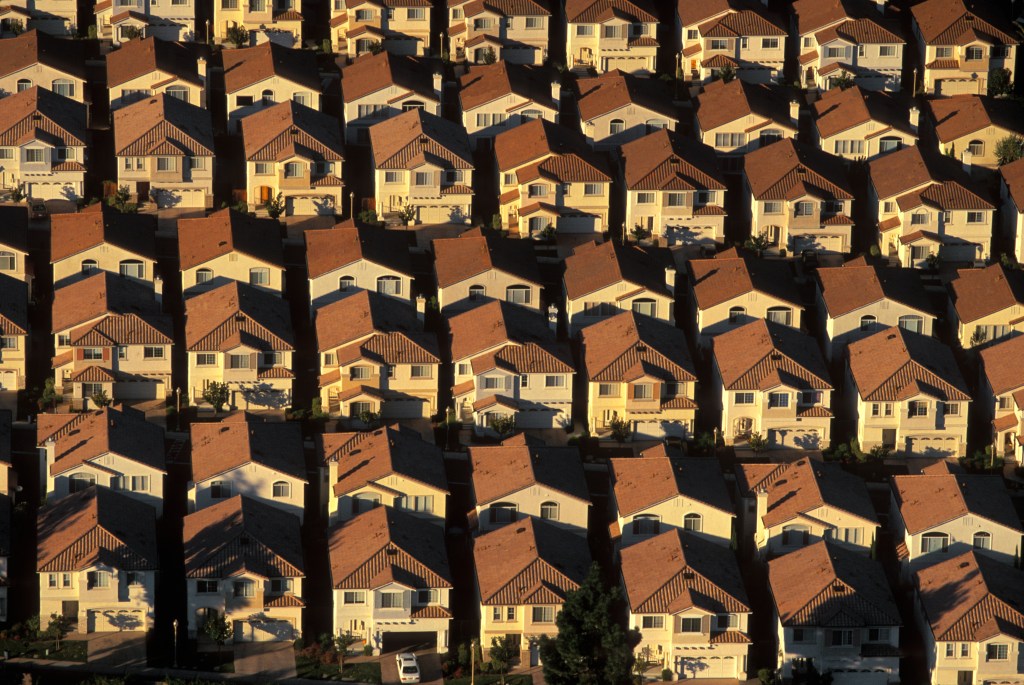
Housing is yet another area where Democrats are prone to rhetorically satisfying posturing rather than root-cause thinking. In the majority of America’s biggest and most productive cities, housing is unaffordable. The root problem is that we don’t build enough housing. What do Democrats propose? While many of them are working to make it easier to build, far too many others rely on ideas like rent freezes, bans on corporate ownership of housing, or even more stringent housing regulations.
Tradeoffs are something modern politics is designed to avoid.
Many of these affordability theater tactics poll well. They’re emotionally satisfying. Why shouldn’t I get a tax cut? Why shouldn’t we all get checks? But even if they poll well in the short run, they don’t actually solve the problem. A tax cut doesn’t do anything to make your rent or child care less expensive. Rent control leads to tighter supply and higher long-term housing costs. A gas tax holiday won’t change the fact that the Strait of Hormuz is closed and global energy markets are panicking. These solutions are like taking a baseball bat to someone’s kneecap and then offering them a Band-Aid afterwards.
While voters might approve of the short-term fixes, they’re not stupid in the long run. If you treat affordability as a morality play instead of a production problem, you’re not going to fix the problem, and a year down the road voters will notice. This is what sank Joe Biden’s presidency: Despite pandemic relief checks, an expanded safety net, and huge investments in infrastructure and science, voters did not feel like their lives were actually getting more affordable. And just as the cost of living sank Biden, it’s steadily sinking Trump in his second term.
Affordability is one of the few issues where reality asserts itself quickly and unmistakably. You can’t spin your way out of a voter’s rising grocery bills. Vibes won’t cure how people feel when they fill up their tanks.
The actual solutions to these problems are not mysterious, they’re just politically inconvenient. To lower the cost of housing, you have to build more of it. If energy is too expensive, you have to increase supply and reduce vulnerability to shocks. If inflation is a concern, you probably shouldn’t deficit spend like there’s no tomorrow.
These policies aren’t as viscerally satisfying as offering a quick bailout or a check. They might not get applause at candidates’ rallies. They require tradeoffs, and tradeoffs are something modern politics is designed to avoid. But the reward you get for the hard, slow, boring work is that supply-side solutions actually make life more affordable.
Instead, we’re getting affordability theater from both parties. And we’re stuck with the sugar-high version of politics, where voters are continually pandered to without any serious consideration of our actual problems.