Earlier this week we reported that global chip production was in peril as “Qatar Warns Helium Exports Set To Collapse.” Best known as the gas that makes party balloons float, helium is far more important as a key input in chipmaking, space rockets and medical imaging. The problem is that Qatar supplies a third of the world’s helium, and the Gulf nation had to halt production after Iranian strikes against the region’s energy producing infrastructure crippled its LNG production which is critical to make helium, leading Qatar’s state-owned gas company to warn helium exports would collapse.

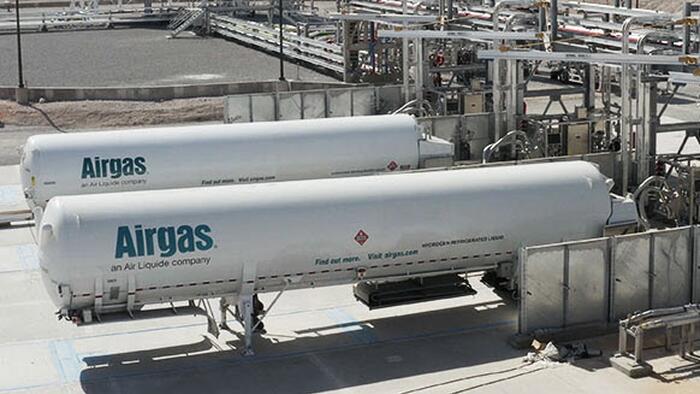
The sudden halt of the helium supply chain has forced AirGas, one of the largest distributors of packaged gases in the US, to curtail helium shipments after Qatar halted LNG production.
Airgas, an Air Liquide SA company, declared a force majeure event on March 17 at 12:01 a.m. Eastern time, according to letters dated last week that were reviewed by Bloomberg News. The company anticipates that it will provide some customers with up to half of their normal monthly helium deliveries, and it will add a $13.50 per hundred cubic feet surcharge.
As noted above, Helium has several critical uses, including in health care and manufacturing. Hospitals use helium to keep MRI machines running and to treat patients with certain respiratory diseases. The inert gas is also essential to the manufacture of high-end semiconductors, such as Nvidia Corp.’s AI accelerator chips. Any shortages of the material could squeeze an already strained supply chain. The semiconductor industry is working to keep up with the massive demand for components used in the data centers that are needed for the build-out of AI infrastructure.

Airgas is prioritizing health-care customers over other industries, according to a market update reviewed by Bloomberg that was produced by Vizient, which helps hospitals purchase supplies. Vizient declined to comment on Airgas specifically, but said that in general it’s not uncommon for suppliers to prioritize health-care customers during disruptions.
The good news it that medical imaging professionals in the US say that disruptions to the helium market are not affecting patient care.
The worse news is that AirGas’s decision would mean that chip giants like Taiwan’s TSMC will see significant delays in obtaining the critical compound should the Iran war persist, painfully snarling the already stretched AI chip supply chain, potentially leading to major production shortfalls.