
Diego was just 10 years old when he and his family crossed the border at Nogales. His father had had some difficulty with the journey—leg cramps after three days of walking through the mountains with his four children—and at times worried that the coyotes (immigrant smugglers) would abandon the limping man and his family in the desert. They were not the only family making the trek, and human trafficking is not exactly an enterprise known for its “no man left behind” sensibility. Diego doesn’t remember much about the journey, other than thinking that he was going to miss his friends back home. He and his parents made it across the border, where they were quickly pulled over by the highway patrol, who called the stop in to the federal authorities. “But when he couldn’t get an answer from anyone in immigration, he just told us to go back,” Diego remembered. “You know how that works. We said ‘yes’ and made a U-turn, and then made another U-turn when he went away.” They proceeded onward to California and what sounds, for all the world, like a normal life: Diego finished high school, got a job, married his wife and had children, and lived as a typical Southern Californian for many years. Ask him how long he’s been in California, and he’ll say, “My whole life.”

A week before she died in that nursing home, my mother had decided to tell me about her regrets, the kinds of regrets that families air on their deathbed. Many of them had to do with me, though none were really hers to regret—she couldn’t have known my third-grade class was bullying me, and it certainly wasn’t her fault that I nearly flunked out of both high school and college. I attempted to reassure her, and when that failed, to divert her, but my mother plowed on, through the failure of her marriage to my father, and the trouble she’d given her own parents. “I could have done so much better.” Her voice was plaintive. “The wild child. The chaos mom. The unwed mother.” Her own youthful misadventures I knew something about—let’s just say that the tendency to flunk out of school seems to be hereditary. I was also, obviously, aware that her marriage had gone awry; my parents essentially stopped speaking to each other when I was still in primary school, and finally divorced when I was 33. I was nodding along, trying to look sympathetic and loving, and then … unwed mother? I blinked. She was looking at me with the look people give you when they want to say something and can’t find the words they need.
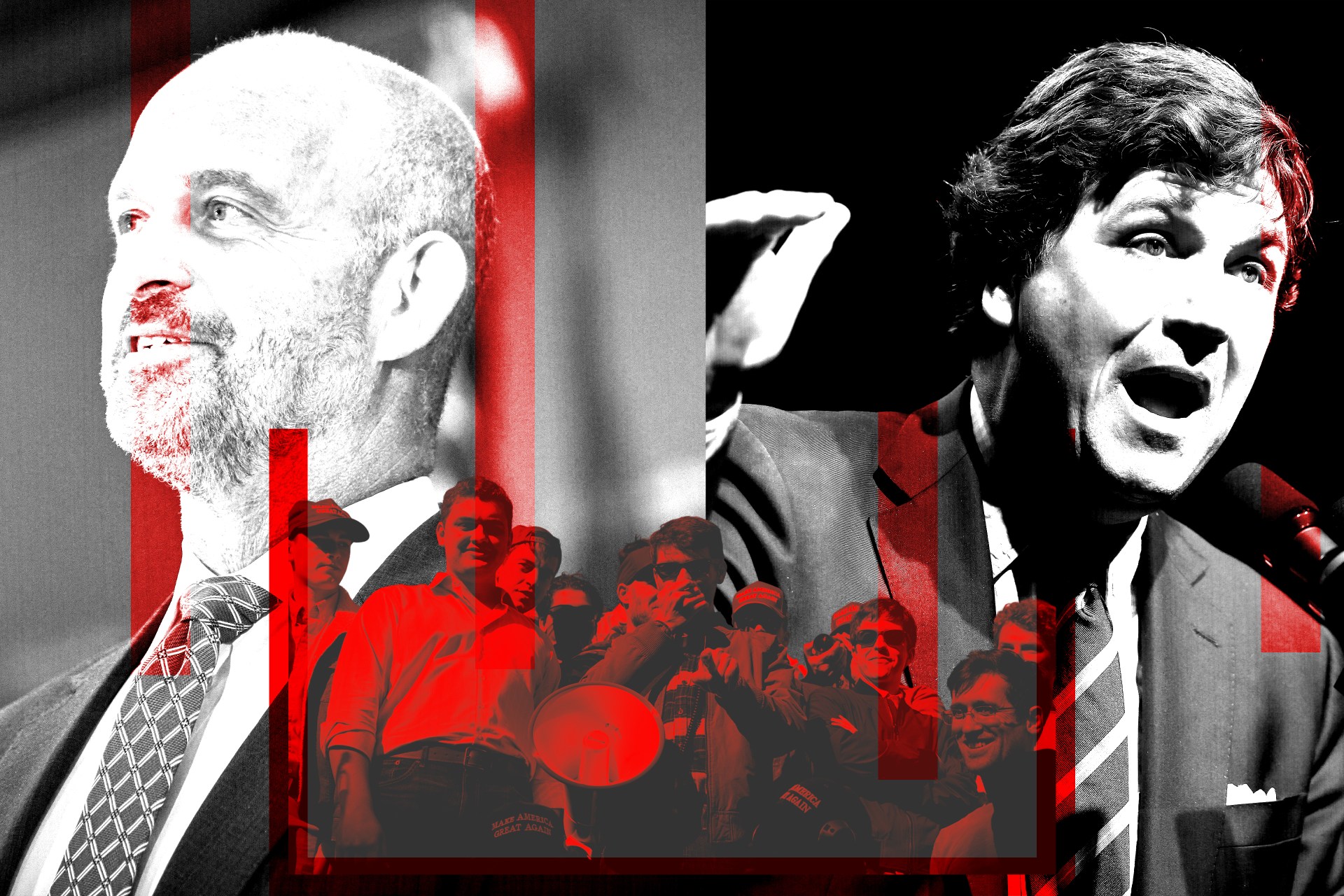
Tucker Carlson knew a lot about Nick Fuentes by the time the two men sat down for a friendly two-hour chat on Carlson’s top-rated podcast in October. Just a few months before that, Carlson had spoken out against Fuentes as “this child, this weird little gay kid in his basement in Chicago” and insinuated that Fuentes was being paid by the federal government or another malign force to discredit him. “Every time I had a new show, David Duke would endorse my show,” Carlson said, referring to the neo-Nazi Louisiana politician. “David Duke is obviously part of a campaign to discredit people on the right, obviously, and I think it’s very obvious that Nick Fuentes is exactly the same.” In other words, the pure and direct antisemitism of Fuentes discredited the coy and thematic antisemitism of Tucker Carlson. What changed between Carlson’s August denunciation of Fuentes and his October softball interview with him? Fuentes continued to attack Carlson as a dishonest elitist, and multiple prominent MAGA media voices publicly suggested Fuentes was winning the fight. On August 6, Carlson’s newfound friend and prominent conspiracy theorist Alex Jones talked up the “explosive popularity” of Fuentes and said the American people had become even more extreme than Fuentes. That same month, Trump’s former White House chief strategist Steve Bannon endorsed a social media post that said Fuentes was “freaking on fire right now.”
Firefighters love their “salty old captains,” the rough-around-the-edges types. It’s a culture that fosters emotional detachment, which, Steve Farina believes, is essential when properly balanced. “You gotta be strong, you gotta show up,” he says of the mindset. “If you are going to a call and it’s someone’s worst day, you have to be operational, you have to be stoic.” But picking up the pieces after those dispatches is hard. Farina remembers “some really sh-tty calls involving kids and stuff like that.” After those calls, he’d grab a coffee and a sandwich, “load up my kayak and head to the river, first thing.” Before he discovered kayaking, he coped with the stress like many other guys do: by bottling up his feelings. He filled up his “backpack,” as he calls it, with a lifetime’s worth of traumatic calls without ever taking it off. It got to the point where he became his “own worst enemy”—the “helper who was helping everyone else and just stuffing my sh-t down.” “I basically had to take a knee [when] I realized that it had caught up to my life,” Farina says. “The work and all of the sh-t that I’ve been dealing with, all the calls. And I said, Enough is enough. I’m not showing up the best version of myself, for my daughter, and for my friends and for my family.”
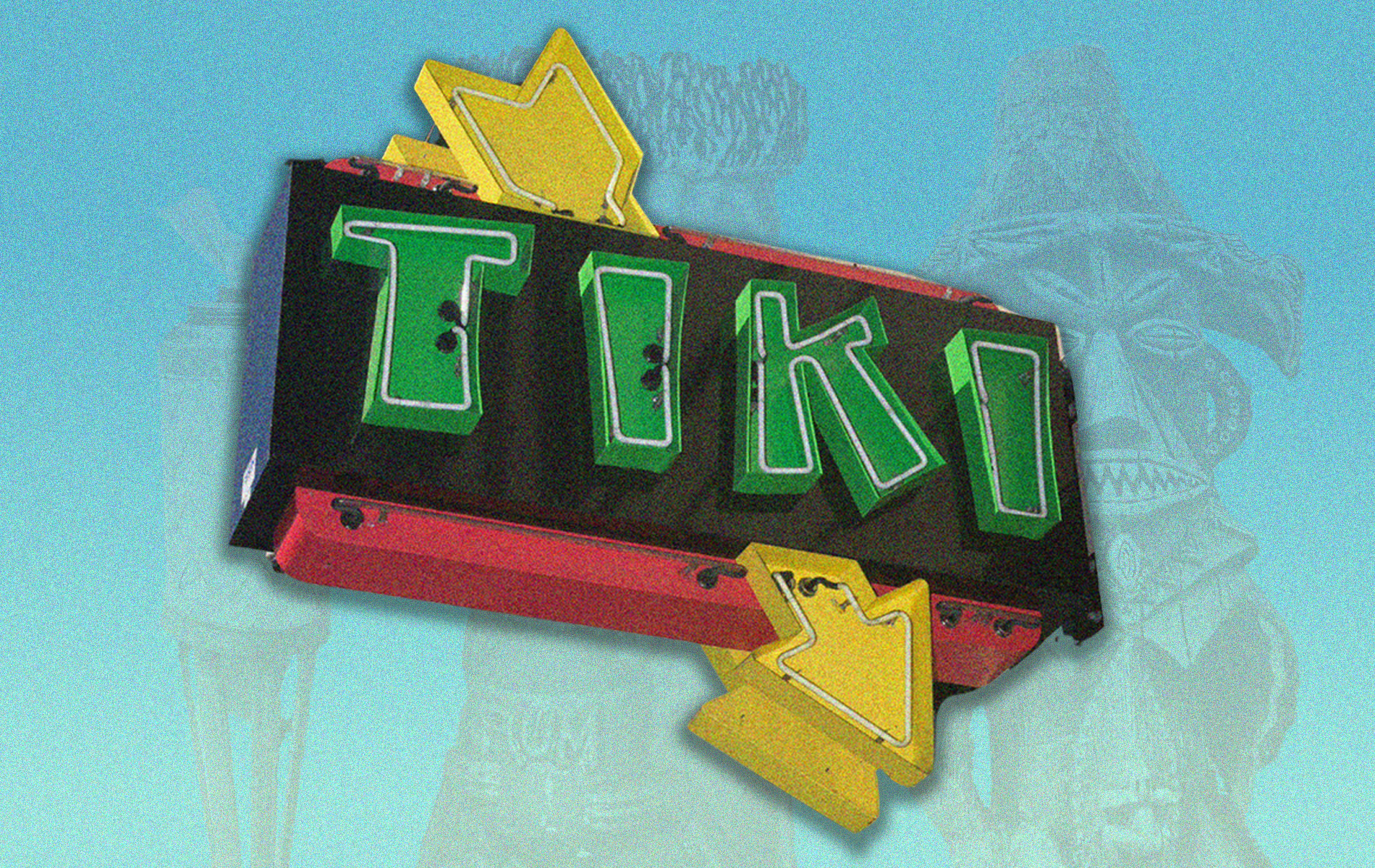
Besides a small placard on the door, there’s no outside signage to let the unsuspecting passerby know that behind the black-tinted windows lies an entirely different world, a place where a Polynesian aesthetic meets a Caribbean spirit and, shaken with ice, pours out as something weird and nostalgic and vibrant and escapist and entirely American. This is Smuggler’s Cove, a modern mecca for the tiki enthusiast and rum aficionado. When the door opens a minute after 5 p.m., I step through into a narrow foyer, a liminal space where the sunlight behind me slips in and momentarily peeks through the curtain in front of me into the bar proper. Past this curtain, there is far less light—just dozens of accent lamps and lanterns—and my eyes need more than a moment to feast on the nautical decor. Wooden beams, rope nets and pulleys, barrels, a ship’s figurehead, and light fixtures shaped like pufferfish hang from the ceiling and walls in carefully curated chaos. In the corner above a staircase heading to the basement is a gigantic replica of a ship’s anchor suspended over a stone waterfall. The ceiling is covered in tapa, traditional cloth from the Pacific islands. “It’s that transformative element,” Martin Cate, the owner of Smuggler’s Cove, told me a couple of hours earlier. “It’s that journey. You’re crossing a threshold.” For the past 18 months, I’ve crossed a threshold myself into the world of tiki. I’ve gone from having the rare tropical drink on vacation and understanding tiki culture largely through Disney to buying formerly obscure cocktail ingredients like falernum and orgeat and searching online for inspiration to build my own at-home tiki bar.

The few people who have survived a leap off the Golden Gate Bridge report they regretted their suicide attempt in the first moments of their fall. A person who turns to pills might have their stomach pumped, but someone tempted by a train or a bridge can survive only by luck. But for the person who receives medical aid in dying, the medical professional they might otherwise appeal to for help is the agent of their death. What kind of resistance can be fruitfully offered to a regime that endorses its citizens’ suicides? In London, anti-suicide advocates papered the pro-suicide Tube ads with the number for the extant suicide hotline—the one that helps you out of the hole. In Canada, advocates for the vulnerable have put up signs specifically promising, “This organization WILL NOT recommend, suggest or refer you to Medical Assistance in Dying (MAiD) as an alternative to assisting in obtaining the necessary supports and services you require. You are safe here.” Without that promise, it can be hard to know which suicide line your doctor or social worker will suggest. A Canadian Paralympian who contacted Veterans Affairs for help getting a wheelchair ramp for her house received an unsolicited offer to be given MAiD instead. In seminars for MAiD assessors in Canada, they receive training on how to be emotionally prepared to greenlight requests to die from Canadians with non-terminal conditions for whom “poverty [is] the driver of her MAID request.” It’s a grim idea of what the healing profession is for.
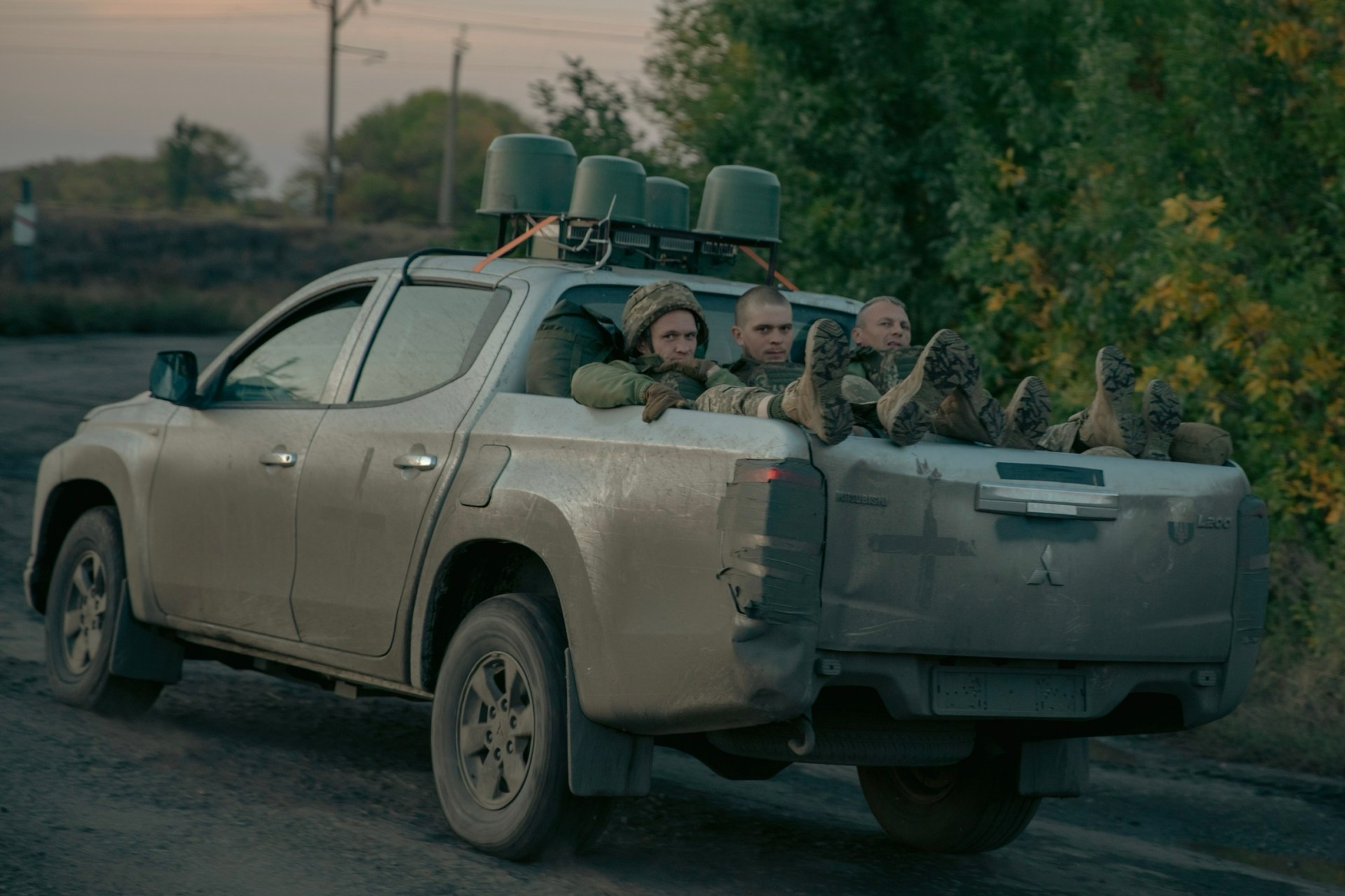
Tonight’s mission falls to Aladdin, the unit’s driver, who is making another supply run toward the forward positions just 3.5 miles from the Russian lines. I’ll be joining him. His quartz-like eyes, sunk deep in their sockets, flicker between zeal and madness. He has the most dangerous job in the unit. He knows it. Everyone knows it. He laughs. Tonight, he has to run a round trip to one of the unit’s drone positions—a small hideout manned by just two operators from the unit’s 10-man team. Working in near-total darkness, the pair spend their time assembling and preparing a heavy night-bomber drone known as the Vampire, a slow, hulking craft built to strike Russian positions after dusk. Aladdin is waiting for two things before he can reach them: the cover of night and the battered vehicle he will drive down the shell-scarred road.Aladdin is from Vinnytsia. His commander, Lev, 45, round-faced and quick to smile, claps him on the shoulder and turns to me, reassuringly. “He’s the best driver in the unit. With him, you feel like you’re flying on a magic carpet.” Aladdin, in his early 20s, smiles. “Come on, he’s exaggerating.” For now, he is still waiting for his vehicle. The Ukrainian army is short of everything—shells, jets, drones. Cars have become scarce, too, with life spans measured in months or even days. The few that survive are Mad Max machines, kept running by welding and prayer.
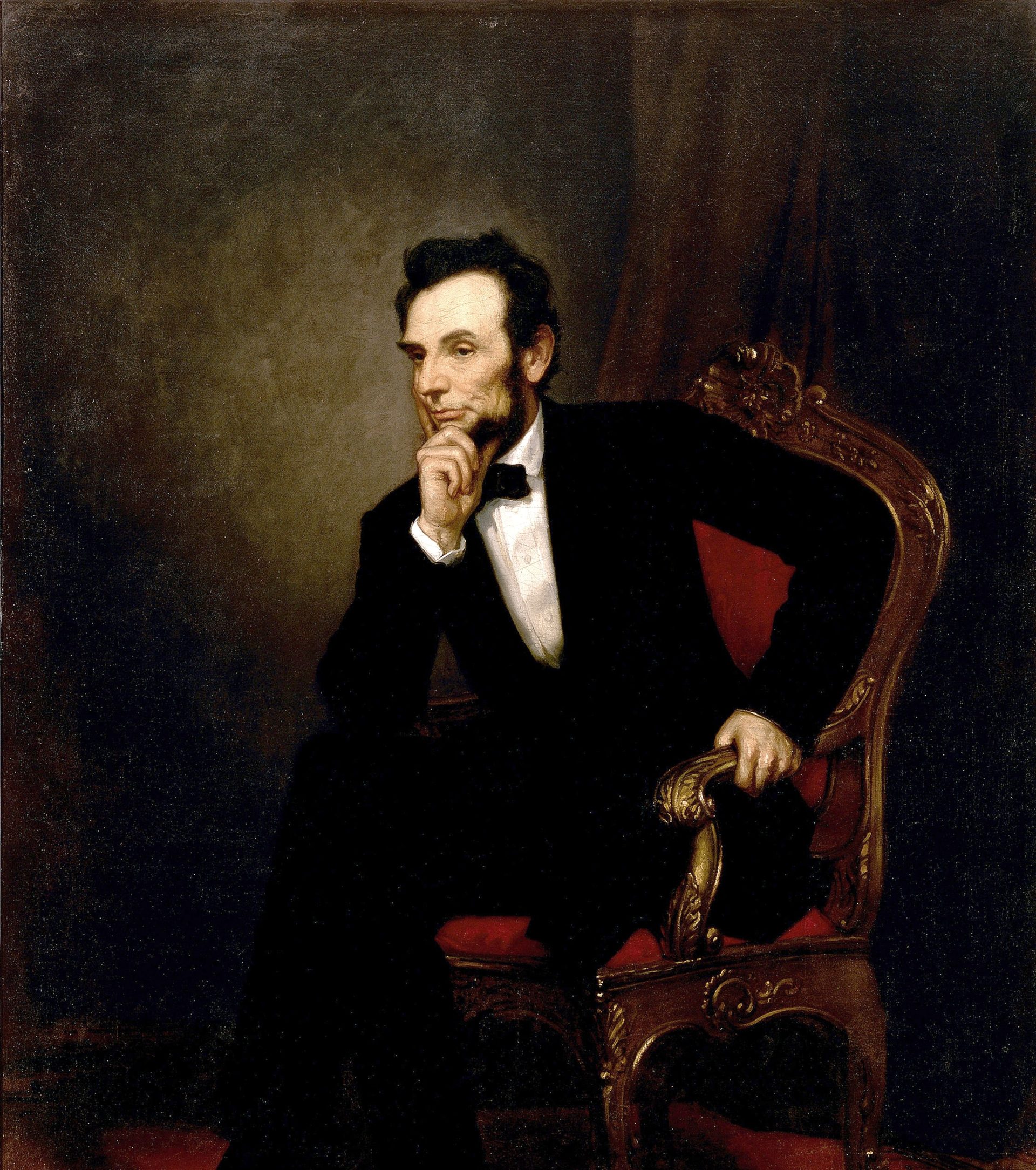
The rule of law in America is weakened. Private citizens have decided that their fellow Americans do not deserve the benefits of the justice system, or alternatively, that the justice system is inadequate. As a result, those private citizens have taken it upon themselves to exercise their own notions of justice; they have made themselves judge, jury, and executioner all at once. The year is 1838. In January of this year, Abraham Lincoln, still a young country lawyer, delivered a speech at the Springfield Lyceum in Illinois, a crowd likely made up of young locals. In it, his mastery of the English language was already on display, and so were some of the themes that would characterize his public life. Lincoln began with a note of gratitude. Here we sit “in the peaceful possession of the fairest portion of the earth.” We find ourselves in a land of good order, beauty, and plenty, and, what is more, “We find ourselves under the government of a system of political institutions, conducing more essentially to the ends of civil and religious liberty, than any of which the history of former times tells us.” And yet, there was danger around the corner, and it came not from some foreign power, but from within: “As a nation of freemen, we must live through all time, or die by suicide.”
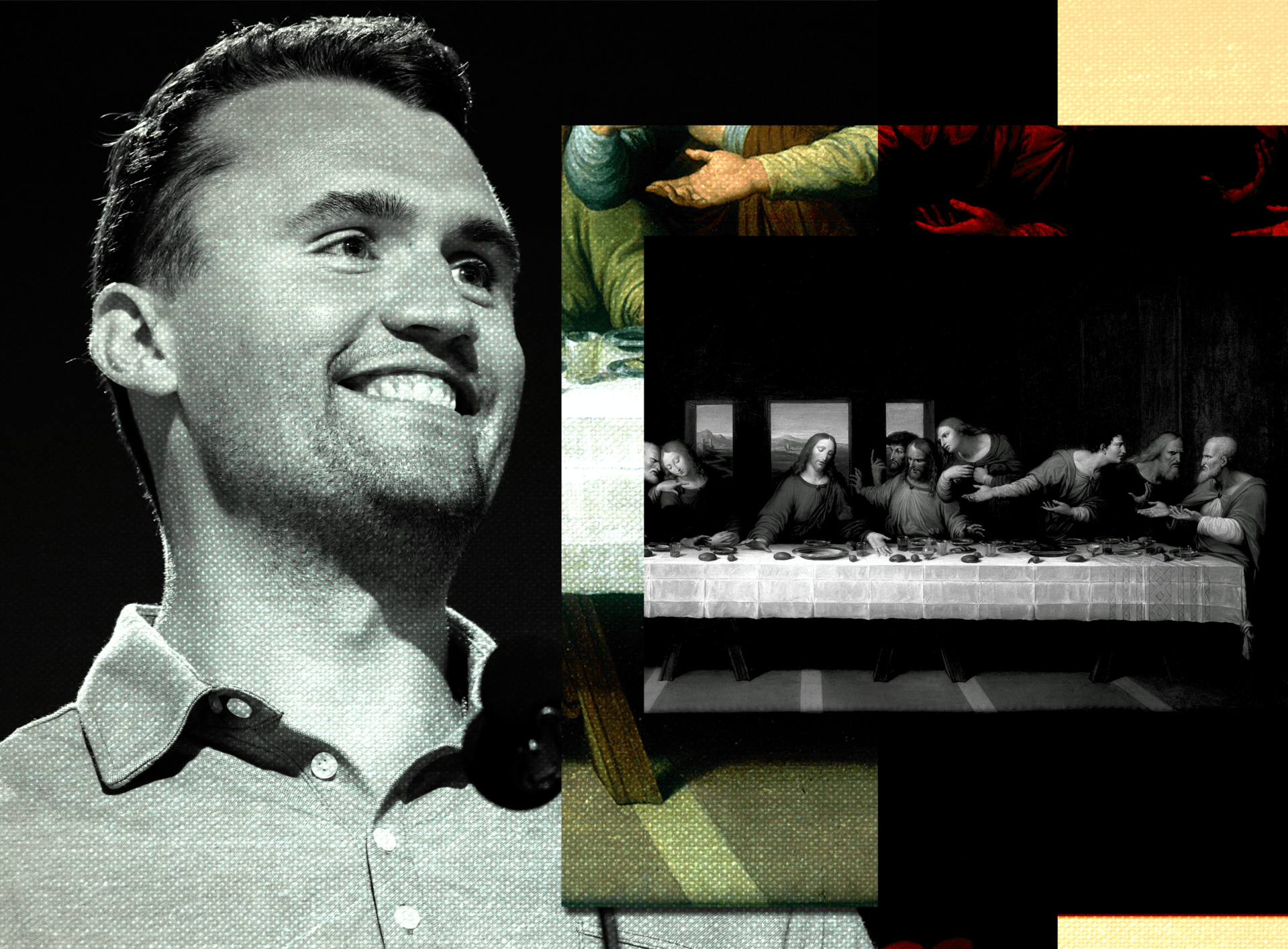
Kirk’s public, graphic, disturbing assassination is evil on its face. It’s also sweeping in its magnitude. It reopens wounds that now are deeper and wider in the American body, and it reveals anew how deep the divides are between us. And not just chasms between those who think that publicly shooting a man in cold bold is justified and those who know it is evil. Look at what we spew at each other on social media (pick a platform, pick a post—there are many). Some on the left cheered Kirk’s murder online or even in person at vigils. Some political leaders on the right are now pledging to use the power of the state to come after the “they” whom they deem responsible for this week’s hate and violence. But Kirk’s death also evinces much more personal divides. Kirk was a Christian figure, but he was also a political figure, and his influence peaked at a time when many of us are questioning the degree to which our politics and our faith are unhealthily fused together. In addition to grieving a man’s murder, I’m also grieving the distance between myself and fellow believers—with whom I share my Protestant, evangelical faith. They are people with whom I agree theologically, but, to borrow the words of a friend, they are people who will dismiss whatever I might want to say about Kirk (or anything else) because I work for a publication committed to classical liberalism and traditional conservatism. Because we believe the populism that’s overtaken most of the right in the last decade leads to bad places (and in many cases, I’d argue, is unbiblical). But I have been guilty of the same with brothers and sisters in the faith—dismissing them as unserious or given over to political fervor instead of listening, instead of taking up the spirit of face-to-face interaction that Kirk embodied, literally, unto his death. Thus it seems impossible for us to talk to each other. Instead we talk to our own camps, and at or about fellow believers from any other camp.

That distinct smell of burning rubber is the first thing you notice when approaching the venue at Roadkill Nights. Woodward Avenue has been closed down for a day of legal drag-racing, and hot rods are doing burnouts for improved traction just before they make their trial runs. Those who drove in but aren’t competing have their cars lined up on the street outside. I’m greeted by an array of Challengers—purple, neon green, orange, metallic blue. But the whole scene looks more like a county fair for car enthusiasts than a shot out of Fast & Furious. There are families and food trucks, but instead of the Tilt-a-Whirl and Loop-o-Plane, event-goers wait in long lines for hired drivers to take them on drift rides—in which the driver takes such sharp turns that the car’s rear tires screech and slide sideways. For little kids, some barely old enough to walk, there are Power Wheels-style muscle cars nearby to drive. A full-size monster truck does donuts in a parking lot for entertainment, but the main show for the thousands of attendees is the drag racing. The first person I talk to on the bleachers overlooking the races that day is Mike Sherrow of Suffolk, Virginia, who has attended the event 10 years in a row. Like many of the enthusiasts I spoke to, Sherrow’s love of muscle cars was inherited from his father. “Lego started it for me, and then building my dad’s ‘65 Chevy truck,” Sherrow told me. “It was like the family hot rod.”

I have come to think of the tendency of both left and right to flip-flop on free speech depending on whether or not they feel that they have the upper hand in the nation’s culture war as the power theory of free speech. This theory predicts that the left, no longer in control of any branch of the federal government, and seemingly on the back foot in the culture as a whole, will quickly rediscover the importance of the First Amendment. And it also predicts that Donald Trump and his allies, who have for a long time presented themselves as principled defenders of free speech, will in light of their newly acquired powers quickly find reasons why those protections shouldn’t hold when it comes to their political opponents. If this theory is correct, there is a seemingly obvious conclusion to be drawn. If so few people are committed to free speech on principle, with most only defending free expression until they grow sufficiently powerful to trash it, then it is tempting to dismiss all fretting about the First Amendment as empty ideological cant. Talking up the importance of free speech, according to this story, is just a smart way for cynics to pull the wool over the eyes of those naïve idiots who still believe that anybody actually cherishes the concept. But this is not the inference we draw in other political contexts where left and right often switch sides depending on the partisan interests of the moment.