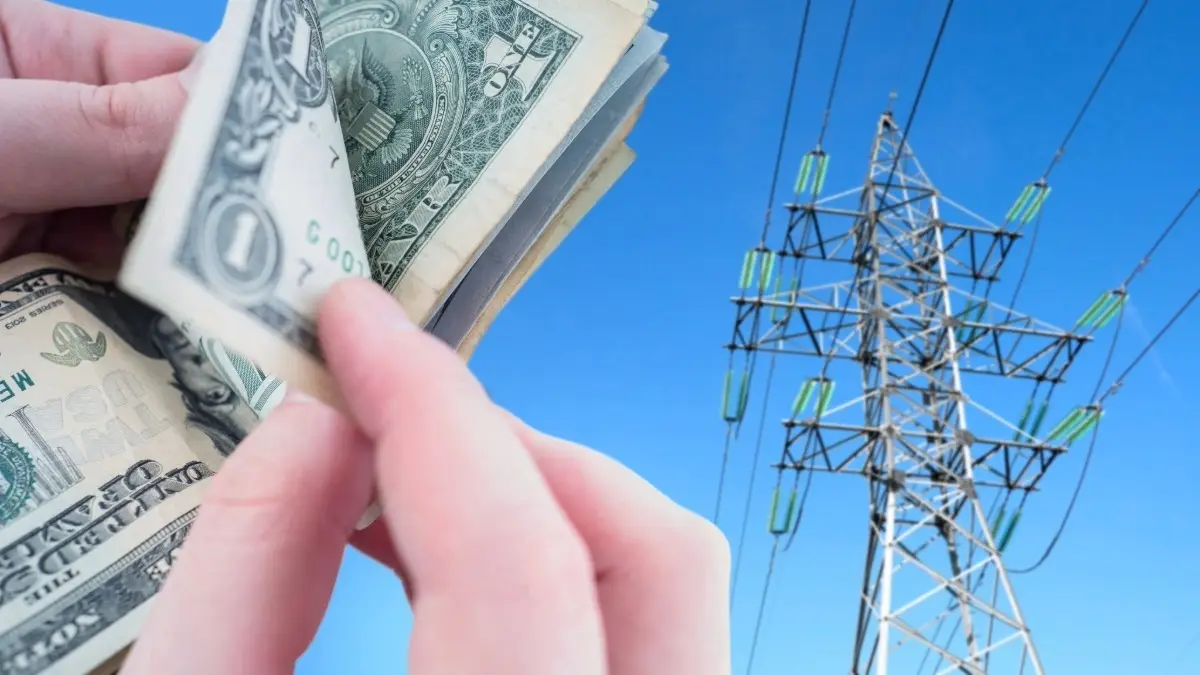
The data center boom, spurred on by the rise of services and technologies related to artificial intelligence, is anticipated to significantly raise the cost of electricity for many Americans.
Global electricity consumption by data centers is expected to increase by 15% per year, four times the rate of consumption by all other sectors, according to an April report by the International Energy Agency, an intergovernmental organization based in Paris.
China and the United States account for roughly 80% of that global increase. “AI will be the most significant driver of this increase, with electricity demand from AI-optimized data centers projected to more than quadruple by 2030,” the report states.
American consumers are already feeling the strain on their household finances as data centers consume an increasing portion of the available power wherever they sprout up. This extra demand encourages utilities to raise prices for all customers.
Energy providers may also need to invest in new generation infrastructure to meet the additional power needs, adding to the costs for consumers.
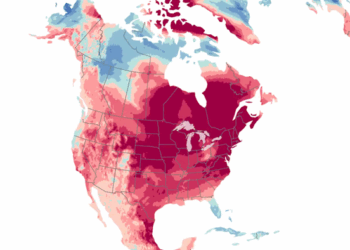
In the 12 months leading up to August, the average price of electricity for urban consumers in the U.S. rose by more than 6%, according to the Bureau of Labor Statistics, far higher than the historical average increase of a little more than 2% annually.
Americans’ electrical costs are expected to rise by as much as 18% on average in the next five years, according to the U.S. Energy Information Administration, outpacing the cost of all other forms of consumer energy.
Some companies are positioning themselves to sell modular nuclear reactors as a possible solution. Oklo designs, builds, and operates small modular reactors for data centers.
Brian Gitt, a senior vice president for Oklo, said that SMRs are the only feasible way to generate enough power to satiate the massive energy consumption demands of AI-related data centers. “Most of the utilities are out of power around the country,” Gitt said. “So it’s a huge wake-up call for the [energy] industry to say the whole practice of just looking out for a couple of years … is not going to work.”
To illustrate how quickly energy demands could increase, Gitt pointed to the proposed development of an 11-gigawatt data center in Texas. “New York City at total peak load is less than 11 gigawatts,” Gitt said. “And this is one data center campus.”
The Texas data center is behind-the-meter, meaning it will not run its energy through the grid.
The nuclear facilities required to effectively power such facilities take years to permit and build, to say nothing of their up-front costs.
Gitt said that traditional nuclear power plants can cost as much as $10 billion up front, take as long as a decade to construct, and require hundreds of acres of land and access to enormous water resources for cooling.
Oklo’s key offering is a 75-megawatt SMR that requires about three acres and minimal water and can be built in about three years, if permitting goes according to plan.
Tech companies can use the SMRs to generate power for their campuses in a modular fashion, adding small reactors as the facilities expand, instead of investing in a giant facility.
Oklo’s first SMR has been in development since 2019, but is not expected to be brought online until 2028.That means it will be years before data centers stop pulling power from the grid and, all the while, the costs for consumers will continue to rise.
Google agreed last year that it would begin curbing electricity usage to free up grid space when requested by utilities in Tennessee. In exchange, however, the Tennessee Valley Authority will begin purchasing energy from Google’s Hermes 2 reactor when it comes online in 2030.
The Trump administration is accelerating nuclear development to support AI development. President Trump has signed several executive orders aimed at quadrupling the nation’s nuclear energy capacity by 2050, including licensing 10 new reactors by 2030.
Until those facilities are available, however, electricity prices are expected to continue to rise for millions of Americans.