When it comes to elections, I’m always looking for the canary in the coal mine. What are the clues in the big votes in Congress, the special elections, or the major events that give us a preview into November? This week’s state Supreme Court election in Wisconsin could be that canary.
Chris Taylor, the Democrat-endorsed candidate in the officially nonpartisan race for a seat occupied by a retiring conservative, won her race on Tuesday against the Republican-endorsed Maria Lazar by more than 20 points. That’s the widest margin of any state Supreme Court race in the Badger State in a generation. Not only did Taylor win big, but she won all but one congressional district, including five districts Donald Trump carried in 2024 that are currently held by Republicans in the House of Representatives.
Let’s employ all the caveats here: It was not a regular November election. The conservative incumbent declined to run for reelection relatively late in the process. There was little money or media attention on this race, likely because the ideological majority on the court did not hinge on the outcome.
But for Republicans in House seats hoping to stave off the generally anti-Trump sentiment in the electorate, what happened in Wisconsin serves as a potentially big warning sign. Democratic voters are motivated, Republican voters are not, and swing voters are put out with the ruling party in Washington.
We often can’t identify what the true harbinger was until after the fact, and the number of data points can be overwhelming. Politics never follows a straight line, but as we sit here less than seven months from Election Day, the climate is starting to settle and give us some idea of how the midterms are shaping up. And for Republicans the outlook is, in a word, bad.
Top Stories From the Dispatch Politics Team
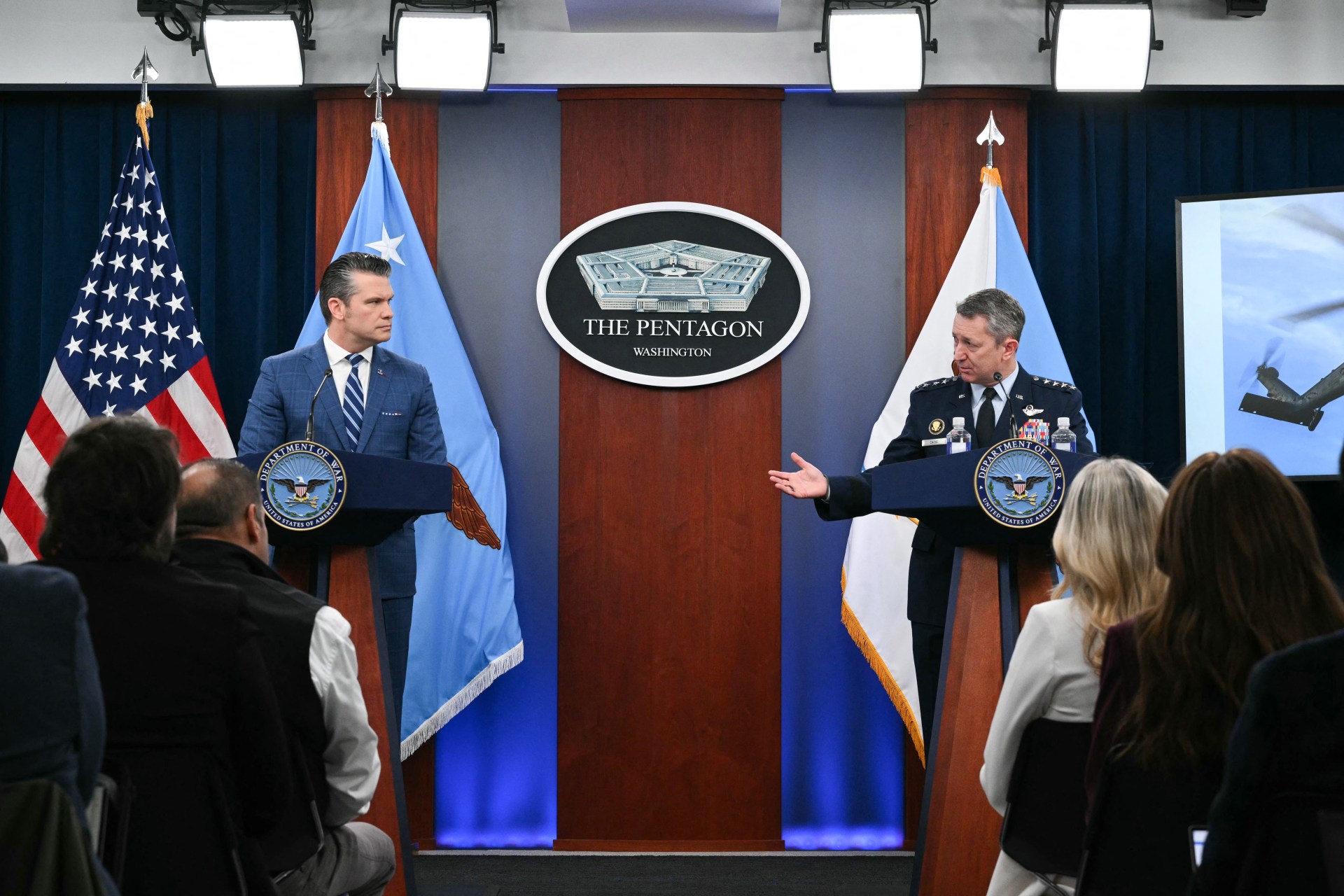
Secretary of Defense Pete Hegseth’s victory dance came roughly 12 hours after the announcement of a ceasefire agreement between the United States and Iran, and about the time the shakiness of that ceasefire was manifesting itself. Iran was still bombing some of America’s Gulf State allies. Israel was still firing missiles at Hezbollah targets in Lebanon as both sides argued about whether Lebanon had been included in the ceasefire arrangement. By the end of the day, top officials in the Trump administration were dismissing as a “wish list” a 10-point plan that the Iranian government was insisting made up the agreement. Meanwhile, Iran’s effective blockade of the Strait of Hormuz—a major sticking point and perhaps the main catalyst behind the Trump administration’s pursuit of a ceasefire—remains largely in place. For the moment, the war seems anything but done.
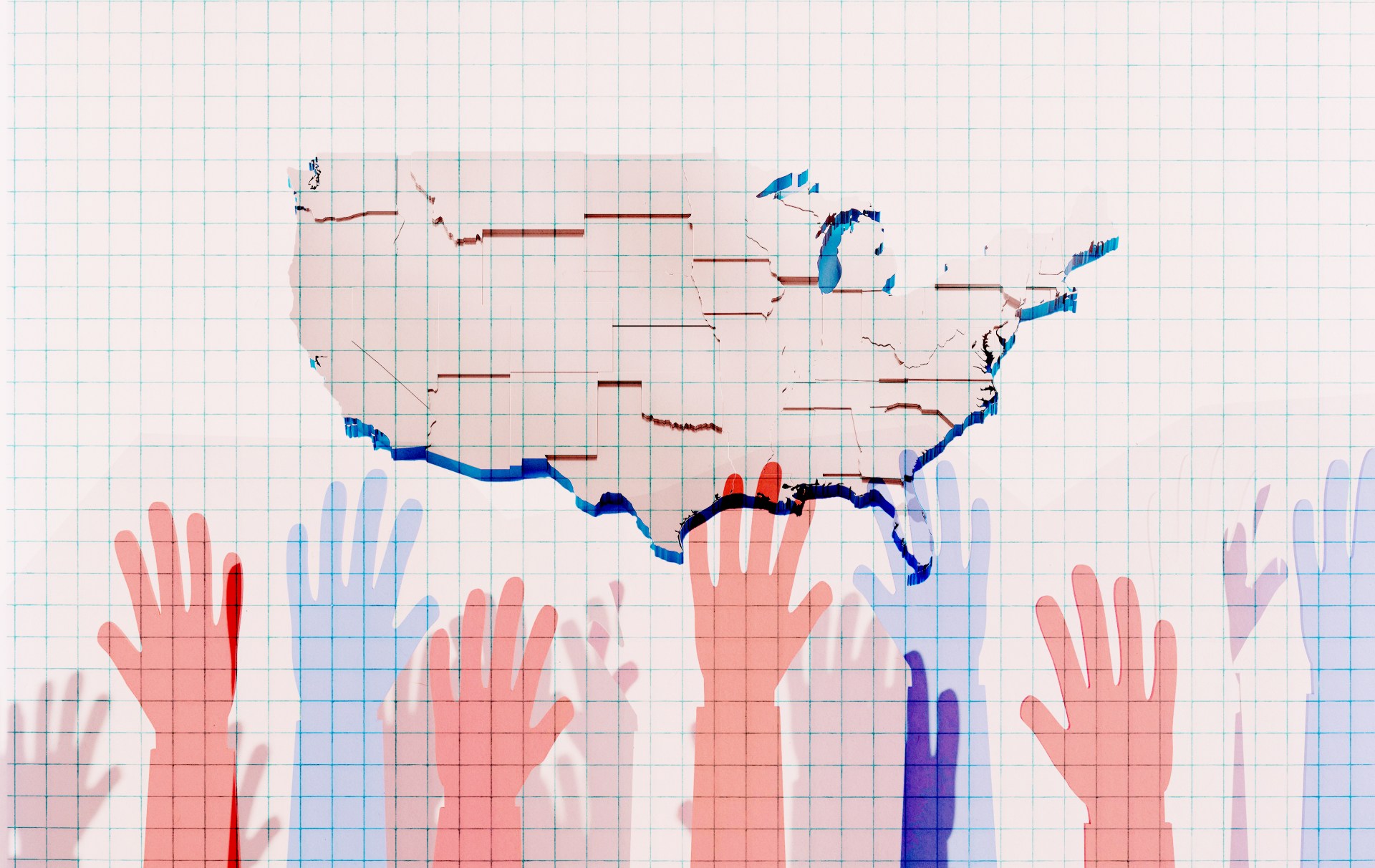
President Donald Trump recently signed an executive order exerting greater federal control over election administration, with an eye toward verifying voters’ citizenship status and ensuring that ballot materials are sent only to eligible voters. While these goals are laudable, the president is not empowered to enact this policy unilaterally, and a number of states have already filed suit to block the order. Yet even if it never takes effect, the order represents one more step toward centralized control over election administration, further weakening one of our election system’s greatest strengths.
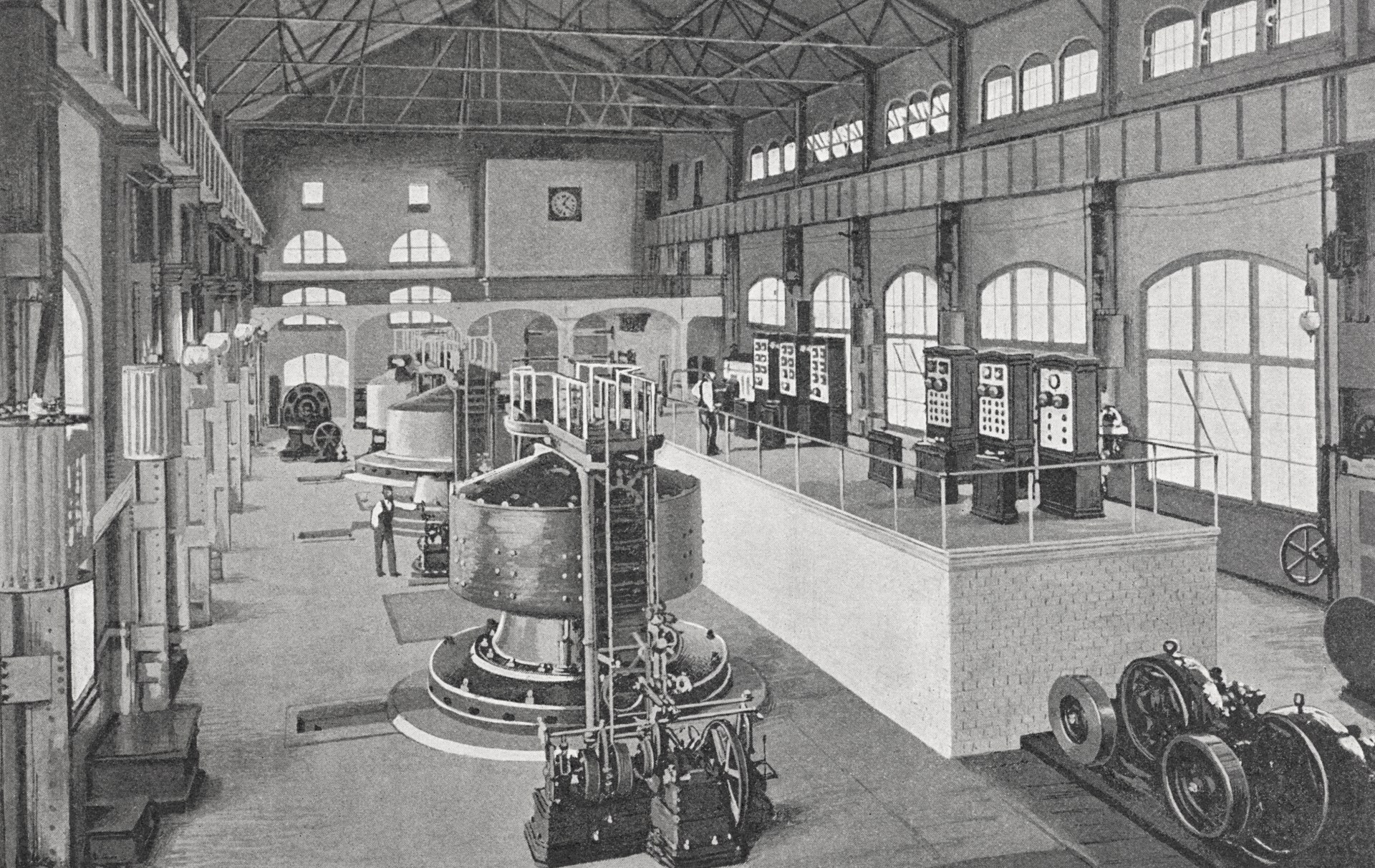
Why does electricity suddenly seem to matter so much again? In this week’s Dispatch Energy, Lynne Kiesling digs into two favorite topics: the technological and economic history of electricity, and the economic theory underlying how we regulate an industry that serves nearly 250 million Americans. The fundamental technologies and regulations have changed little over the past century, but the innovations of recent decades are upending that stable relationship. That said, the American electricity industry still runs through institutions built for a world of large, centralized, capital-intensive power systems, and the rush of data center-driven demand is revealing just how hard it is to govern a new electricity economy with an old regulatory operating system.

Let’s stipulate two things on which it should be easy to agree: The president of the United States should not have the authority to drag the country into a protracted war unilaterally, but he or she must have the power to respond quickly to military crises. That puts the president’s war powers in a legally ambiguous situation that shifts over time. The commander in chief needs a loose leash in the moment that gradually tightens over time. Unfortunately, the Constitution does not wrestle with this reality. In lieu of constitutional clarity, we have two things to guide us: past practice, and the 1973 War Powers Act. They are imperfect, but they are the best guides we have.
Enjoying our Dispatch Politics Roundup? Consider forwarding this article to someone you know who likes independent, fact-based journalism.