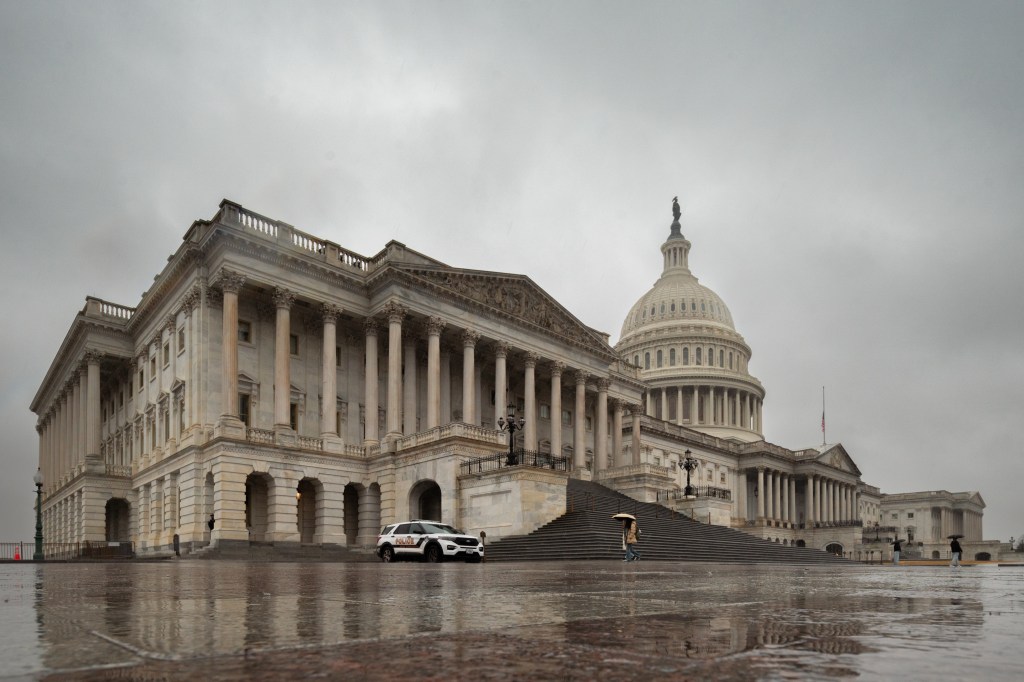
As senators walked into the Capitol on Tuesday for their first vote of the week, something was in the air.
Cold. Cold was in the air, especially after a massive snowstorm hit much of the United States over the weekend. Washington, D.C., is still dealing with the effects of snowmageddon and has struggled to get the snow cleared from roads and sidewalks, leaving your friendly neighborhood congressional reporter to trudge along in the tundra from his home to the Capitol.
It seems the senators are adapting to the cold. Many of the men in Congress’ upper chamber have been wearing sweaters and quarter-zips underneath their suit jackets. It’s far from an unprecedented style. Many men have worn it before. But the outfit is pretty rare among men of my generation, so I thought I’d give the look a try today … and, honestly, this is kind of hot. I don’t know how they do it.
In non-fashion-related news, the government might shut down. You can read about some of the dynamics in today’s Morning Dispatch. Supposedly, there’s been some progress since yesterday as Senate Democrats have negotiated with the White House, but the appropriations package just failed a test vote in the upper chamber, so we’ll see. In the meantime, my quarter-zip and I will put our blood, tears, and especially sweat into bringing you great stories from Congress.
Top Stories From the Dispatch Politics Team
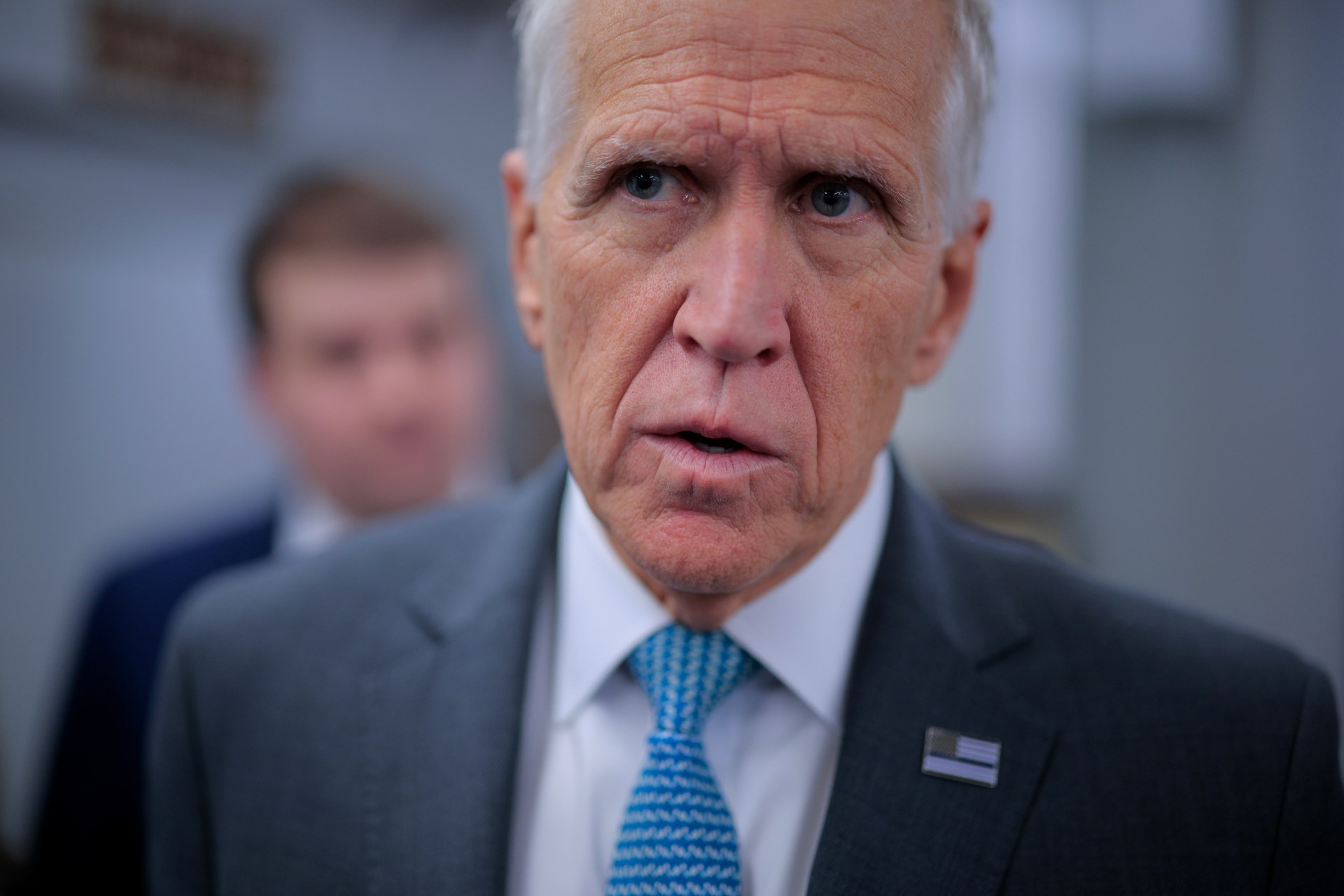
Sen. Thom Tillis was getting impatient. Despite repeated requests, Department of Homeland Security Secretary Kristi Noem had not yet appeared before the Senate Judiciary Committee on which Tillis sits, so he announced he would place holds on DHS nominees until she testified. Tillis characterized his stance as a response to Noem giving the committee the cold shoulder. Committee Chairman Sen. Chuck Grassley has asked Noem twice over the past year to appear before the panel. Since announcing in June that he would not seek reelection this year, Tillis has proven he is unafraid to use the Senate’s institutional mechanisms to try to get his way—and he’s demonstrating just how much one senator can influence the executive branch’s ability to pursue its agenda.
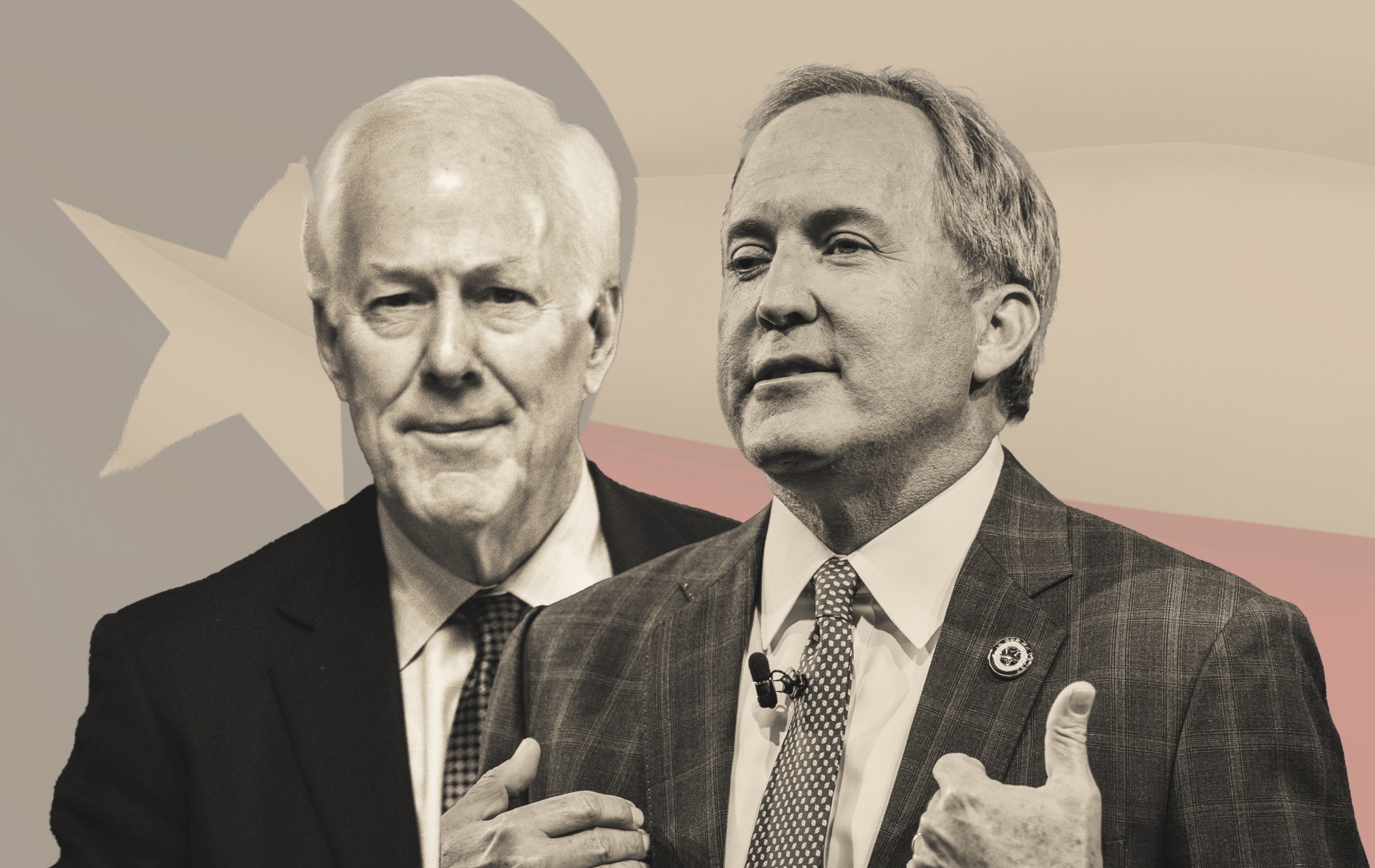
Texas Sen. John Cornyn is being challenged for renomination by Rep. Wesley Hunt and Texas Attorney General Ken Paxton, the first legitimate political test he’s faced as a Senate candidate in either the primary or general election since his inaugural 2002 bid. The senator is battling all of the worst perceptions a Republican candidate can be saddled with in a primary, in a reliably red state, in an era when GOP voters prefer combative populists unquestionably loyal to President Donald Trump. The knock on Cornyn is that he’s genteel instead of pugnacious, insufficiently focused on the right issues, and inadequately pro-Trump, despite evidence to the contrary. And so the senator’s campaign is not about shaping his image among committed Republican voters, but about the difficult task of changing minds.
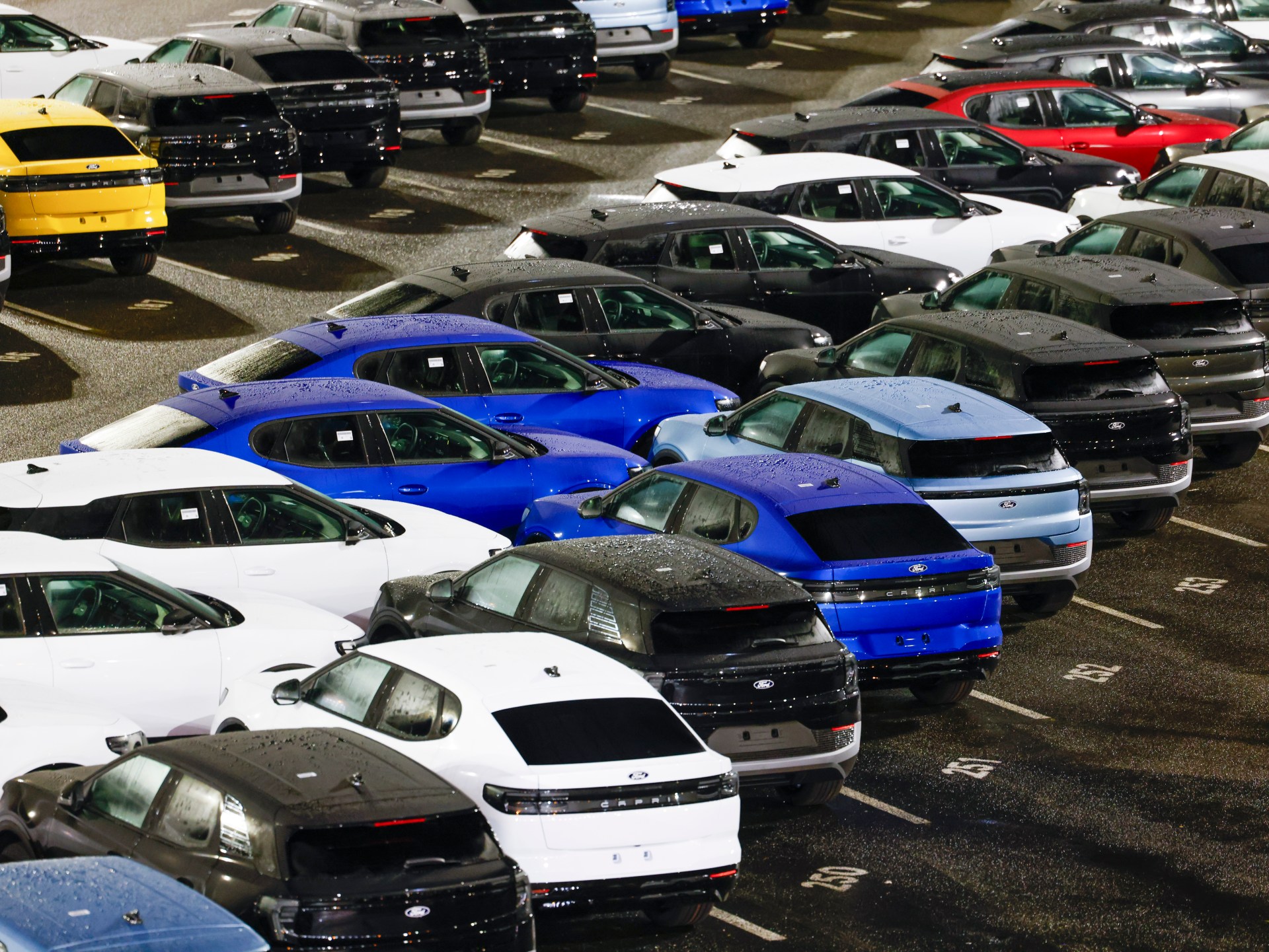
There has been a lot of energy news lately, and something that got less attention than the snatch-and-grab of Venezuelan dictator Nicolás Maduro was Ford’s multibillion-dollar pullback from electric vehicle (EV) investments, along with its decision to kill many EV models (including the flagship electric F-150). Unsurprisingly, there are many analysts who blame President Donald Trump, claiming that his decision to end EV tax credits is killing the market. Yet despite declining EV investment in the U.S., others insist there is a huge unmet demand for EVs in the country. Both arguments are overly simplistic, but there is a lesson for policymakers here: No amount of political preference for an outcome can overcome economic reality.
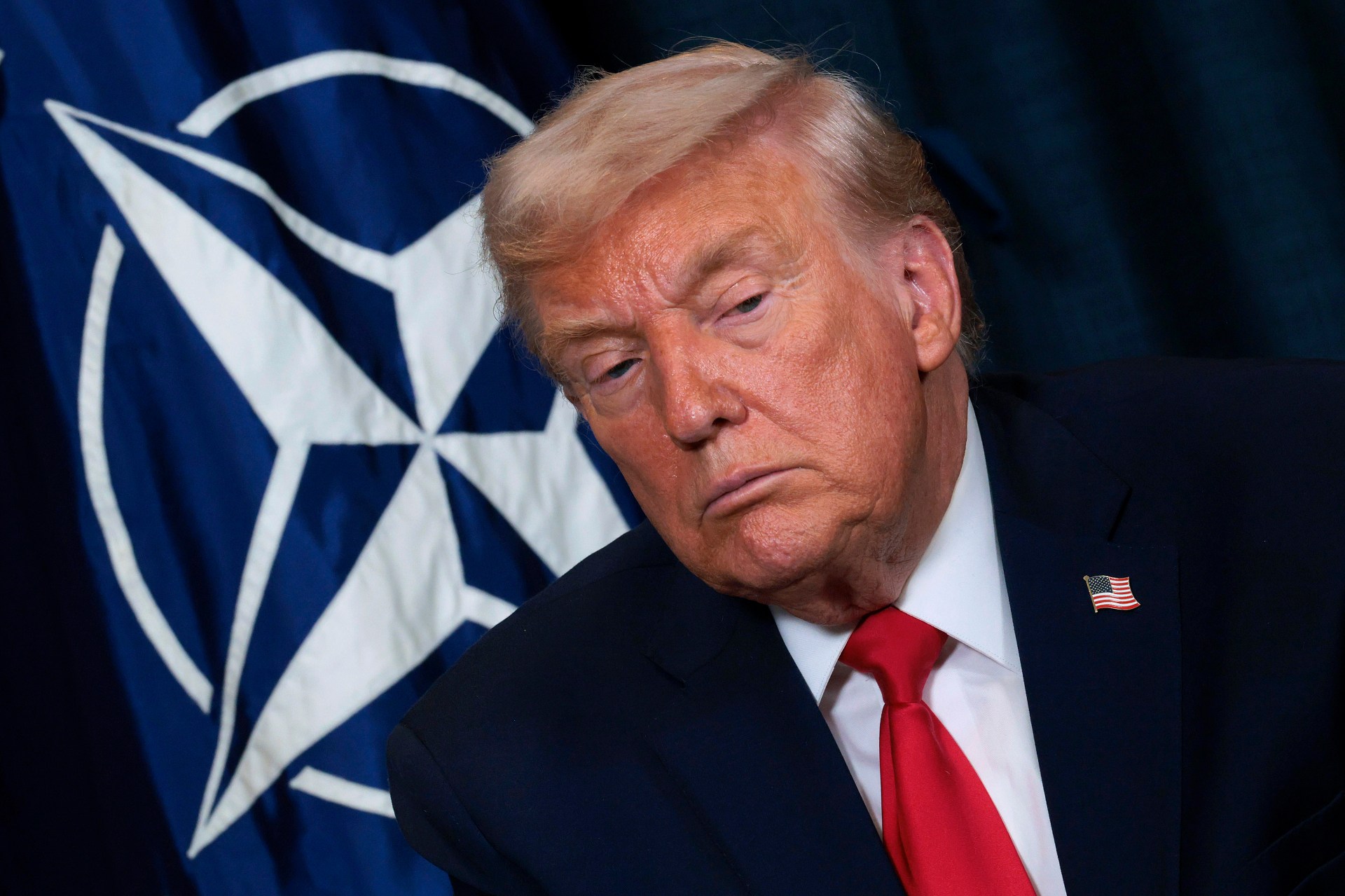
Donald Trump’s latest obsessive focus on acquiring Greenland appears to have, at the moment, reached some sort of conclusion. After a number of failed attempts over the last several days—including the hard sell, diplomacy, threats of economic warfare, threats of actual warfare, and straight-up demanding Greenland—the president has been unable to convince the Kingdom of Denmark to give up its Arctic island territory. Our NATO allies were understandably disturbed. Denmark sent more of its troops to Greenland. European leaders blasted the tariff threat for undermining ongoing trade negotiations between the U.S. and the European Union. There was much wailing and gnashing of teeth in Davos, where Trump and other world leaders were gathered for the World Economic Forum and the Greenland issue came to a head. And for all that anguish, Trump has appeared to walk away with little more than the status quo in Greenland.
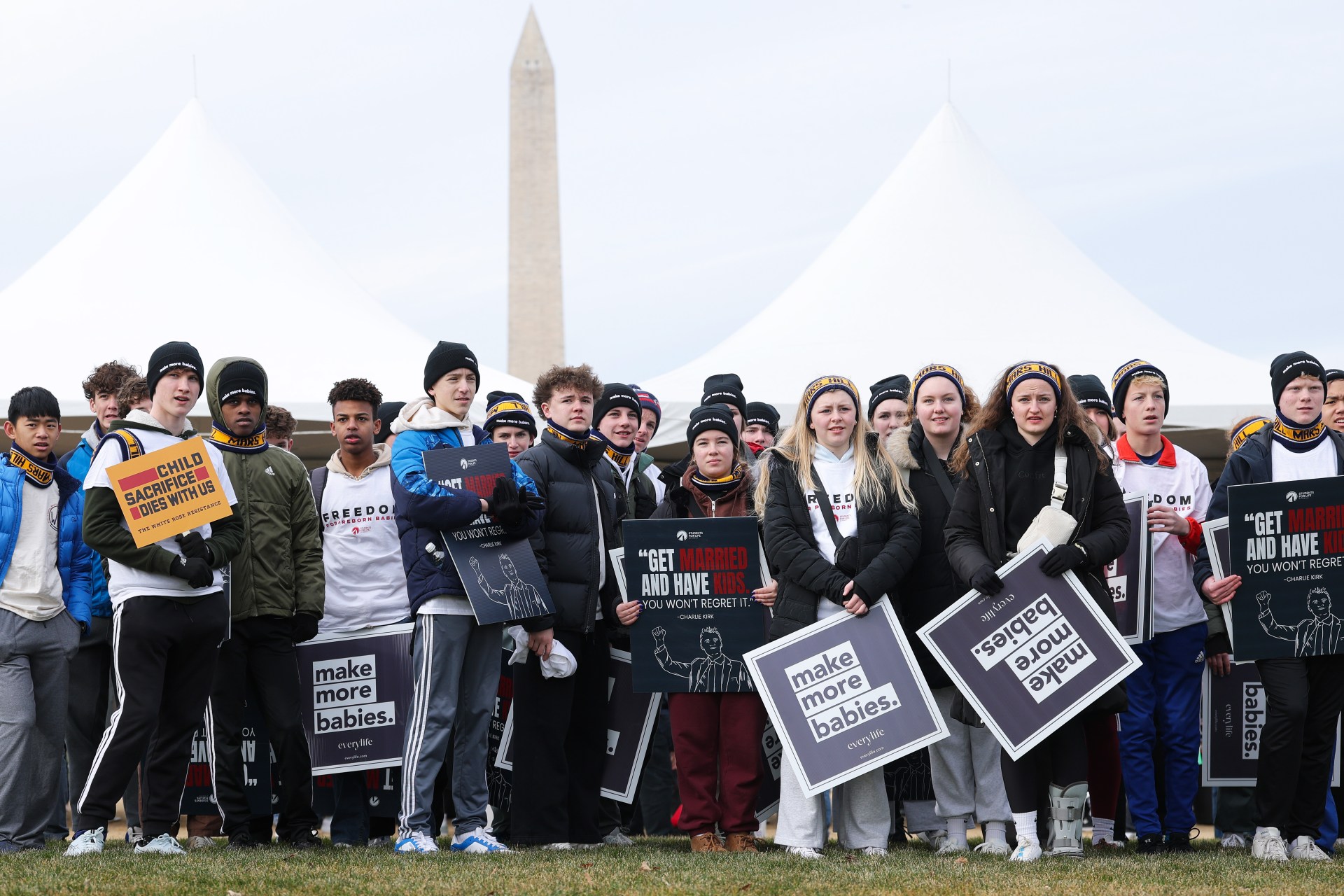
When Vice President J.D. Vance spoke Friday at the March for Life, the annual anti-abortion protest pegged to the anniversary of Roe v. Wade, he heralded the Trump-Vance administration’s record of “undoing the evils” of the Biden administration. “Where the previous administration mandated taxpayer funding for abortions, including travel costs across the entire government, this administration ended it!” Vance said. The crowd cheered. But not everyone in the crowd was pleased. “It feels like we’re being gaslit,” Terrisa Bukovinac, founder of the Progressive Anti-Abortion Uprising, told The Dispatch after Vance’s speech concluded. Bukanovic was referring to the dissonance between Vance touting measures to end taxpayer-funding of abortion and President Donald Trump’s comments just two weeks ago telling House Republicans to be a “little flexible” on the Hyde Amendment as they negotiate expanded subsidies for the Affordable Care Act.
Enjoying our Dispatch Politics Roundup? Consider forwarding this article to someone you know who likes independent, fact-based journalism.