The partial government shutdown is dragging on, with the Department of Homeland Security remaining the lone executive branch department without funding for a month. Both sides of the aisle are playing procedural games in this fight, and neither the Republicans nor Democrats seem to be acting in good faith. Check out my Morning Dispatch colleagues’ coverage of the negotiations, but it’s time to consider the political implications for a longer-term DHS shutdown.
The long security lines at some airports are likely to spread to other airports across the country as more Transportation Security Administration personnel working without pay decide to quit. We’re one large-scale natural disaster away from seeing the full impact of the furlough of most employees at the Federal Emergency Management Agency. And the recent terrorist attacks in Michigan and Virginia have heightened the sense that more violence could be coming at a time when the DHS is without a permanent leader and funding.
Both parties are to blame for the impasse, but unfortunately for it, the GOP is likely to take the brunt of the negative backlash: Republicans are in the majority in Congress and a part of Trump’s unpopular Washington. With the party already in deep trouble ahead of this fall’s midterm elections, voters are likely to just throw their dissatisfaction with the DHS shutdown on the pile of things they are increasingly tired of with the incumbents.
Top Stories From the Dispatch Politics Team
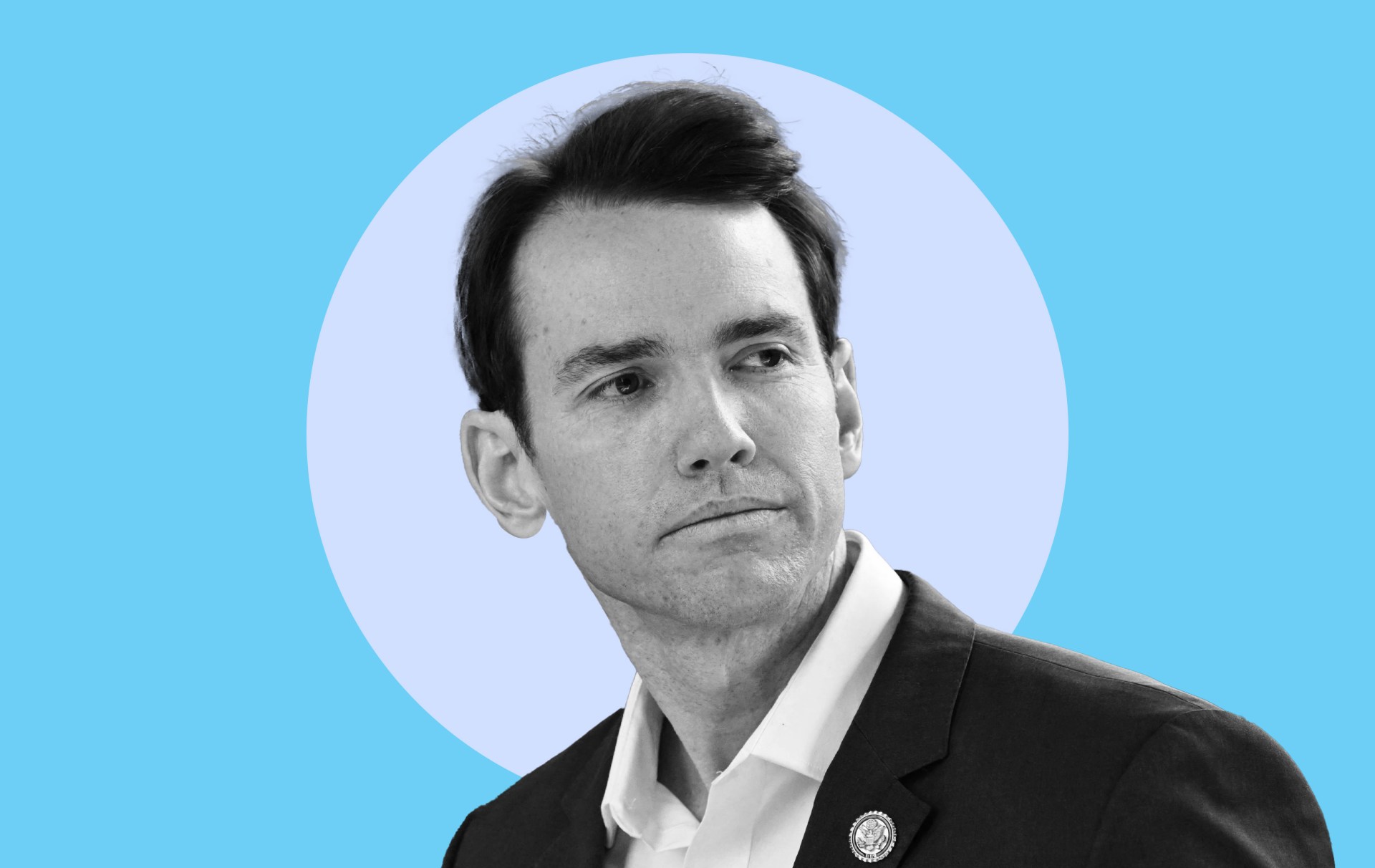
Which party would Rep. Kevin Kiley prefer to win the majority of the House of Representatives after this November’s midterm elections? The 41-year-old congressman running for a third term won’t say. This is usually an easy question for partisans to answer. But things aren’t so simple for Kiley anymore. This lifelong Republican announced March 9 that he has left the GOP and is now an independent. He’s running for reelection without the party label he’s held onto through his three terms in the California state assembly, his bid for governor in the unsuccessful 2021 election to recall Democratic Gov. Gavin Newsom, and in his first two elections to the House.
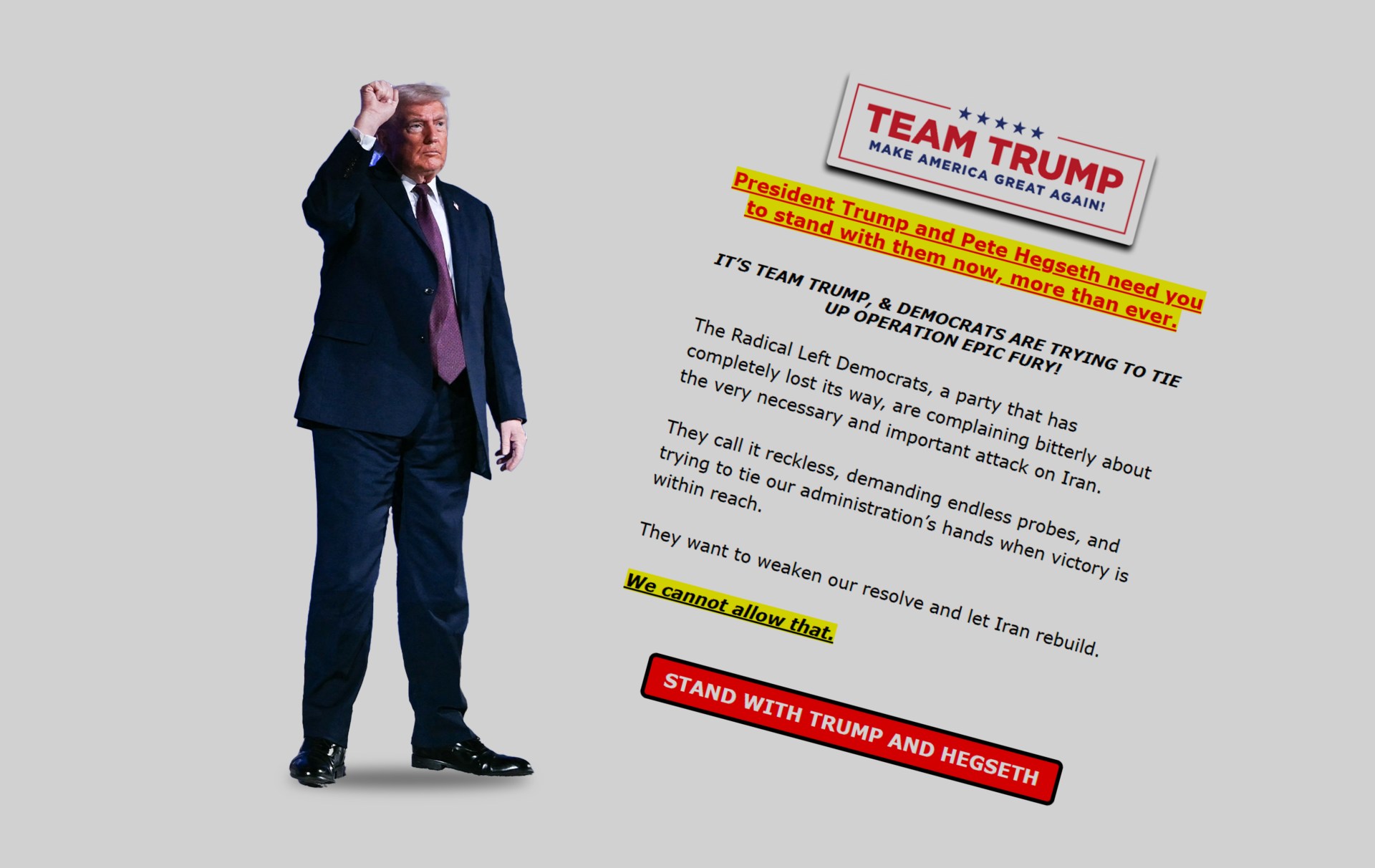
President Donald Trump is using the Iran war to stockpile campaign cash, issuing multiple email fundraising appeals during Week 1 of Operation Epic Fury that cast Democrats as weak on national security and directing donations to his political operation. Requests for contributions began hitting inboxes just a few days after the U.S. military initiated strikes on Iran on February 28. The digital fundraisers, designed to motivate grassroots supporters who make small-dollar donations, were presented as direct messages from Trump and crafted with the same plain-spoken and provocative language the president uses at campaign rallies and in social media posts. At press time, The Dispatch had reviewed more than a half-dozen such money asks sent by Team Trump.

The sudden and ongoing war in Iran threatens to roil global oil markets, raising the specter of an energy shock that recalls the oil crises of the 1970s. In that era, U.S. policymakers responded by radically restructuring American energy policy, creating the Department of Energy and making big investments in energy independence, innovation, and infrastructure. Congress should respond similarly today by pursuing bold policies that cut red tape, expand energy abundance, lower prices, and extend America’s technological frontier. But two shifts over the last five decades stand in the way. The first, ironically, is the success of the 1970s-era initiatives. The second is the deep partisan polarization that now defines energy politics in Washington.
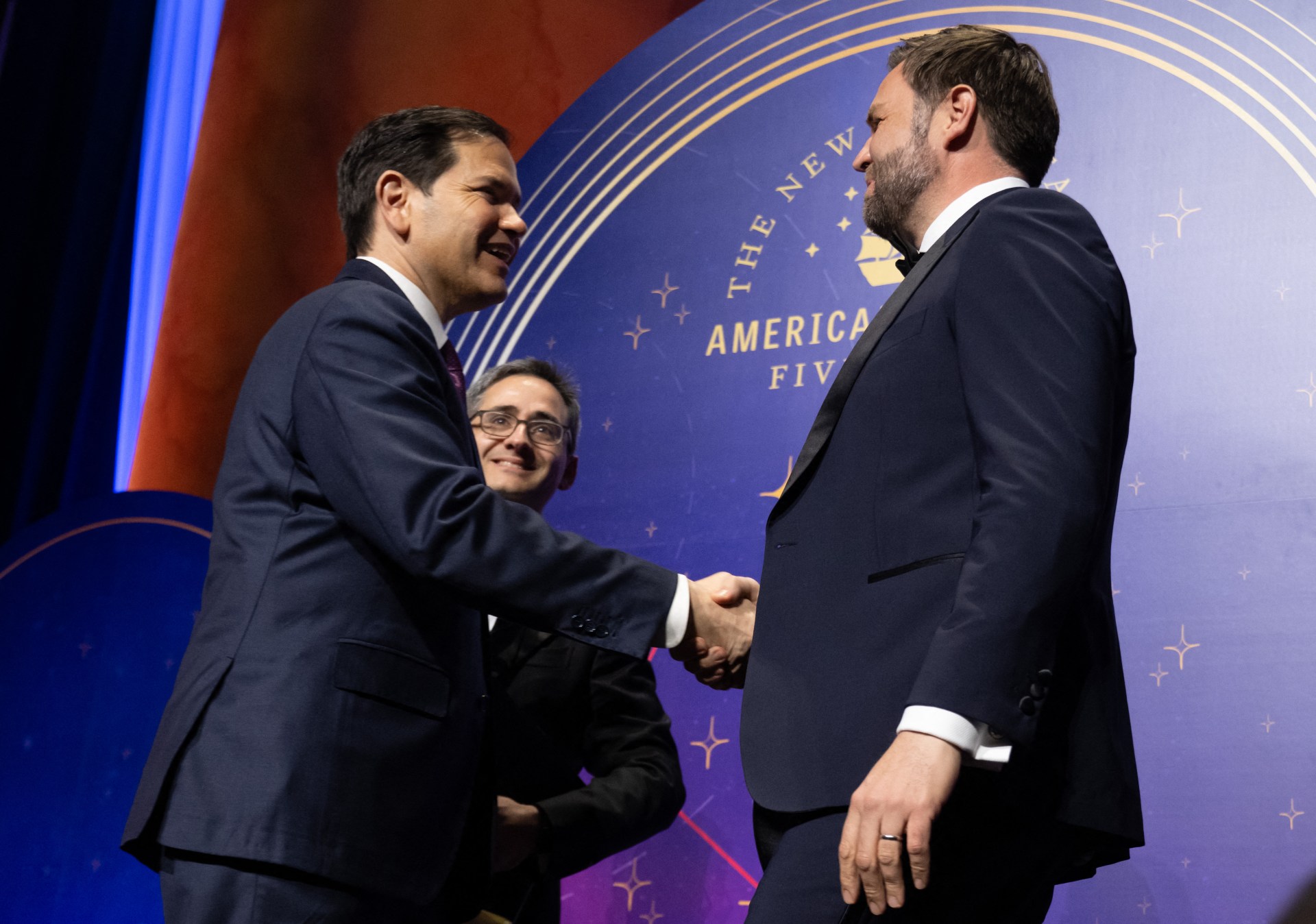
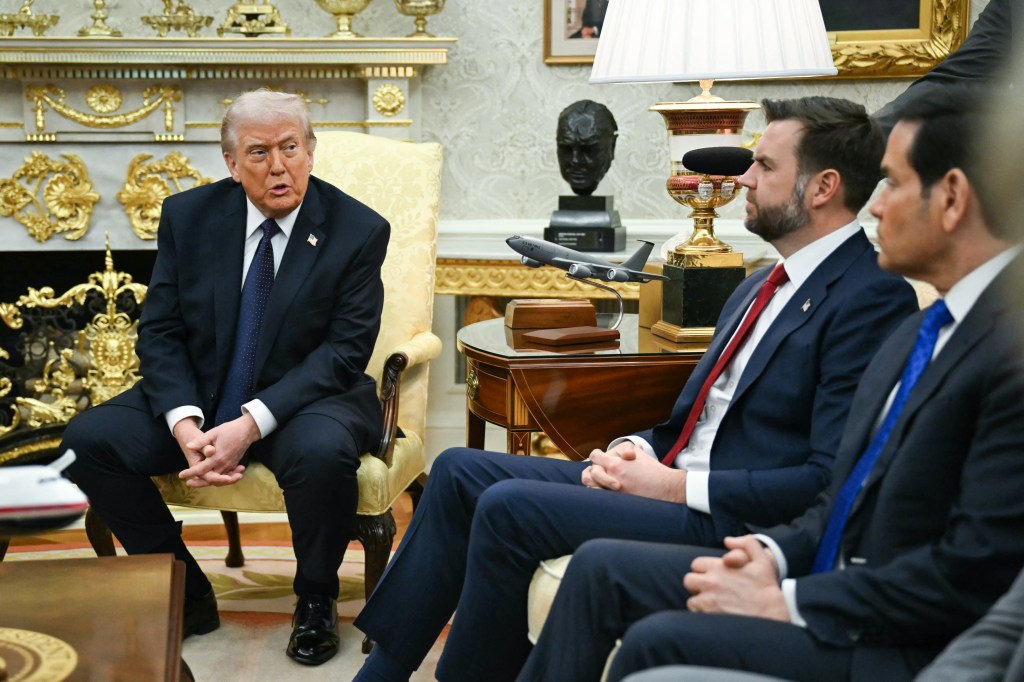
J.D. Vance and Marco Rubio are potential rivals for the Republican nomination in 2028 and among Trump’s closest advisers. Each has worked to reorient the GOP away from small-government conservatism and toward a more nationalist and populist economic agenda. The tie binding Vance and Rubio in that effort is American Compass, a relatively new think tank. Over the last decade, Oren Cass, the former Romney adviser and the man behind Compass, helped draw the intellectual roadmap that would ultimately lead both Vance and Rubio to the second Trump administration and that could very well form the policy foundation for the next Republican presidency.
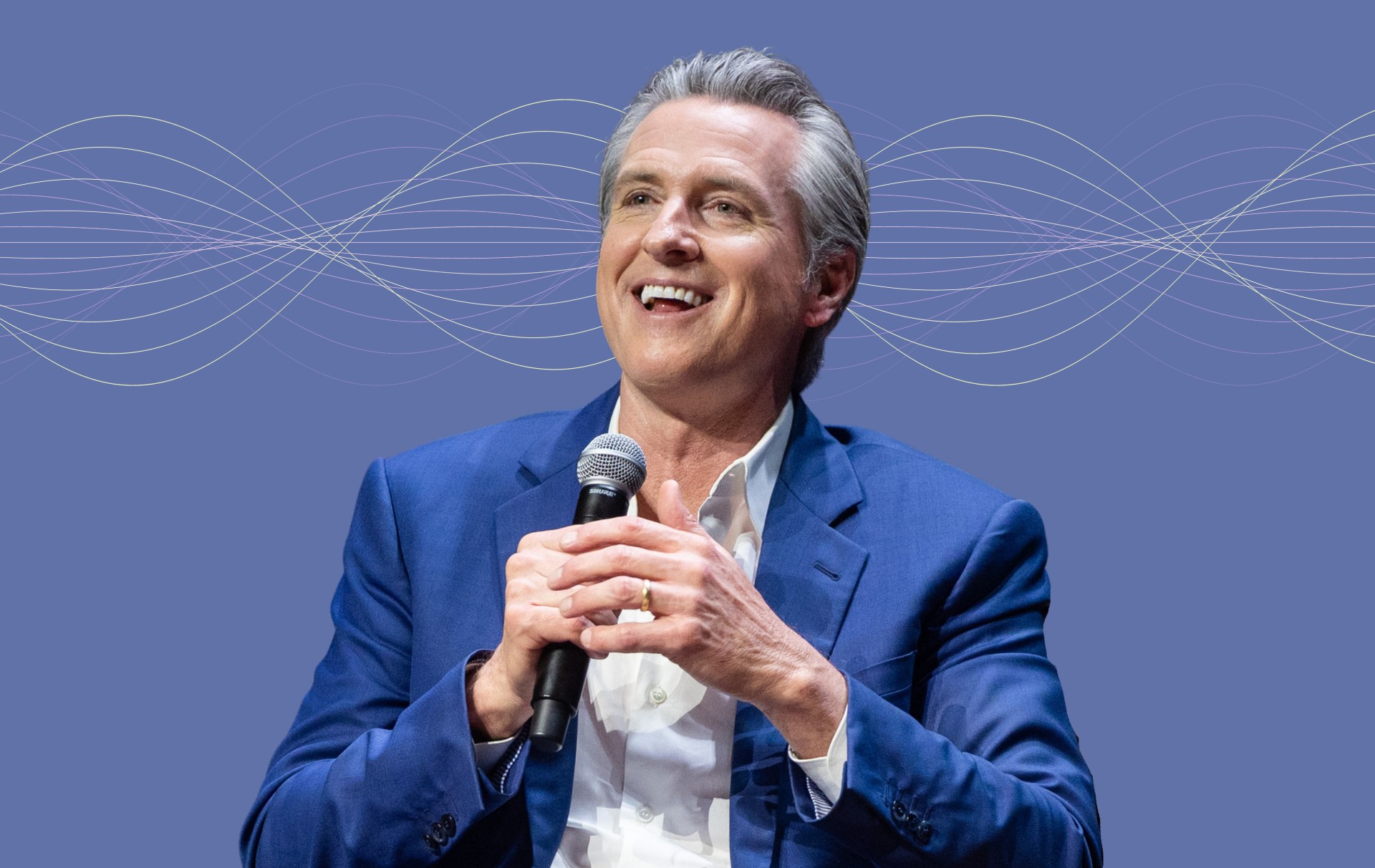
Gavin Newsom’s ability to game the attention economy isn’t the interesting part; plenty of politicians get attention. J.D. Vance, who many suspect will run for president in 2028, certainly embraces it—he’s online constantly, he engages in arguments with his critics, and when the Internet turns him into a meme, he doesn’t get embarrassed, he leans in. But being terminally online—even good at posting—is not the same thing as having charisma. What’s different about Newsom is that he has the famous, once-confined-to-Hollywood “it” factor, the thing you either have or you don’t, that makes people latch onto you as a cultural object before anyone asks them to. Kamala Harris tried to become this in the summer of 2024, but she couldn’t sustain it. The fact of the matter is that Harris was borrowing someone else’s coolness: She just doesn’t have “it.” Newsom, like Trump, does.
Enjoying our Dispatch Politics Roundup? Consider forwarding this article to someone you know who likes independent, fact-based journalism.