Back in October, I traveled to Chicago to report on the Trump administration’s aggressive campaign to enforce immigration law in the city. On the ground, Immigration and Customs Enforcement seemed to be creating a climate of fear and confusion—and plenty of viral videos of street-level and door-to-door immigration enforcement—while failing to actually do much to accomplish its stated goal of targeting criminal illegal aliens.
But would the viral videos out of Illinois—and later in Minnesota—actually have a political impact? A new poll conducted by Siena College for the New York Times suggests they have.
The new poll finds that Americans disapprove of Trump’s overall handling of immigration by 58 percent to 40 percent. That’s a 12-point net decrease for Trump since a Siena/Times poll was conducted in September.
At the same time, the new Siena/Times survey finds that a majority of Americans still support Trump’s handling of the U.S.-Mexico border—where illegal crossings have been largely shut down—by a margin of 50 percent to 46 percent. These nuanced polling results on different immigration questions suggest that a key slice of voters is still influenced more by facts on the ground than reflexive partisanship.
Overall, the Siena/Times poll finds that only 40 percent of registered voters support Trump, down from 50 percent at the start of his second term. While the economy still remains the top issue dragging down the president and the GOP, the Trump administration’s aggressive approach to street-level immigration voters surely doesn’t seem to be helping him politically.
Top Stories From the Dispatch Politics Team

Some in Congress have sworn off social media, recognizing that it is an untrustworthy barometer of what their constituents think that also distracts them from their most important duties. “I don’t have any social media apps on my phone, except for LinkedIn,” Rep. Jake Auchincloss of Massachusetts told The Dispatch. The recognition on the part of Auchincloss and other members of Congress who spoke to The Dispatch that social media, which they are tasked with regulating, often does not mimic real life is a sign that members of Congress are aware of the hazards of digitized politics. Some are willing to mitigate its effects in their own lives.
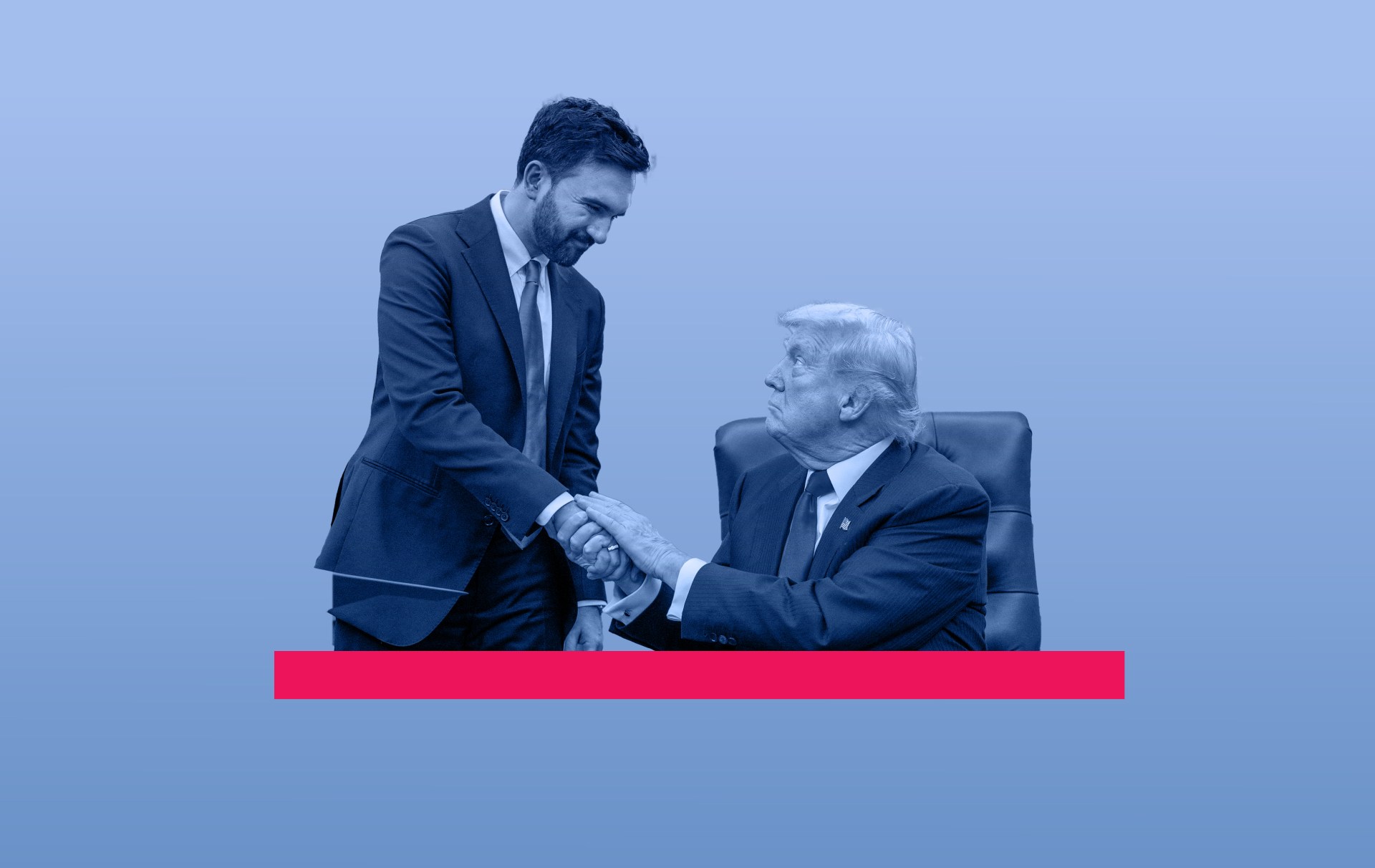
Capping credit card interest rates, limiting CEO pay, barring institutional investors from owning rental properties: Zohran Mamdani, the democratic socialist mayor of New York City? Or Republican President Donald Trump? It’s not Mamdani—although Trump’s latest string of populist economic proposals aimed at addressing voters’ concerns about affordability might give the mayor a few ideas for a left-wing agenda. That could make for some awkward moments during the midterm campaign. Republicans are planning to tie Democrats to Mamdani, a critical component of the GOP’s playbook to preserve their threadbare majority in the House of Representatives in elections this fall.

Energy markets, policies, and technologies do of course respond to daily events, but they also evolve over years and decades. We use scenarios—representations of plausible futures based on current understanding—to shape our thinking about how today connects to tomorrow. Scenarios are not predictions of the future, but offer ways to explore the implications of what we currently believe about how the future might play out. For decades, the International Energy Agency (IEA) has played a key role in producing such projections. And although the agency’s models have not been free from criticism, such criticism reflects the importance of using these scenarios as a baseline for debating both where we appear to be headed and where we’d collectively like to go.
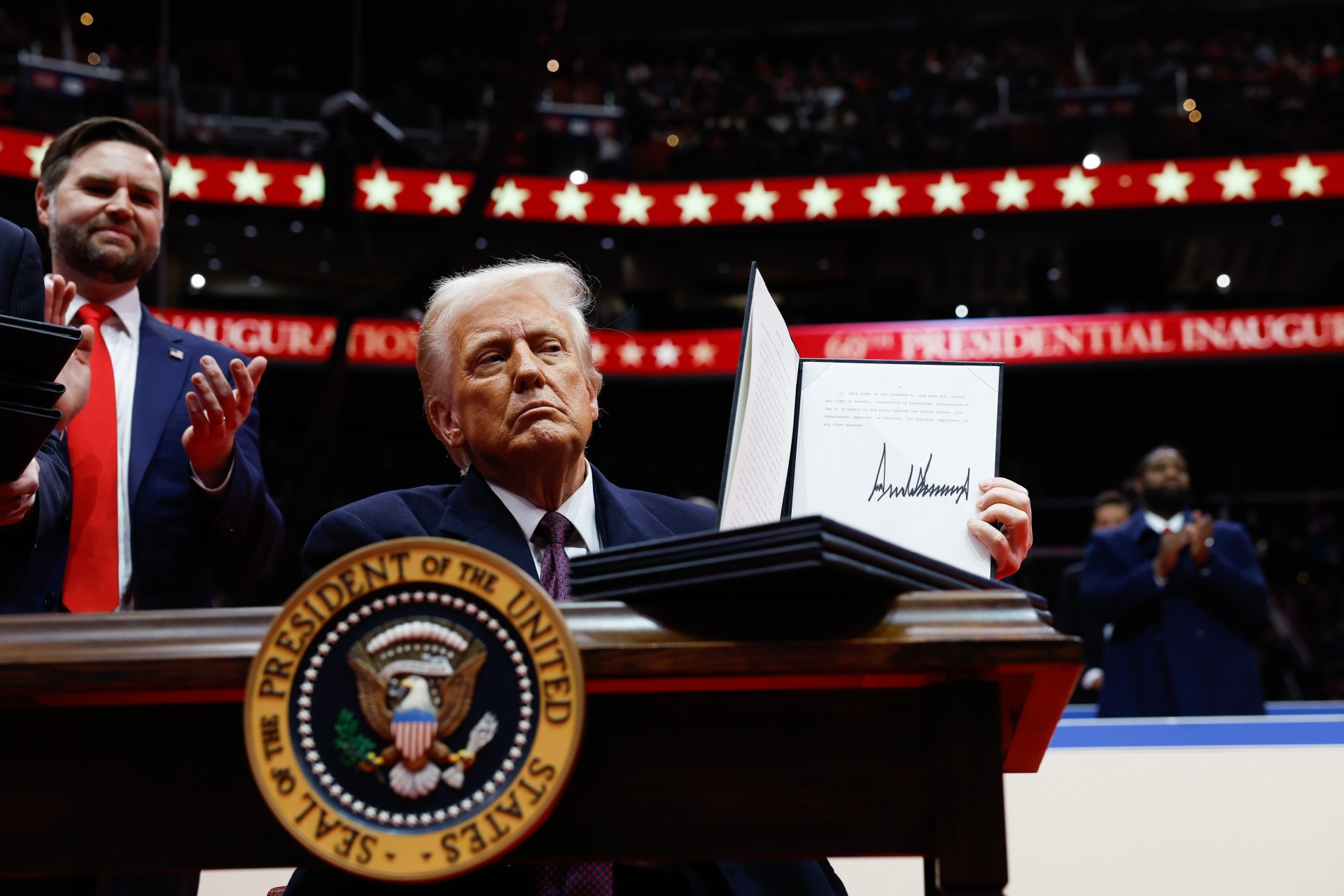
This week marks one year since President Donald Trump was inaugurated for his second term, during which he promised to Make America Great Again, again. That was his high-level pledge to voters, but at rallies and in interviews, the eventual winner of the 2024 election made hundreds of specific promises about what he would do when he returned to office. Academic research suggests national leaders generally follow through on their campaign platforms—a 2017 cross-national study found governing parties fulfill a “clear majority” of pledges—but has that been true of Trump during the first year of his second term? To find out, The Morning Dispatch analyzed 142 rallies that Trump spoke at in the run-up to the 2024 general election—along with five press conferences, 13 interviews and podcasts, two debates, and 33 other appearances—and broke down hundreds of distinct campaign promises.
Enjoying our Dispatch Politics Roundup? Consider forwarding this article to someone you know who likes independent, fact-based journalism.