Fueling The Conversation, Week of January 19th, 2026
Early in the morning of January 3, the U.S. carried out an operation to capture the self-proclaimed president of Venezuela, Nicolas Maduro, and his wife, Cilia Flores, to face trial in New York on charges of trafficking cocaine and partnering with cartels.
Removing Maduro from power was long overdue. More than 50 countries do not recognize him as the legitimately elected president of Venezuela. Under his leadership, the Venezuelan state carried out numerous human rights abuses, suppressed political opposition, and destroyed the economy. Decades of socialism under Maduro and his predecessor, Hugo Chavez, caused the once prosperous country to reach a 75% extreme poverty level among its citizens. Maduro oversaw a GDP decrease of three-quarters from 2014 to 2021 due to an oil price decline of 44% between June and December 2014, highlighting the extent to which Venezuela’s state-run economy was buffered by high oil prices during Chavez’s rule.
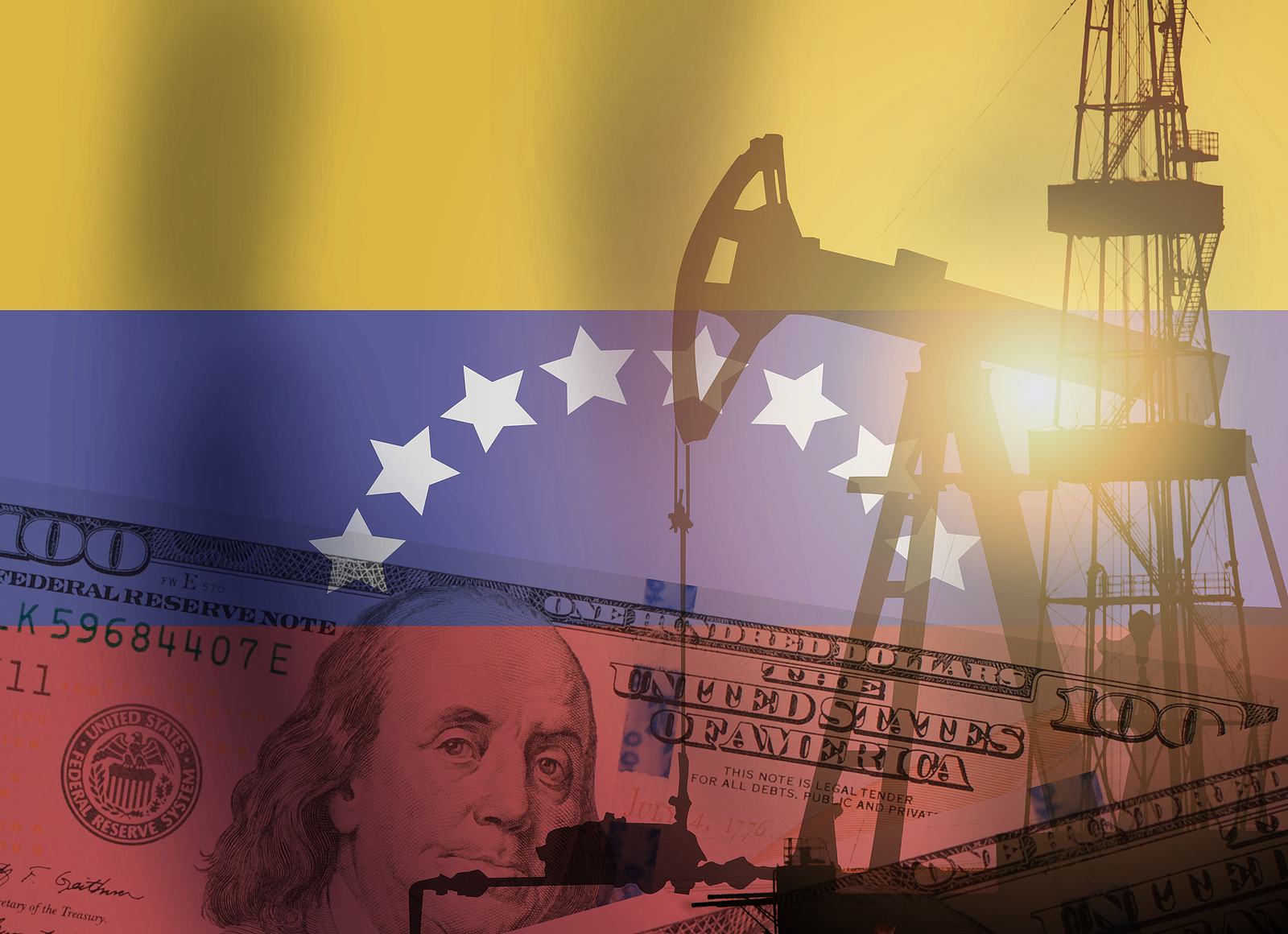
Although the situation is still evolving, President Trump has firmly defended the legitimacy of the mission on national security and justice grounds. A Maduro-run Venezuela became a threat to the American people, and President Trump has shown that he will not let our adversaries walk all over us, especially in the Americas. With the U.S. firmly overseeing the flow of oil from the country, the Trump administration announced that “all proceeds from the sale of Venezuelan crude oil and oil products will first settle in U.S. controlled accounts at globally recognized banks” and that the “only oil transported in and out of Venezuela will be through legitimate and authorized channels consistent with U.S. law and national security.” Even if the administration continues to permit oil sales to China, increased American control gives the U.S. a new card to play.
Venezuela has housed intelligence agents from China, Russia, Cuba, and Iran, while also being a hub for oil exports to China and Cuba, providing both countries with the discounted fuel they need to repress their people and, in Cuba’s case, float its economy. Notably, capturing Maduro involved the U.S. military facing off against Cuban soldiers and Chinese weapons, which failed to kill any American service members.
Besides the legal claims against Maduro personally, he led a regime that profited from the stolen assets of American companies. Although Venezuela has always had massive oil reserves, particularly in the Orinoco Belt and Maracaibo Basin, the country had no access to these resources until American oil companies invested in the expertise, infrastructure, and technology to get them out of the ground. An administrative board of Venezuela’s state-run oil company, PDVSA, admits this point, claiming that “U.S. companies such as Standard Oil (later Exxon) and Gulf Oil were pioneers in the investment and development of the Venezuelan oil industry.”
Instead of thanking these companies for contributing to a growing economy, which reached nearly 80% of U.S. GDP per capita in the late 1950s, Venezuela moved to punish them by demanding that they provide the state with a stake in ownership. In 1976, PDVSA was created to take over the industry, with the state requiring foreign oil companies to give it 60% equity in joint ventures. In 2007, Chavez reinforced this previous decree by nationalizing the last remaining oil sites that were majority controlled by foreign companies in the Orinoco Belt, declaring that “the privatization of oil is over in Venezuela.” Currently, Chevron is the only American company still operating in the country, owning stakes between 25% and 60% in five onshore and offshore projects, according to Reuters. ConocoPhillips and Exxon Mobil, which left the country under Chavez, have been looking to recover $12 billion and $1.65 billion, respectively, of seized assets, which President Trump has made contingent on new investments in Venezuela by these companies.
President Trump’s recognition that the nationalization of American assets constitutes theft reverses decades of weakness by previous administrations and provides a new level of deterrence that should make foreign governments think twice before deciding to put American property under state control. Effectively resolving these disputes should help make Venezuela a more hospitable place to drill for oil.
Even though Venezuela has some easy to access medium and light oil reserves in the Maracaibo and Monagas Basins, it would be a mistake to overstate the effect an open Venezuela will have on the American energy sector. Questions still remain regarding whether the political and economic institutions within Venezuela can facilitate the development and trade of oil without significant disruptions, especially as the current Venezuelan regime continues to exist under the leadership of Maduro’s vice president, Delcy Rodriguez. Furthermore, the investment required to achieve Venezuela’s previous peak production of 3.7 million barrels per day could reach $183 billion, a staggering amount in a time of low crude oil prices.
Despite these concerns, the liberation of Venezuela from Maduro’s grasp is a big win for the Venezuelan people and our national security. With ample pressure and encouragement from the Trump administration, Venezuela could reach new heights as a free and prosperous country. ¡Viva Venezuela Libre!
__________________
Fueling the Conversation, a weekly column by IER President Tom Pyle, offers a principled take on energy events. Energy underpins all aspects of modern life, so policies that artificially limit production hurt everyday people paying to heat their homes and drive to work. “Green” groups push these policies for ideological reasons, but this column uses economic logic and hard facts to advocate for energy freedom.