Authored by Melanie Sun via The Epoch Times,
The Department of Justice has been ordered by a federal judge to return everything that it seized and obtained between 2017 to 2020 from a longtime confidant of former FBI Director James Comey, siding with the friend and plaintiff who said his constitutional rights had been violated when the materials in his possession were misused to investigate Comey.

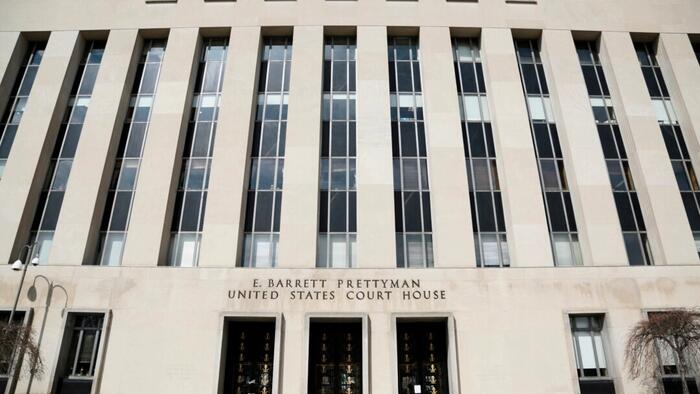
In a decision on Dec. 12, U.S. District Judge Colleen Kollar-Kotelly for the District of Columbia ruled that the DOJ had violated law professor Daniel Richman’s Fourth Amendment right to be free from unreasonable searches and seizures when it retained certain files copied from the plaintiff’s personal computer and online accounts between 2017 to 2020 when it was investigating whether Comey had leaked classified material after being fired as FBI director, and used those files for further investigations not covered by the original warrant.
“This seizure is unreasonable because the Government’s warrantless search of the files earlier this year reveals that the Government has not implemented effective safeguards to protect copies of the files from unlawful access while they remain in the Government’s custody and control,” the judge wrote.
Kollar-Kotelly said the materials copied from Richman had been handled with “callous disregard” for the plaintiff’s constitutional rights and called the recent warrantless search of the materials a “remarkable breach of protocol.”
“Because Petitioner Richman is entitled to return of his property as a remedy for the violation of his constitutional rights, the Court is unpersuaded by the Government’s contention that his motion must be denied based on its potential collateral effects on the investigation and prosecution of Mr. Comey,” Kollar-Kotelly wrote.
However, the judge only partially granted Richman’s petition, declaring as moot his request for a temporary restraining order.
Instead, Kollar-Kotelly ruled that before the materials are returned to Richman, the government may create “one complete electronic copy of those materials and deposit that copy, under seal, with the U.S. District Court for the Eastern District of Virginia, which shall have supervisory authority over access to this material, for future access pursuant to a lawful search warrant and judicial order.”
This addresses the violations against Richman “without preventing the Government from conducting any future investigation or prosecution,” the judge said.
“[H]e is not entitled to an order preventing the Government from ‘using or relying on’ those materials in a separate investigation or proceeding, as long as they are obtained through a valid warrant and judicial order.”
Prosecutors can seek a new warrant to regain access to the files, the judge said.
The DOJ must return the materials to Richman by Dec. 15. In addition to the copy of his personal computer, the order also relates to any images of Richman’s email or Apple iCloud accounts, including from any Columbia University email accounts.
The judge last week had temporarily blocked the DOJ from accessing the materials without the court’s permission in response to an emergency motion filed by Richman’s lawyers.
DOJ Indicts Comey
The DOJ in September indicted Comey in Virginia on charges of making false statements to Congress in 2020 and obstructing Congress when he denied authorizing the leak of memos alleged to contain classified information. Comey testified at the time that FBI officials had anonymously provided information to news outlets, which the DOJ alleged conflicted with his 2018 testimony to Congress.
Comey pleaded not guilty. The indictment was dismissed in November after a judge ruled that prosecutor Lindsey Halligan’s appointment was unlawful.
Comey had testified in 2018 that he had leaked some personal memos to Richman after President Donald Trump fired him from the FBI, including one memo that allegedly contained classified information. The firing was over his refusal to prosecute former Secretary of State Hillary Clinton for using a private email server to convey sensitive national-security messages.
Comey said in 2018 that he considered the memos to be “personal documents” as they were his recollection of his conversation with Trump. He also said his intention with leaking the documents was to trigger the appointment of a special counsel to continue the investigation into alleged Russian election meddling, in which he succeeded with the appointment of special counsel Robert Mueller.
After a DOJ Inspector General investigation in 2019 found policy violations but no criminal charges regarding Comey’s handing of the memos, the DOJ under Attorney General William Barr declined to prosecute the allegations of classified elements being released in the memos.
As the DOJ in September had relied on the materials previously obtained from Richman to indict Comey, the DOJ had argued to Kollar-Kotelly that Richman’s appeal “amounts to nothing more than an improper collateral attack on the investigation and prosecution of Mr. Comey and that return of property to Petitioner Richman is not an available remedy.”
The DOJ’s motion to dissolve the temporary restraining order was also denied as moot.
Loading recommendations…