Nothing like supply and demand and good ole’ price as a rationing mechanism…
Greek shipping billionaire George Procopiou quickly moved to capitalize on the surge in tanker demand when war broke out, dispatching at least five vessels through the Strait of Hormuz, according to The Chosun Daily.
His move was driven by two key calculations: the massive freight rates oil-importing countries would pay to secure transport, and the lucrative fees oil producers offer to store crude at sea when onshore storage fills up.
Greek shipowners control the world’s largest fleet of oil tankers. Most are leased to energy companies to transport crude globally, though in tighter markets the vessels can also function as floating storage.

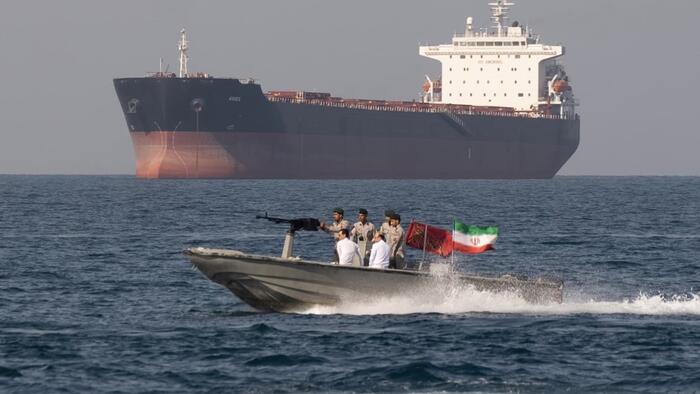
To reduce the risk of Iranian attacks while transiting the strait, Procopiou’s ships reportedly switched off their transponders and deployed armed guards on deck. According to reporting by The Wall Street Journal, however, the tankers would likely sink quickly if struck by a missile or drone. Crews undertaking the voyages are said to be receiving unusually high pay.
The report quotes industry sources that said Procopiou’s companies offered charter rates as high as $440,000 per day — roughly four times pre-war levels.
Procopiou controls several shipping firms, including Dynacom Tankers Management, Sea Traders (C Traders) and Dynagas. Dynacom alone operates about 70 vessels. Forbes estimates his net worth at around $4.7 billion. Shipping tycoons such as Procopiou wield significant influence in the global oil trade and maintain political connections in Washington.
The report also identified a potential beneficiary in Sinokor Merchant Marine. The company recently bought dozens of crude tankers and sent several to the Gulf before the conflict began. Sources said Sinokor leased some vessels to Abu Dhabi National Oil Company for offshore storage, earning freight rates of up to $500,000 per day.