Authored by Naveen Athrappully via The Epoch Times,
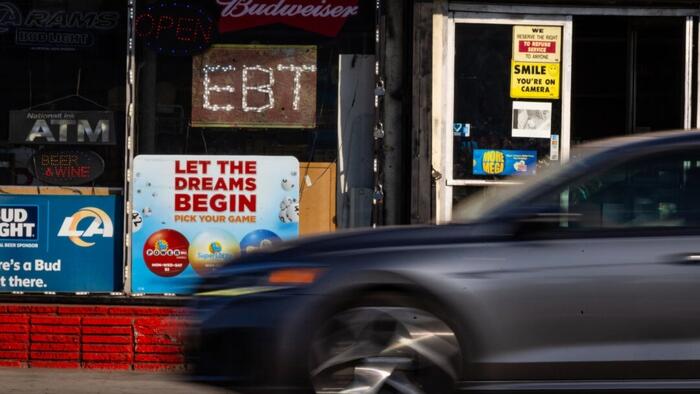
Supplemental Nutrition Assistance Program (SNAP) beneficiaries sued the Department of Agriculture on March 11 over the issuance of waivers to five states restricting certain types of foods that can be purchased under the program.

On May 19 last year, Agriculture Secretary Brooke Rollins issued a waiver to Nebraska that bans SNAP recipients in the state from buying soda or energy drinks. As of March 4 this year, the Department of Agriculture (USDA) has approved similar waivers for 22 states in total.
In addition to soda and energy drinks, the additional waivers prohibit the purchase of fruit and vegetable drinks with less than 50 percent natural juice, as well as candy, unhealthy drinks, soft drinks, prepared desserts, sugar-sweetened beverages, and processed foods and beverages. Different states ban one or more of these items.
In the lawsuit, filed at the U.S. District Court for the District of Columbia, plaintiffs argued that the USDA’s actions amount to “authorizing a patchwork of state-by-state food prohibition regimes.”
“These changes deprive SNAP recipients and their families of the food they need to maintain their health and employment, and in some cases, to survive,” the lawsuit alleged. “Individuals with chronic illnesses are losing access to products they need to manage blood sugar or sustain diets they need to maintain baseline health care needs.
“Families must choose between using scarce cash to purchase restricted items or foregoing essential household expenses such as rent, utilities, or transportation. These harms are tangible, ongoing, and irreparable.”
The lawsuit specifically challenges SNAP waivers issued for Colorado, Iowa, Nebraska, Tennessee, and West Virginia, the states in which the five plaintiffs reside.
In 2018, the USDA had rejected similar food restriction proposals on SNAP purchases. According to the lawsuit, this was because the agency concluded that the restrictions would force the government to draw arbitrary lines among food products, limit food choices for households without clear evidence of health benefits, impose significant burdens on retailers, and increase administrative costs.
“Even though the challenged waivers present the same defects USDA previously recognized, they were approved without any attempt to address, let alone resolve, those concerns,” the complaint stated.
By approving the five waivers, the defendants are in violation of the Administrative Procedures Act and the Food and Nutrition Act of 2008, the lawsuit claims.
Plaintiffs have asked the court to deem the food restriction waivers as unlawful.
The Epoch Times reached out to the USDA for comment but did not receive a response by publication time.
SNAP Restrictions and Health
While announcing SNAP waiver approvals for six states in December 2025, Rollins justified the need for food restrictions as a way to improve people’s health.
“President Trump has made it clear: we are restoring SNAP to its true purpose—nutrition. Under the MAHA initiative, we are taking bold, historic steps to reverse the chronic diseases epidemic that has taken root in this country for far too long,” Rollins said in a Dec. 10 statement.
“With these new waivers, we are empowering states to lead, protecting our children from the dangers of highly-processed foods, and moving one step closer to the President’s promise to Make America Healthy Again.”
Rollins and Health Secretary Robert F. Kennedy Jr. are strong advocates of banning food items deemed unhealthy from SNAP as part of the Make America Healthy Again agenda. Kennedy said he hopes that all states will have asked for, and received approval for, SNAP restrictions by the end of 2026.
In June 2025, Kennedy called on all state governors to exclude sugary drinks from the SNAP program. “Taxpayer dollars should never bankroll products that fuel the chronic disease epidemic,” he said at the time.
A study published on Dec. 8, 2024, in Frontiers in Public Health found that consuming more sugary drinks was linked to a higher risk of developing cardiovascular diseases than eating sweet food items such as pastries.
“Liquid sugars, found in sweetened beverages, typically provide less satiety than solid forms—they make you feel less full, potentially leading to overconsumption,” Suzanne Janzi, the study’s co-author, said in a statement.
“Context also matters—treats are often enjoyed in social settings or [for] special occasions, while sweetened beverages might be consumed more regularly.”
The waivers have already been implemented in eight states: Idaho, Indiana, Iowa, Louisiana, Nebraska, Oklahoma, Utah, and West Virginia.
The waivers will come into effect in the remainder of the year in Arkansas, Colorado, Florida, Hawaii, Missouri, North Dakota, Ohio, South Carolina, Tennessee, Texas, and Virginia.
The waivers are set to be implemented in 2027 or 2028 in three states: Kansas, Nevada, and Wyoming.