You’re reading Dispatch Culture, our weekly newsletter exploring the world beyond politics. To unlock all of our stories, podcasts, community benefits, and our newest feature, Dispatch Voiced, which allows you to listen to our written stories in your own podcast feed, join The Dispatch as a paying member.
At The Dispatch, we’re not shy about our institutional love of Westerns. Today, we’re leaning into that love even more, with a piece on the works of John Ford by Christianity Today Editor-in-Chief Marvin Olasky. “Desperate times demanded personal sacrifice,” Olasky writes. “Ford set the tone for the best Westerns of the 1950s: an American treat like peanut butter, and the good ones came in one variety, crunchy.” Elsewhere in this newsletter, you’ll find a blog suggestion from yours truly, recommendations from Dispatch President Mike Rothman, a book review from Nadya Williams, and an artwork from Dispatch member Connie Kirk.
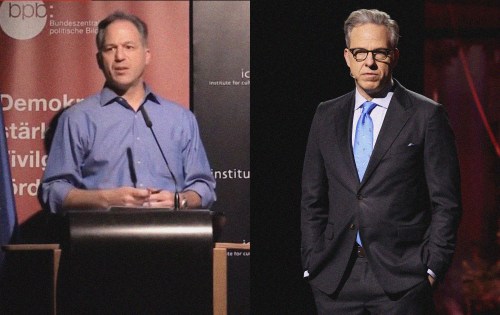
On the site today, we have two fun pieces. In one, journalist Charles Lane remarks on his oft-noticed resemblance to CNN anchor Jake Tapper. As Lane writes: “The real Jake Tapper was blissfully unaware of all this; apparently no one ever confuses him with me. ‘I’m so sorry, Chuck,’ he said when I told him what’s been going on. Tapper did suggest a potential silver lining: People might be nice to me if I visit Philly, especially if I wear an Eagles hat.”
The Two Jakes
On one journo’s much-noticed resemblance to a certain CNN anchor.
In the second piece, we have Nick Pompella—former Jonah Goldberg assistant and chronicler of millennial men and atheism—on the show Neon Genesis Evangelion, which recently turned 30 and made a splash when it moved from Japan to American TV screens. “In speaking to a generation’s anxieties and hopes, NGE became millennials’ version of The Catcher in the Rye—if The Catcher in the Rye was filtered through Eraserhead, Blade Runner, and the Book of Revelation,” Pompella writes.

Finally, we have our third installment of our new series “Where I’m From,” which seeks to gather meditations on hometowns in all corners of these United States. This week, Dispatch contributing writer Emmett Rensin writes on the San Fernando Valley, in an essay layered with beige, cigarette smoke, and a LOT of driving. Enjoy!

American Artifacts
The Best Postwar Westerns
By 1948 the glow of U.S. victory in World War II was gone and Americans were dismayed to find themselves in a cold war close to turning hot. In 1948 the Soviet Union blockaded West Berlin in an attempt to force out the U.S., which responded with a yearlong airlift of provisions. In 1949 Russians tested their first nuclear weapon. In 1950 the Korean War began.
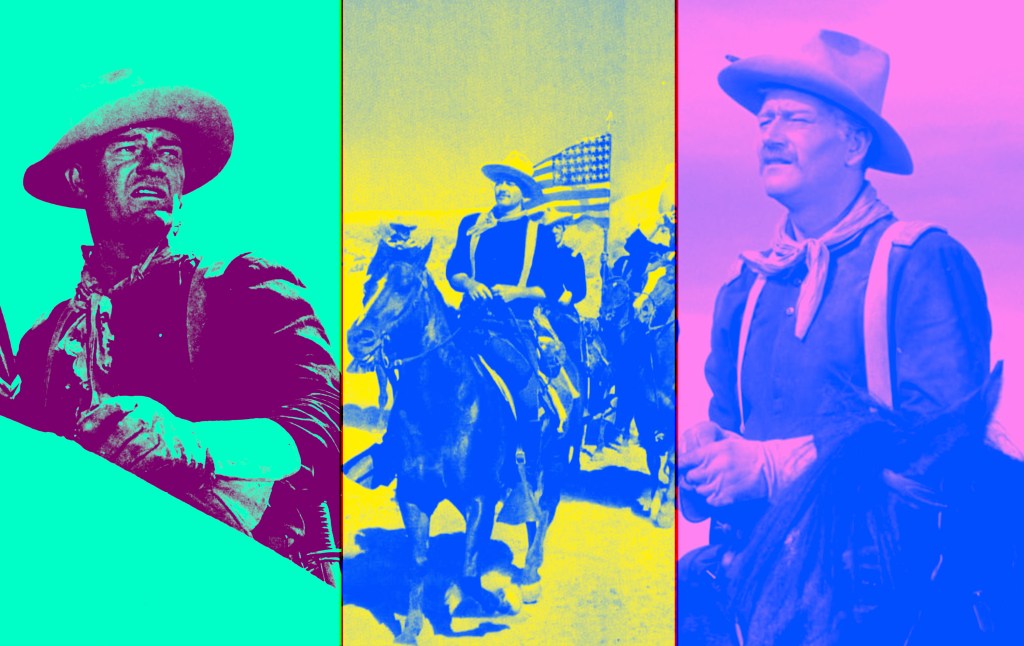
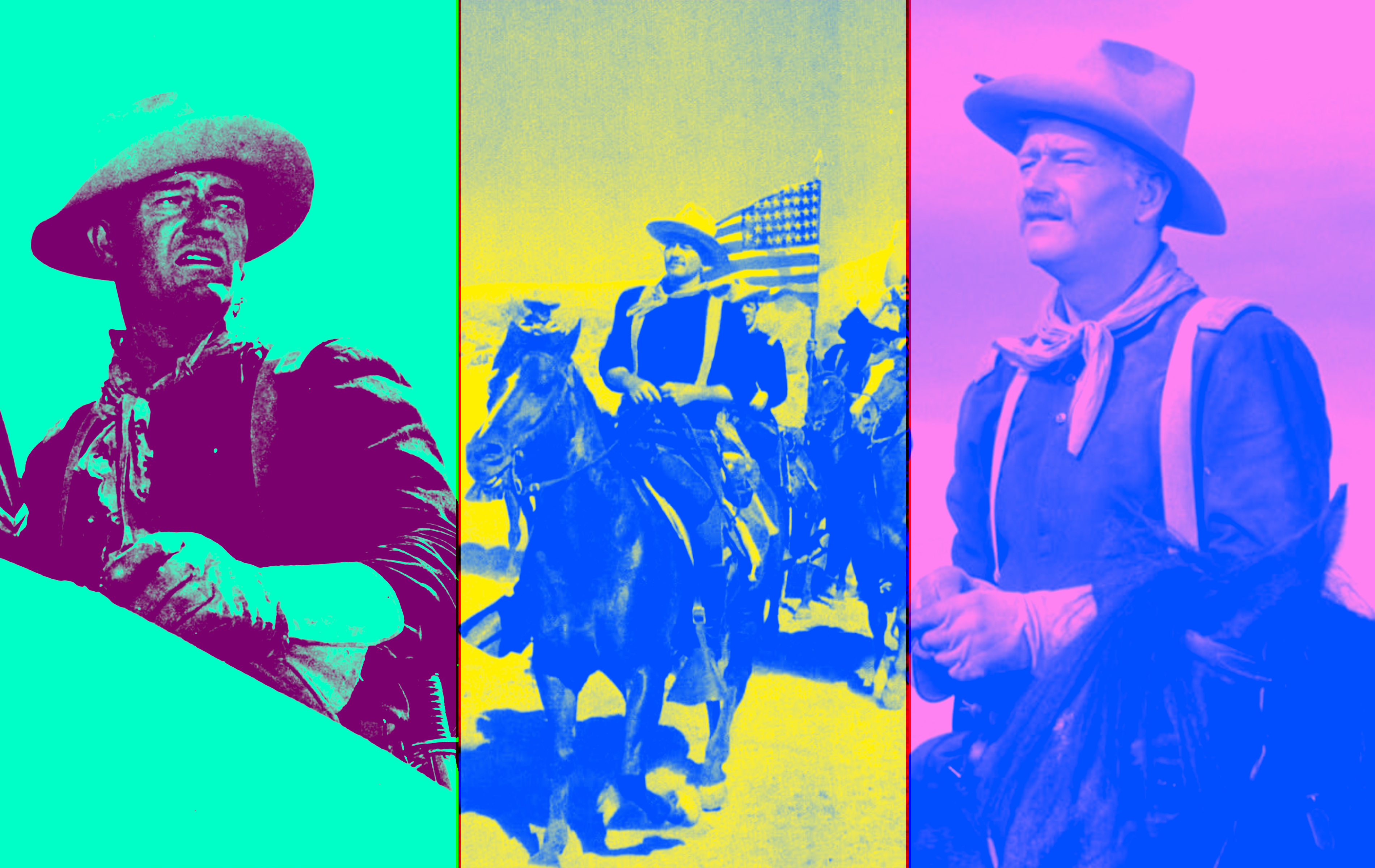
John Ford, Hollywood’s greatest director of Westerns, was a Navy commander during World War II. He loved telling stories but was also a member of the Motion Picture Alliance for the Preservation of American Ideals, which saw those ideals under attack by the Hollywood left. Ford’s great cavalry trilogy starring John Wayne—Fort Apache (1948), She Wore a Yellow Ribbon (1949), and Rio Grande (1950)—offered crowd-pleasing action but also echoed events overseas.
The three are best viewed bang-bang-bang, because film by film, the external threats increase. In 1948’s Fort Apache, the American forces are safe within a strong fort and Apache leaders are reasonable. Capt. Kirby York (Wayne) says tribal leader Cochise is “a decent man” who wants peace—but an arrogant U.S. general insults Cochise and gets himself and his men killed.
In 1949’s She Wore a Yellow Ribbon, profit-first traitors sell repeating rifles to hostile forces following unreasonable “new messiahs” into war. With stagecoach stations torched, only a risky strategy ends this particular struggle. The film ends with a tribute to our dependence on a few “men in dirty-shirt blue and only a cold page in the history books … riding the outposts of a nation.”
In 1950’s Rio Grande, Apaches attack the fort and pursuing soldiers have to let them escape across the Mexican border: State Department orders. Political cowardice leads to not only military deaths but the kidnapping of children. Finally, against Washington’s wishes, the cavalry crosses the border, kills the Apaches who are all bloodthirsty, and rescues the captured kids.
These films were stories and I don’t want to make them seem like manifestos, but Ford focused on characters who showed a particular kind of character. In Rio Grande, Wayne’s aging Kirby Yorke (promoted to lieutenant colonel with an “e” added to his name) has been estranged from his Southern wife because as a Union soldier during the Civil War he followed orders to burn down her family plantation.
Walter Lippmann, midcentury America’s most influential columnist, wrote that the nation needed “citizens who by their own second natures preferred the laws to the satisfaction of their own impulses.” The cavalry trilogy trend was clear about the need for sacrifice, with U.S. fortifications becoming weaker and threats more severe. Desperate times demanded personal sacrifice. Ford set the tone for the best Westerns of the 1950s: an American treat like peanut butter, and the good ones came in one variety, crunchy.
An Outside Read
We at The Dispatch enjoy a good dose of localism, and in that vein, I wanted to share the essay “How To Prevent Your Small Town From Becoming Anywhere, USA,” by Javier Velazquez. I don’t totally agree with Velazquez’s critiques—I think there is perhaps more variety in small towns than he argues—but in general, I think he makes a good argument for cultural richness in the small places, even if uncovering it takes effort. “Your town has a distinct identity, even if it’s ringed by a Target or a Dollar General, even if it’s been carved up by stroads and parking lots,” Velazquez writes. “Organizations like Strong Towns do a lot of good work in small town urban revivalism. Maybe there’s a local historical preservation society that is needing board members. If there’s not, you could start one. … It is very possible today for motivated and creative people to make a difference in their hometowns. The deepness and ingredients of a place are all still there. It’s under your feet, in the land, in the memory, in the forms that once fit and could fit again.”
On Our Shelves
On an otherwise fine night in Rome in 81 B.C., a wealthy man was murdered on his way home from a dinner party (urban crime clearly isn’t just a modern problem). Sextus Roscius, the deceased’s son and heir, was accused of killing his father in a complicated scheme by some unscrupulous people who were after his estate. And while everyone who knew the younger Roscius knew he was innocent, no one would even dare defend him in court aside from a plucky upstart lawyer—Cicero.
Cicero’s defense speech on behalf of Roscius survives—and Cicero’s success in the case did wonders for his career. But it is remarkable just how close Roscius, a wealthy and well-connected young aristocrat, came to losing everything. The well-being of even the elite in Rome at times was uncertain. And for those without Roscius’s privilege, life was even more precarious: The poor starved regularly and there were no social safety nets.
Thankfully, this is not how we live today. It pains most of us to see others suffer, and the desire to help not just friends and family but even complete strangers is prevalent in our society at large. Why this change?
In his new book, Love Thy Stranger: How the Teachings of Jesus Transformed the Moral Conscience of the West, biblical scholar Bart D. Ehrman contends that “some aspects of what seems morally obvious for most of us today in the West derive from a cultural development that transpired because of the Christianization of our world.”
Ehrman’s point that two millennia of Christianity brought us here echoes Tom Holland’s argument in Dominion: Christianity changed how we think about other people. But I will go a step further than Ehrman, a self-proclaimed agnostic, can. We are where we are not because Jesus was a good guy to emulate, but because so many people believed—and still do—that Jesus calls us to love our stranger, because God loves us and has created each and every single one of us in his image.
Stuff We Like
By Mike Rothman, president
- Laurie Berkner: With a 21-month-old, I’m deep into “Kindie Rock” right now, specifically Laurie Berkner, who’s the Raffi for this generation of parents. I’m fascinated by where kids’ music ends and pop songs begin—both generally have saccharine lyrics and simple, memorable melodies. Who’s to say that the song “All Star” by Smash Mouth isn’t a kids’ song? Berkner has said that she writes songs that she’d want to sing 100 times herself, which is seemingly the aim of any pop musician. It’s a testament to her songwriting that my wife and I don’t feel tormented by having her songs rattle around our heads throughout the week.
- Nuun Energy tablets: New dads need energy (you’ll notice a theme emerging), most people need more electrolytes, and everyone needs more hydration. Enter Nuun. After experimenting with various pick-me-ups for 5 a.m. workouts or soothing sessions, I’ve landed on Nuun Energy tablets as the plop, pop, fizz of my morning routine. Better yet, have a fully diluted bottle waiting by the side of your bed, chug upon waking, and melt any resistance to early rising.
- Snipd app: In a world of infinite content, we’re all prospectors sifting for the occasional golden nugget. Snipd is the digital catch pan for capturing memorable lines or mots justes from your favorite podcast. With the app, when you hear something worth saving, you triple-tap your headphones or press your steering wheel’s back button. The app automatically captures the audio clip and transcript of that moment (a “snip”).
Work of the Week
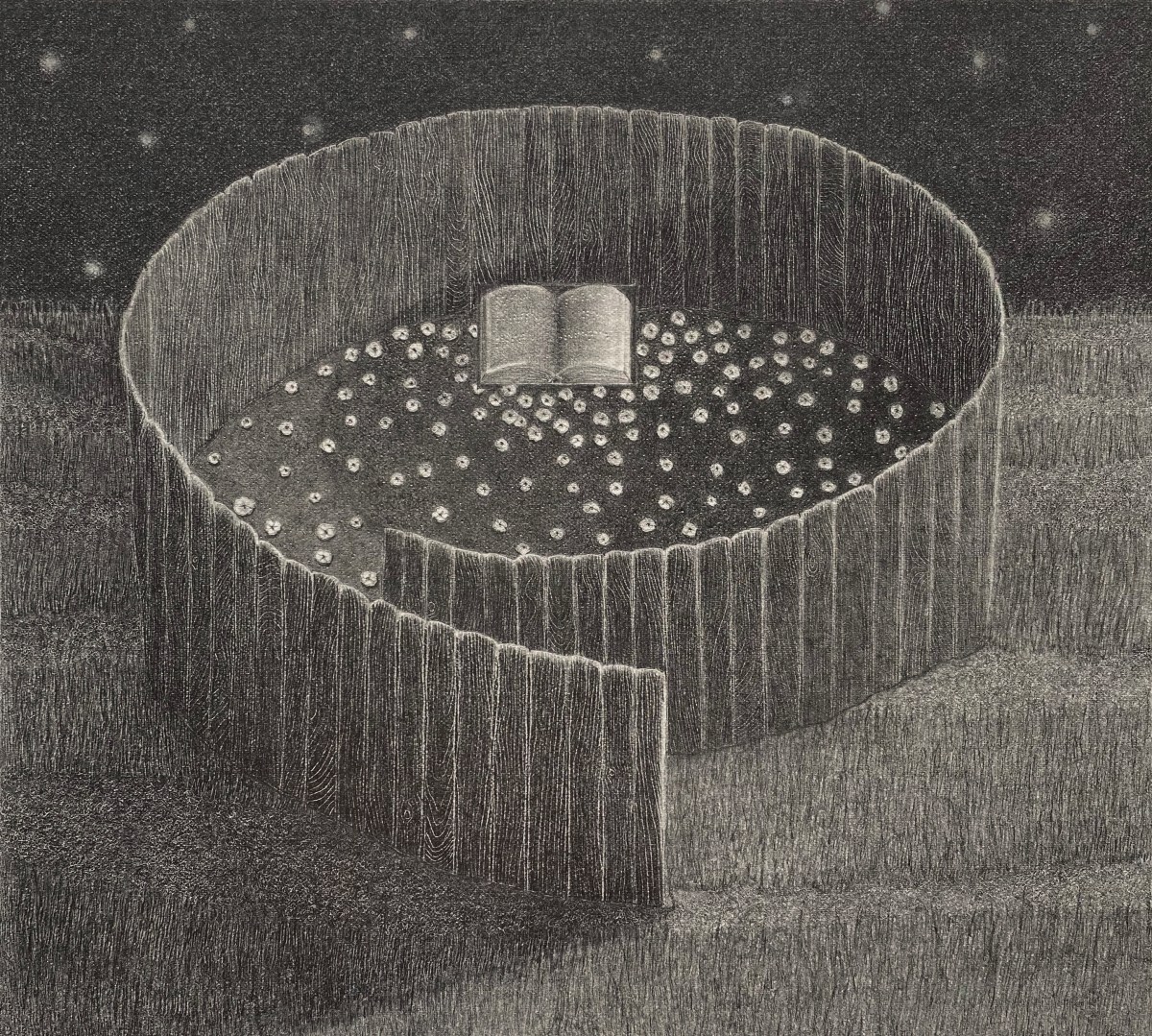
Work: Strait, C.G. Kirk, 2020 (Courtesy, it seems, of the artist herself!)
Why I’m a Dispatch member: I trust your reporting and appreciate your lack of nihilism. There are many more reasons but it would take a long time to enumerate them.
Why I chose this work: It expresses a certain amount of hope in a gray world.
Interested in being featured in this section? Submit a work of art here.
Interested in being featured in this section? Become a Dispatch member here.