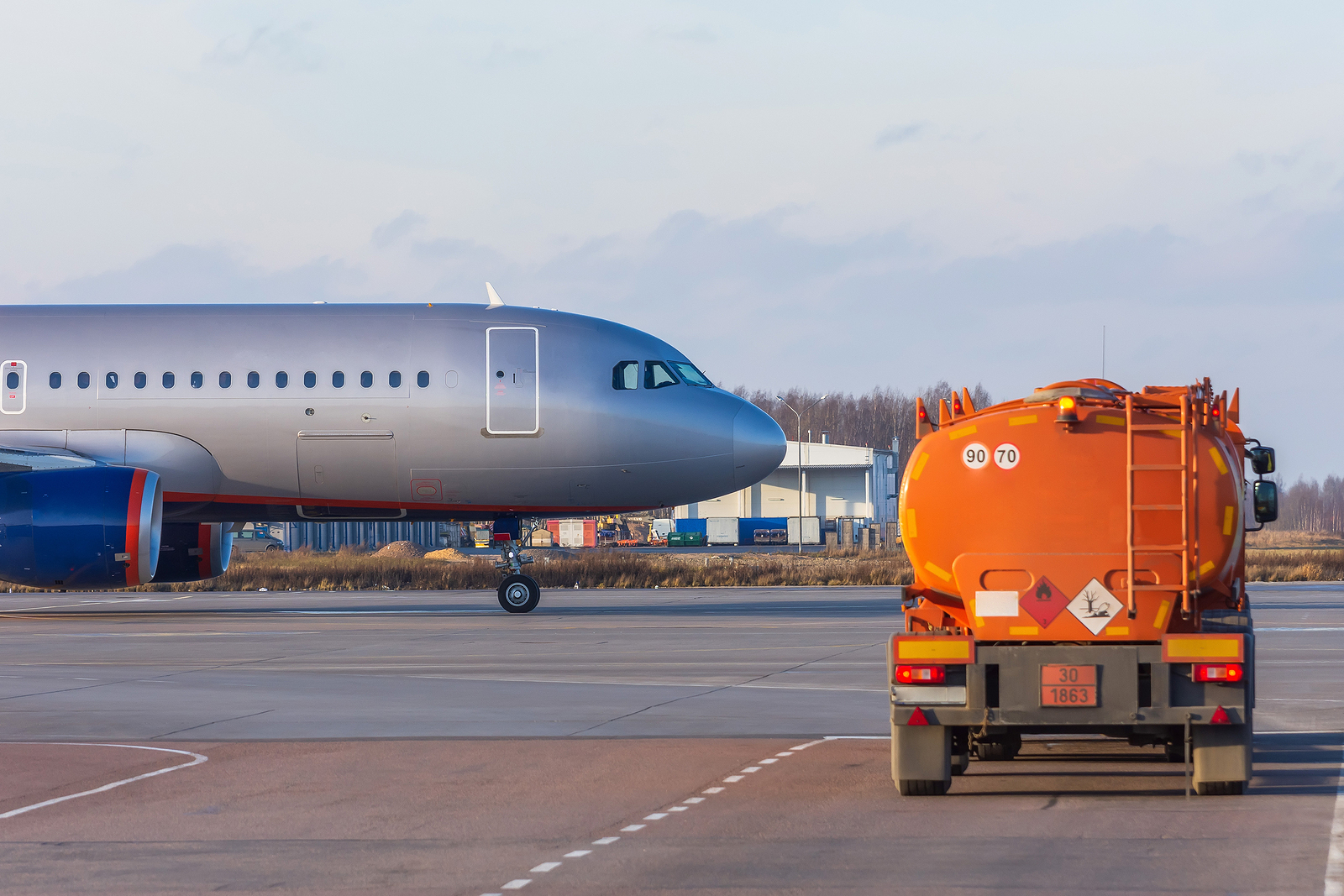
Jet fuel prices have more than doubled over the past month in Asia and Oceania, reaching $208 per barrel. Airlines across Asia have had to cut back or cancel flights on all but their busiest and most profitable routes. And Europe could run into jet fuel shortages in April, particularly if shipments of kerosene, a key component, remain disrupted by Iran’s effective blockade of the Strait of Hormuz. Airlines are raising ticket prices to offset higher fuel costs, which can account for as much as 30% of an airline’s operating costs. Average global airfares reached $465, the highest price for the same period since at least 2019, according to OAG. Cathay Pacific Airways, based in Hong Kong, has raised fuel surcharges, and Japan Airlines and All Nippon Airways also intend to do so. United, Air New Zealand, and the Scandinavian carrier SAS have announced capacity cuts and rate hikes, according to Reuters.
According to The Japan Times, the fuel surcharges Cathay Pacific has raised are extra fees added to airfares to cover a portion of increased fuel costs. Surcharges are collected separately from the rest of the airfare and vary depending on the market price of fuel. For Japan Airlines and All Nippon Airways, the fuel surcharge is determined two months at a time and announced two months in advance, calculated based on the average price at which kerosene was traded in the Singapore market during the two months leading up to the cost confirmation.
Last year, the airline industry reported record global passenger traffic, about 9% above pre-pandemic levels. Before the Iran conflict began, the airline industry had forecast record profits of $41 billion in 2026, but now it sees those profits potentially at risk due to the doubling in global jet fuel prices.
According to Reuters, Hong Kong’s Cathay Pacific Airways raised fuel surcharges twice in the past month. A return trip from Sydney to London will add an $800 fuel surcharge. Before the Iran conflict, a normal round-trip economy-class fare on the route was about $1,370. Low-cost carriers could have a harder time with price increases, given that their passengers are more price-sensitive than corporate customers and more wealthy consumers. In some cases, a short-haul flight can be downgraded to rail or bus. For example, American Airlines has teamed with Landline, “a premium motor coach experience,” connecting travelers to or from Philadelphia and Chicago O’Hare to nearby smaller airports, often unknowingly to passengers when the ticket was purchased.
In the United States, jet fuel prices have increased by 85% since the war with Iran began, reaching a record $4.62 a gallon from $2.50 a gallon before the war. American, Delta, and United each said they will spend approximately $400 million more on fuel in the first quarter than they had anticipated. According to United Airlines CEO Scott Kirby, fares would need to rise 20% for the airline to cover the higher fuel costs. To mitigate some of the cost increases, United plans to cut about 5% of its planned flights, mostly during off-peak periods — like red-eye and midweek routes — during the second and third quarters of 2026.
Travel Weekly reports that robust demand and the absence of fuel hedging are helping U.S. airlines with the cost increases. Hedges are a form of insurance in which airlines pay a premium to lock in future fuel prices. When the price of jet fuel rises, hedged airlines have a weaker incentive to raise fares than unhedged carriers. Hedged airlines could gain market share by lowering fares, forcing other airlines to lower theirs as well, which, at a time of rising jet fuel prices, would reduce profits. With essentially no hedged carriers, all carriers can pass through fuel cost increases to customers.
Other airline travel costs are also going up. Recently, JetBlue said it was raising baggage fees, citing “rising operating costs.” Other carriers may follow JetBlue’s baggage fee increases or seek other forms of ancillary revenue, which, unlike airfares, are not subject to federal excise taxes. Airfares were already increasing prior to the war, and were up 7.1% in February compared to a year earlier. Despite these price increases, U.S. air travel demand has remained steady, with January and February ticket sales at or near records.
Analysis
Increasing jet fuel prices are putting pressure on travelers, who will have to pay extra to travel where they want. Lowering these prices will require the U.S. and others to drill for more oil and refine more jet fuel. Fortunately, the U.S. is in a good position to ramp up production; jet fuel accounted for a record share of U.S. refinery output in 2024, and higher prices mean refineries will have a greater incentive to refine more of it. The benefits of producing more jet fuel at this time are evident in the example of Delta Air Lines, which benefits from its ownership of the Monroe jet fuel refinery outside Philadelphia, which it bought in 2012. According to Reuters, “Delta did not say how much of the current [oil price] spike Monroe could offset, but its filings show it has contained its fuel costs materially in periods when refining margins widened.” This phenomenon could become widespread around the U.S., as long as regulators stay out of the way.
For inquiries, please contact [email protected].