
Thanks to all our readers who attended Dispatch Energy: The Current State in Dallas, Texas last night. We had a great time talking energy policy—and of course, meeting all of you! Special thanks to Pacific Legal Foundation for sponsoring the event.
Welcome to Dispatch Energy! As of this afternoon, tanker traffic through the Strait of Hormuz remains at a virtual standstill. Several tankers have come under fire from Iran, and the country’s new supreme leader, Mojtaba Khamenei, reportedly vowed today to keep the strategic waterway closed to commercial traffic.
The sudden and ongoing war in Iran threatens to roil global oil markets, raising the specter of an energy shock that recalls the oil crises of the 1970s. In that era, U.S. policymakers responded by radically restructuring American energy policy, creating the Department of Energy and making big investments in energy independence, innovation, and infrastructure. Congress should respond similarly today by pursuing bold policies that cut red tape, expand energy abundance, lower prices, and extend America’s technological frontier. But two shifts over the last five decades stand in the way. The first, ironically, is the success of the 1970s-era initiatives. The second is the deep partisan polarization that now defines energy politics in Washington.
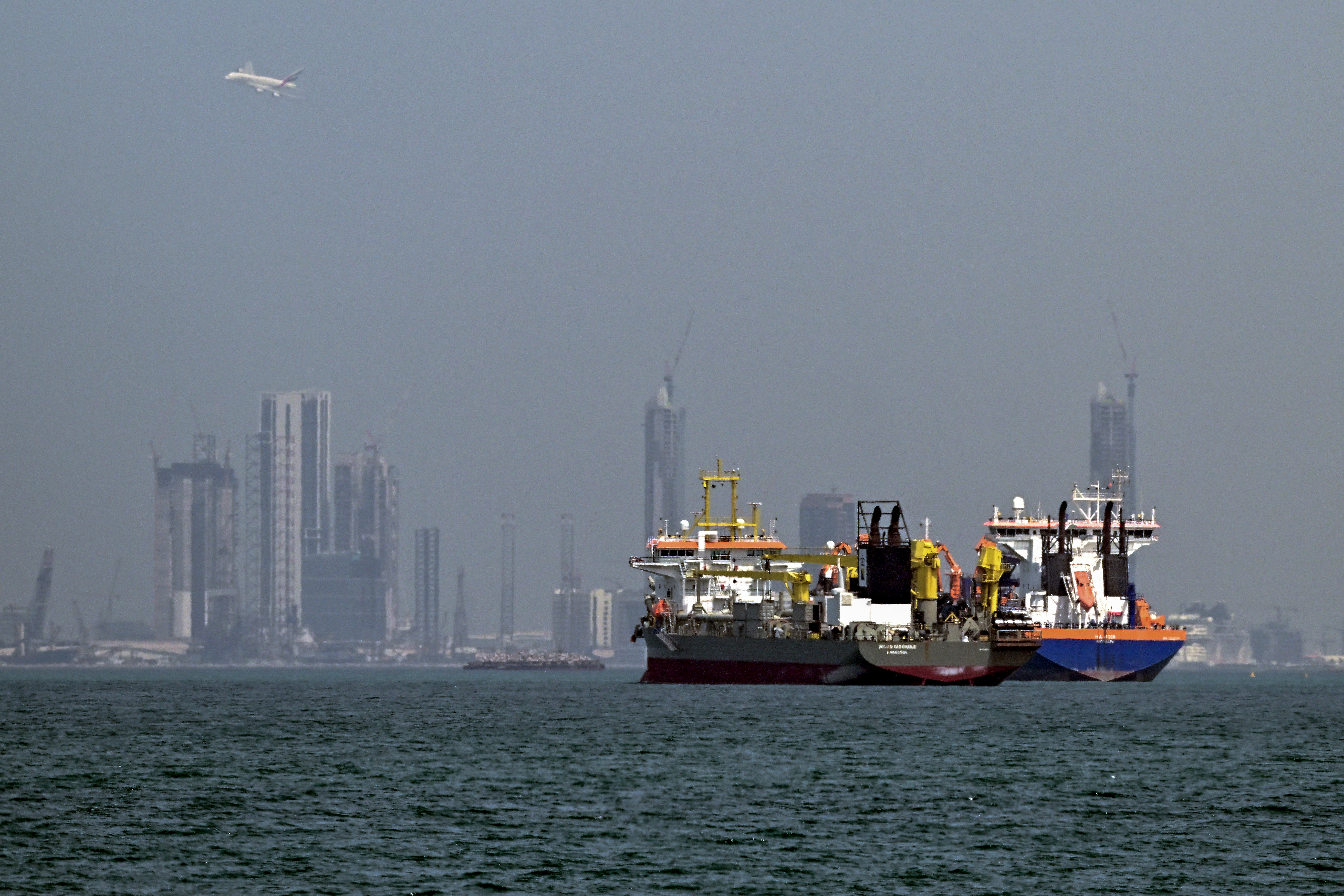
The oil crises of the 1970s exposed just how vulnerable the United States had become to global energy disruptions. The 1973 oil embargo by the Organization of Petroleum Exporting Countries (OPEC), and later the Islamic Revolution in Iran, prompted severe and shocking spikes in oil prices. Gas lines stretched around city blocks. Policymakers suddenly confronted the reality that the country’s energy system—long built around cheap, abundant petroleum—was far less secure than previously assumed.
Congress responded with sweeping legislation.
The Energy Reorganization Act of 1974 and the Energy Policy and Conservation Act of 1975 established the Strategic Petroleum Reserve, the Nuclear Regulatory Commission, and the Corporate Average Fuel Economy standards for automobiles, among other agencies and initiatives. Lawmakers also created the Department of Energy and the Federal Energy Regulatory Commission in 1977, consolidating a sprawling set of federal programs and launching a coordinated national effort to develop new energy technologies.
And the response wasn’t limited to fuel conservation or emergency management. The new Department of Energy and its growing number of National Laboratories also funded large research and development programs in solar and wind power, geothermal energy, advanced nuclear technologies, and new drilling techniques aimed at unlocking unconventional oil and gas resources. Many of these projects looked speculative, even fantastical, at the time. Wind turbines were expensive and inefficient. Solar panels cost orders of magnitude more than today. And unconventional oil and gas deposits trapped in dense shale formations were widely considered uneconomic.
But in retrospect, many of the bets made at DOE and its National Laboratories in the 1970s and 1980s paid off.
As our research for the Breakthrough Institute has shown, the 2000s-era boom in shale oil and gas production was the product of more than three decades of public and private experimentation. Government-funded research helped develop key technologies—from massive hydraulic fracturing to advanced mapping and drilling techniques—that made shale extraction viable. Industry innovators eventually combined those technologies with new drilling practices and persistent trial-and-error experimentation. In the late 1990s and early 2000s, companies like Mitchell Energy demonstrated that shale formations could be developed commercially.
Domestic gas production skyrocketed starting around 2005. Oil production followed soon after as similar techniques were applied to shale oil deposits. By the late 2010s, the United States had become the world’s largest oil producer and a leading exporter of liquefied natural gas. The transformation was so dramatic that it upended long-standing assumptions about American energy scarcity. For decades, policymakers assumed that the country would remain permanently dependent on foreign oil. Instead, technological innovation dramatically expanded the domestic resource base.
Repealing the ‘Roadless Rule’ is a win for America
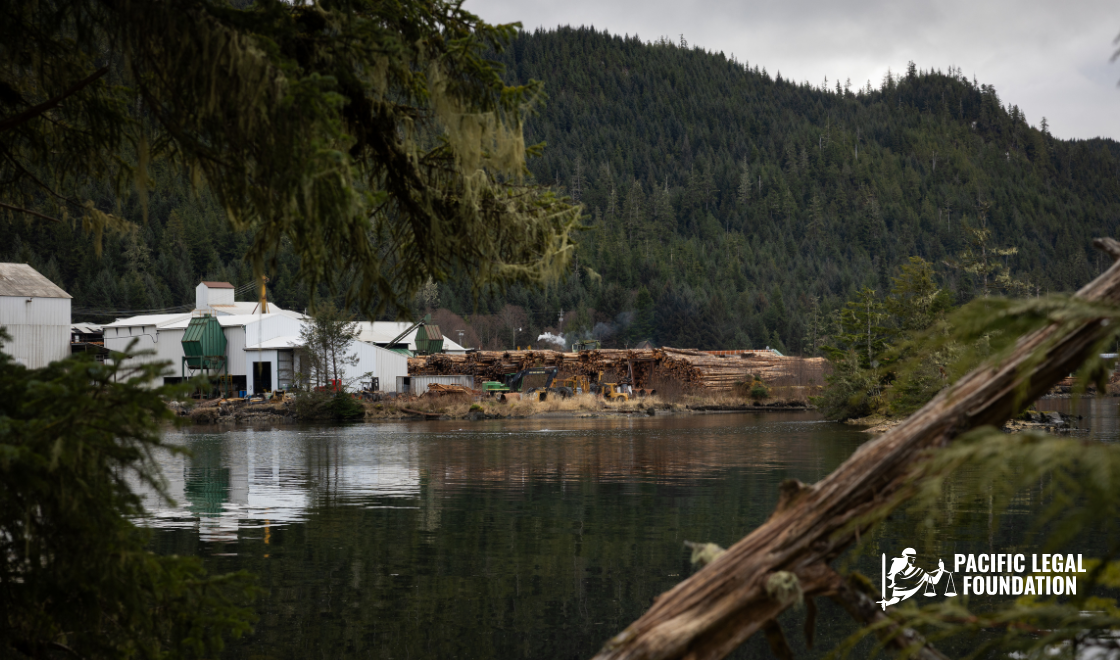
The Clinton-era “Roadless Rule”—restricting road construction across 85 million acres of federal forestland—has been a public policy disaster. Now, legislation has been filed to repeal the misguided policy and prevent future administrations from reinstating it.
It’s welcome news for remote communities across the country, including our clients in southeastern Alaska, where lack of road access has forced them to look to helicopters for badly needed infrastructure projects, quadrupling estimated costs.
And it wasn’t just oil and gas. Policymakers in the 1970s responded to the oil crises by crafting the original all-of-the-above energy agenda. Federal support for solar photovoltaic technology, wind turbine development, and advanced battery chemistry helped nurture industries that today are growing rapidly worldwide. Early research programs, tax incentives, and demonstration projects helped drive down costs and expand deployment over several decades.
Like shale gas, these technologies required long periods of incremental progress. But the results are now visible across the energy system. Solar panels and wind turbines are among the cheapest sources of new electricity generation in many regions, while battery technologies are rapidly expanding the possibilities for grid storage, electric vehicles, and many other applications. These revolutions, in unconventional hydrocarbons and renewables, emerged from sustained public investment, bipartisan policymaking, and a willingness to pursue multiple technological pathways simultaneously.
Ironically, the success of America’s all-of-the-above energy independence agenda may now make it harder to repeat.
The shale revolution turned the United States into an energy superpower, dramatically reducing OPEC’s leverage on global oil markets and providing a meaningful buffer between American consumers and geopolitical shocks. U.S. producers can increase oil output when global prices rise, and the country now exports large volumes of liquefied natural gas, reducing both the market and strategic power of Middle Eastern supplies.
The flipside of domestic energy independence, though, is that America is now deeply embedded in global oil markets and increasingly commoditized trade in natural gas. We can’t become a global petroleum superpower for a second time, and though America can and should produce more oil and gas, this will not have either the short-term or long-term benefits that policymakers were chasing in the 1970s. Indeed, U.S. drillers require higher prices to turn a profit than their main global competitors in Russia, South America, and the Middle East, so consumers’ desires for gasoline price relief are somewhat misaligned with the priorities of the oil and gas industry. While demand for natural gas is widely expected to grow for at least the next few decades, the world is likely on the cusp of a peak in demand for oil.
And America’s hydrocarbon resources are only as useful as we make them. In response to the oil supply shock, the International Energy Agency announced the largest-ever release of strategic oil reserves. But America’s own Strategic Petroleum Reserve was not even full when the United States and Israel launched the attacks on Iran. Likewise, our military still is not positioned to escort oil tankers through the Strait of Hormuz. Even unprecedented hydrocarbon abundance still exhibits vulnerable choke points.
Likewise, while wind, solar, and batteries have plummeted in price thanks largely to U.S. policy investments made decades ago, we may be approaching a period of diminishing returns in the ongoing renewables revolution. Wind deployment has slowed substantially in recent years. Solar power continues to surge in the United States, but the cost of new solar generation has actually ticked up for the first time in decades in response to inflation, interest rates, and rising electricity demand.
Oil, gas, solar, and wind all have bright futures in the U.S. But responding to the looming global oil crisis will require expanding America’s energy technology and infrastructure frontiers in much the same way policymakers pursued in the 1970s.
Unfortunately, even with a proven energy policy playbook, modern energy politics may get in the way.
The posture that policymakers adopted toward U.S. federal energy policy in the 1970s endured for decades. Lawmakers from both parties collaborated on the Energy Policy and Conservation Act in 1975, the Energy Policy Act of 1992, and the Energy Policy Act of 2005. These bills combined support for fossil fuels, nuclear power, efficiency programs, and emerging renewable technologies.
But this political consensus collapsed during the era of the climate hawk.
For Democrats, climate change became the central organizing principle of energy policy. Decarbonization targets, emissions regulations, and large-scale clean energy deployment dominated the party’s agenda. Republicans, meanwhile, grew increasingly skeptical of the clean energy agenda. Once broadly supportive of technologies like wind and solar power, many conservatives have come to view them as a stalking horse for a radical climate agenda. What were once largely technical debates have transformed into a multifront culture war. Instead of broad legislative coalitions, Congress now struggles to pass even modest reforms.
Deepening political gridlock didn’t feel like an existential risk to the American economy for most of the first two decades of the 21st century, when domestic energy supply was expanding while demand was stagnant. But if war in the Persian Gulf triggers a global oil shock on the backs of a mounting electricity affordability crisis, the U.S. will be forced to reckon with energy system vulnerabilities that have been worsened by years of neglect.
Fortunately, there is no shortage of opportunities for meaningful policy change. Since my last edition of Dispatch Energy, key lawmakers have reopened congressional negotiations over elusive federal permitting reform legislation (see: Policy Watch below). There are many active bills designed to expand domestic critical minerals production and refining, geothermal exploration and drilling, high-voltage electric power transmission, and beyond. Securing the fuel supply for the next generation of advanced nuclear reactors, and financing their manufacture and construction, remains imperative. Policymakers are considering increasing the use of reserves and stockpiles of critical resources, including the dynamic use of the Strategic Petroleum Reserve, to better protect American consumers from swings in global commodity markets.
America may be sitting on the launchpad of nuclear, geothermal, and battery renaissances, a massive expansion of the power grid, and the creation of whole new domestic commodity and advanced technology industries. Our oil and gas abundance should buffer American consumers against acute supply crises while enabling big investments in advanced energy innovation. These are exactly the kinds of policy and technology opportunities that once brought America’s two political parties together.
But hyper-partisan politics have bedeviled policy progress on all of these fronts for years. The question now is whether looming energy cost crises will force a meaningful shift in those politics.
Policy Watch
- Sens. Sheldon Whitehouse, Martin Heinrich, and Shelley Moore Capito have rebooted congressional negotiations over major federal reforms to the National Environmental Policy Act and other federal siting and permitting regulations. It’s encouraging news, but the path to final passage remains unclear. Lawmakers will need to navigate competing proposals for high-voltage transmission and “permitting certainty,” identify a legislative vehicle in the waning months of the 119th Congress, and ultimately confront the coalition of environmentalist and utility interests that stymied a similar legislative deal in 2024.
- All of the United States’ commercial nuclear power plants, and more than 95 percent of the world’s nuclear plants, generate electricity with light-water reactors. But there’s a new generation of reactors on the cusp of commercialization that use different fuels, such as high-assay low-enriched uranium, and different fuel cycles. The Nuclear Regulatory Commission recently approved a construction permit for TerraPower’s “Natrium” power plant, using an advanced nuclear reactor technology that employs sodium as a coolant and incorporates molten-salt energy storage, making the plant’s output more flexible. As the Breakthrough Institute’s Adam Stein observed, “This is the first commercial reactor construction approval in nearly a decade and the first approval for a non-light-water reactor in more than 40 years.”
Further Reading
- The Environmental Protection Agency recently rescinded the endangerment finding, the procedural basis for regulating greenhouse gas emissions like carbon dioxide under the Clean Air Act. And as Jean Chemnick details in a reported piece for E&E News, this regulatory approach was always considered unworkable. The Clean Air Act was designed for pollutants like smog and soot, not greenhouse emissions emitted from power plants and car exhaust pipes, which are technologically difficult to mitigate or capture. As Chemnick summarized, “The next chapter of U.S. climate policy might depend more on voters than on the Supreme Court or any individual administration’s willingness to tackle greenhouse gases via existing law.”
- Everyone has noticed the data center-driven electricity load growth, but if AI optimists are right, we may be at the very beginning of a potentially unprecedented boom in power demand. This possibility is leading to consumer anxiety about AI and rising electricity costs. But as Searchlight Institute fellow Jane Flegal argued in a paper last week, AI data centers might provide the so-called “hyperscaler” tech companies an “opportunity to use their leverage to finance the grid modernization the country so desperately needs, and provide much-needed relief to ratepayers.” Flegal proposes a voluntary consortium that pools capital to contribute to power grid upgrades and flexibility, such as high-voltage transmission and grid interconnection, electricity storage, demand response, and other infrastructure investments.
Pacific Legal Foundation has been fighting for freedom since 1973. We sue the government on behalf of farmers, fishermen, teachers, nurses, and entrepreneurs—Americans from every corner of the country and from every walk of life—and we win.