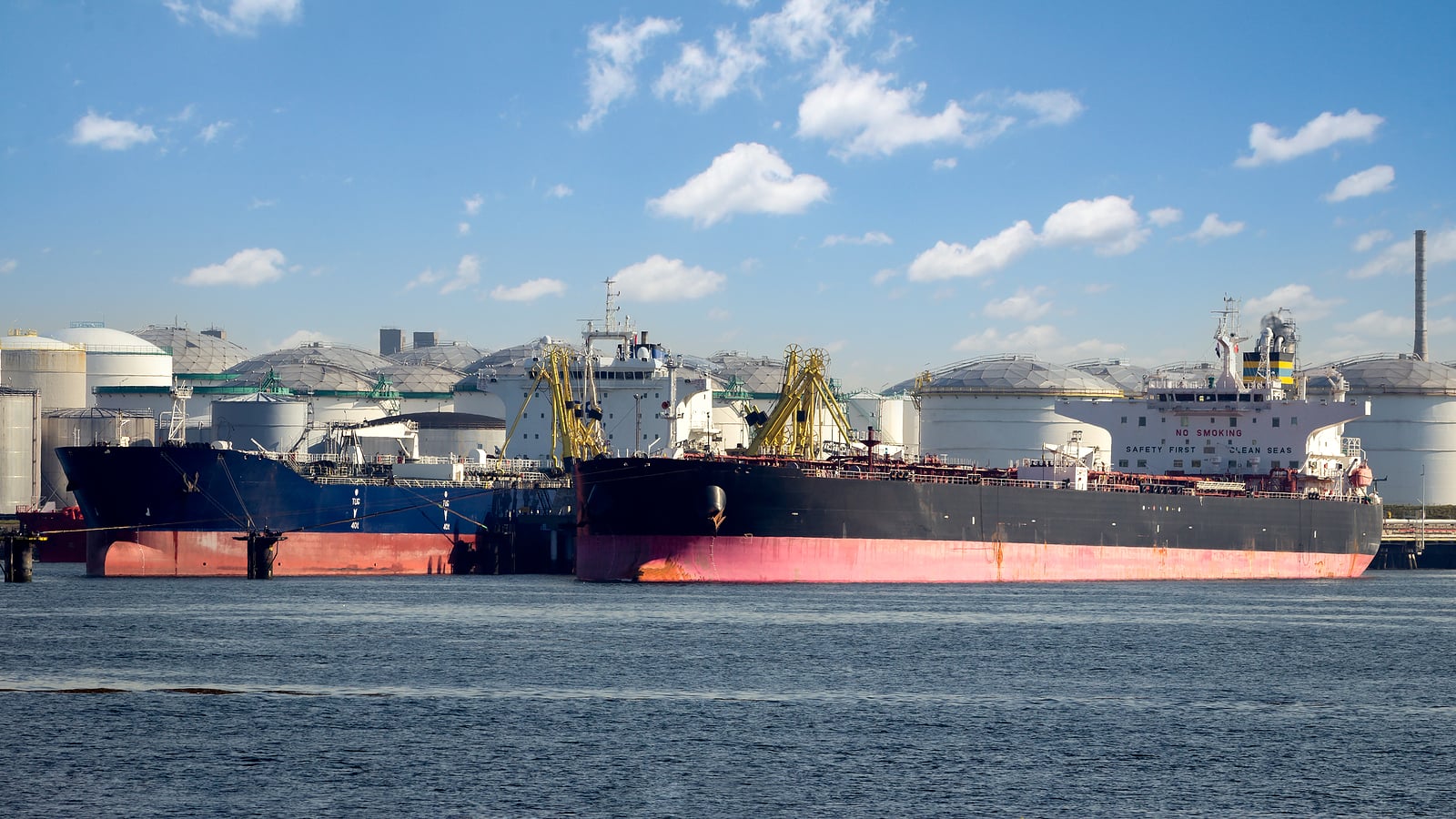
The United States issued a 30-day waiver allowing countries to buy sanctioned oil and petroleum products from Russia that are currently stranded at sea — totaling 100 million barrels, almost a day’s worth of global consumption — to stabilize global energy markets experiencing extreme volatility due to the conflict with Iran. Oil prices eased after the U.S. waiver announcement.
Ukraine and its allies, however, are against the U.S. action. Ukrainian President Volodymyr Zelenskyy said the move could provide Russia with billions in revenue, adding: “It certainly does not help peace.” European Commission President Ursula von der Leyen said now was not the time to relax sanctions against Russia. British energy department minister Michael Shanks indicated that the UK government would not be loosening its sanctions on Russia at all, describing the timing as a “critical moment in the Russian aggression against Ukraine.”
According to Reuters, Russia’s energy revenues were halved in the first two months of this year, in part because of sanctions, and its government had already been contemplating a major cut to budget spending. Before the U.S. announcement, the Russian government was preparing a possible 10% cut to all “non-sensitive” spending in its budget for this year. It was planning for a deficit of 1.6% of gross domestic product in 2026. An unnamed source via Reuters said that oil price growth would not be sustainable in the long term, and the current budget situation requires spending cuts regardless of the short-term oil price fluctuations. Russia will, however, likely benefit from a higher oil price in the short term, which should lower oil prices globally in the short-term.
The license, issued by the U.S. Treasury, authorizes the delivery and sale of Russian oil and petroleum products loaded on vessels as of March 12th, and it will remain valid through April 11th. The U.S. Treasury previously issued a 30-day waiver on March 5th specifically for India, allowing New Delhi to buy Russian oil stuck at sea to feed its extensive refineries.
The announcement regarding the Russian waiver came after members of the International Energy Agency agreed to jointly release 400 million barrels from their strategic reserves, the largest such release in the agency’s history. The U.S. share is 172 million barrels and will take about four months to release from its Strategic Petroleum Reserve.
The Trump administration is also considering a 30-day waiver to allow foreign shipping between U.S. ports, which would potentially lower costs and speed deliveries. Because of the Jones Act, a 100-year-old law, U.S. goods must be transported by U.S. ships with U.S. crews between U.S. ports. There are only a paltry 55 tankers in the U.S. fleet, compared to 7,500 in the world’s fleet, making the task more expensive due to limited supply. The waiver would help facilitate the free flow of gasoline in the United States. California has been shipping gasoline from the U.S. Gulf via the Bahamas to avoid the Jones Act. During supply crunches, the Northeast would, at times, receive supplies from Europe or other destinations. Besides oil, waiving the Jones Act has other benefits since the conflict with Iran has affected commodities such as fertilizer.
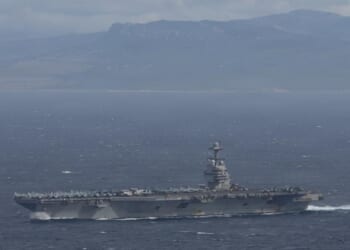
Other measures offered by President Trump include ordering the U.S. International Development Finance Corporation to provide political risk insurance and financial guarantees for maritime trade in the Gulf to the tune of $20 billion. According to JPMorgan analysts, however, that level of insurance coverage is “too small for the risk,” estimating that roughly 329 tankers currently in the Gulf could require up to $352 billion in total insurance protection. President Trump has also suggested that the U.S. navy escort ships through the Strait of Hormuz, the waterway through which 20% of the world’s oil exports flow, once it is safe to do so. The U.S. Navy, however, is not yet available to escort ships, and since Iran is suspected to have laid a number of mines in the strait, the waterway must be swept before ships can safely transit.
Via CBC, Iran’s Islamic Revolutionary Guard Corps intends to block oil shipments from the Persian Gulf unless the U.S. and Israeli attacks cease. With the Strait of Hormuz essentially blocked, oil prices will remain volatile. According to Reuters, Goldman Sachs predicted that Brent oil would average more than $100 a barrel in March and $85 in April, due to the Iran war, damage to Middle East energy infrastructure, and disruptions in the Strait of Hormuz.
Analysis
It is estimated that the Russian oil stranded at sea amounts to about one day’s consumption on the global market, or five or six days of the supply that transits the Strait of Hormuz. However, it is unlikely that the 30-day waiver will affect Russia’s budget to the point that the anticipated cuts would no longer be necessary. The reforms being pursued by the Trump administration should help depress oil prices in the short-term, but more domestic production will be needed to prevent long-term increases if the Strait of Hormuz remains blocked.
For inquiries, please contact [email protected]