It appears that the unstable trade truce between the US and China is over.
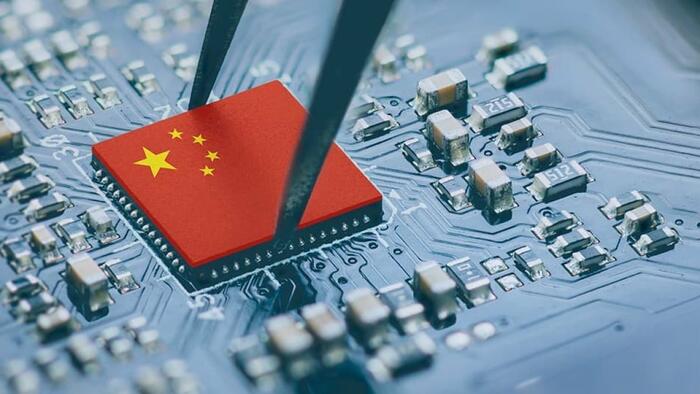
In what the SCMP calls a “decisive trade move against China’s semiconductor industry” the US Trade Representative Office said it had determined that Beijing’s drive for dominance in the sector is “unreasonable and discriminatory” and poses a direct threat to US commerce.
In a formal Notice of Action filed with the Federal Register, the agency said the US will slap tariffs on Chinese semiconductor imports over Beijing’s “unreasonable” pursuit of chip industry dominance, but would delay the action until June 2027, at which point the rate will be raised to a higher level that will be announced 30 days before the deadline.
The filing follows a year-long investigation into China’s chip imports into the United States, launched by the Biden administration on December 23, 2024, which concluded that China has employed “sweeping non-market policies” to capture global market share and displace foreign competitors.
The USTR said China’s industrial plans target “every major segment of the semiconductor supply chain,” including fabrication, design, assembly, testing and packaging.
“China’s pursuit of its dominance goals has severely disadvantaged US companies, workers, and the US economy generally,” the notice said, citing lost sales, reduced competition, and the creation of dangerous economic dependencies.
“China’s targeting of the semiconductor industry for dominance is unreasonable and burdens or restricts U.S. commerce and thus is actionable,” the U.S. Trade Representative concluded.
According to Reuters, the move represents the latest effort by President Donald Trump to dial down tensions with Beijing, faced with Chinese export curbs on the rare earth metals that global tech companies rely on and which China controls. We disagree, and view the decision – which finds that China is aggressively abusing free markets – will be one which forces Beijing to retaliate in tit-for-tat fashion.
The chip industry is awaiting the outcome of another investigation into chip imports that could hit Chinese goods and result in tariffs on a vast array of technology, but U.S. officials are privately saying that they might not levy them anytime soon, Reuters reported
Loading recommendations…