Many medical policies are driven more by profit than by evidence of what truly benefits patients. Because of this, we frequently see medicine refuse to ever discuss the things that are making us sick (e.g., numerous studies show vaccines make children 2-10X more likely to develop chronic illnesses that are now widespread) while in tandem, we are relentlessly pressured to put all focus onto a few things which do not make enough money for lobbyists to defend them.
In this article, I will explore one of my key frustrations with this dynamic: the medical establishment’s ongoing war on salt. In this article, I will focus on one of my major frustrations with this medical paradigm—the war against salt.
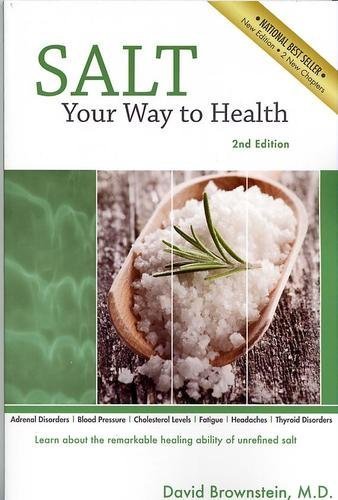
Salt Your Way to Healt…
Best Price: $12.88
Buy New $16.95
(as of 04:45 UTC – Details)

Note: the war against salt began in 1977 when a Senate Committee published dietary guidelines arguing for reduced sodium consumption despite the existing evidence not supporting this. Since then, like many other bad policies, it has developed an nearly unstoppable inertia of its own.
Is Salt Bad For You?
Many people you ask, particularly those in the medical field will tell you salt is bad, and one of the most common pieces of health advice given both inside and outside of medicine is to eat less salt.
Over the years, I’ve heard two main arguments for why salt is bad for you.
First, salt raises blood pressure, and high blood pressure is deadly, so salt is too and should be avoided.
Second, with individuals who have heart failure, eating too many salty foods will create exacerbations of their condition, and as a result, after holidays where people eat those foods (e.g., the 4th of July) more heart failure patients will be admitted to hospitals for heart failure exacerbations.
Note: excessive sodium causes these exacerbations because if an excess amount of fluid accumulates in a compromised system (e.g., because the weakened heart can’t move enough blood to the kidneys to eliminate it), it then overloads other parts of the body (e.g., causing swelling and edema, which, if in the lungs, can be life threatening).
Because of these two things, many in the medical field assume that salt must be bad for you and hence strongly urge patients to avoid it (to the point you often see an elderly patient who loves her salt be aggressively pushed into abandoning it). Unfortunately, the logic behind those two arguments’ logic is less solid than it appears.
The Great Blood Pressure Scam
Since medicine revolves around making money, patient care is often structured to be as profitable as possible. In turn, since recurring revenue is a foundational principle of successful businesses, a key goal in medicine often ends up being to have as many patients as possible on lifelong prescriptions.
In most cases, the drugs that are developed and approved have real value for specific situations, but those situations are not enough to cover the exorbitant cost it requires to get a drug to market. As a result, once drugs are approved, the industry will gradually come up with reasons to give them to more and more people and in turn quickly arrive at the point where many of their customers have greater harm than benefit from the pharmaceutical.
One classic way this is done is by creating a drug that treats a number, asserting that the number has to be within a certain range for someone to be healthy, and then once that is enshrined, narrow and narrow the acceptable range so less and less people are “healthy” and hence need the drug (e.g., this happened with cholesterol once statins were invested). Likewise, this characterizes the history of blood pressure management:
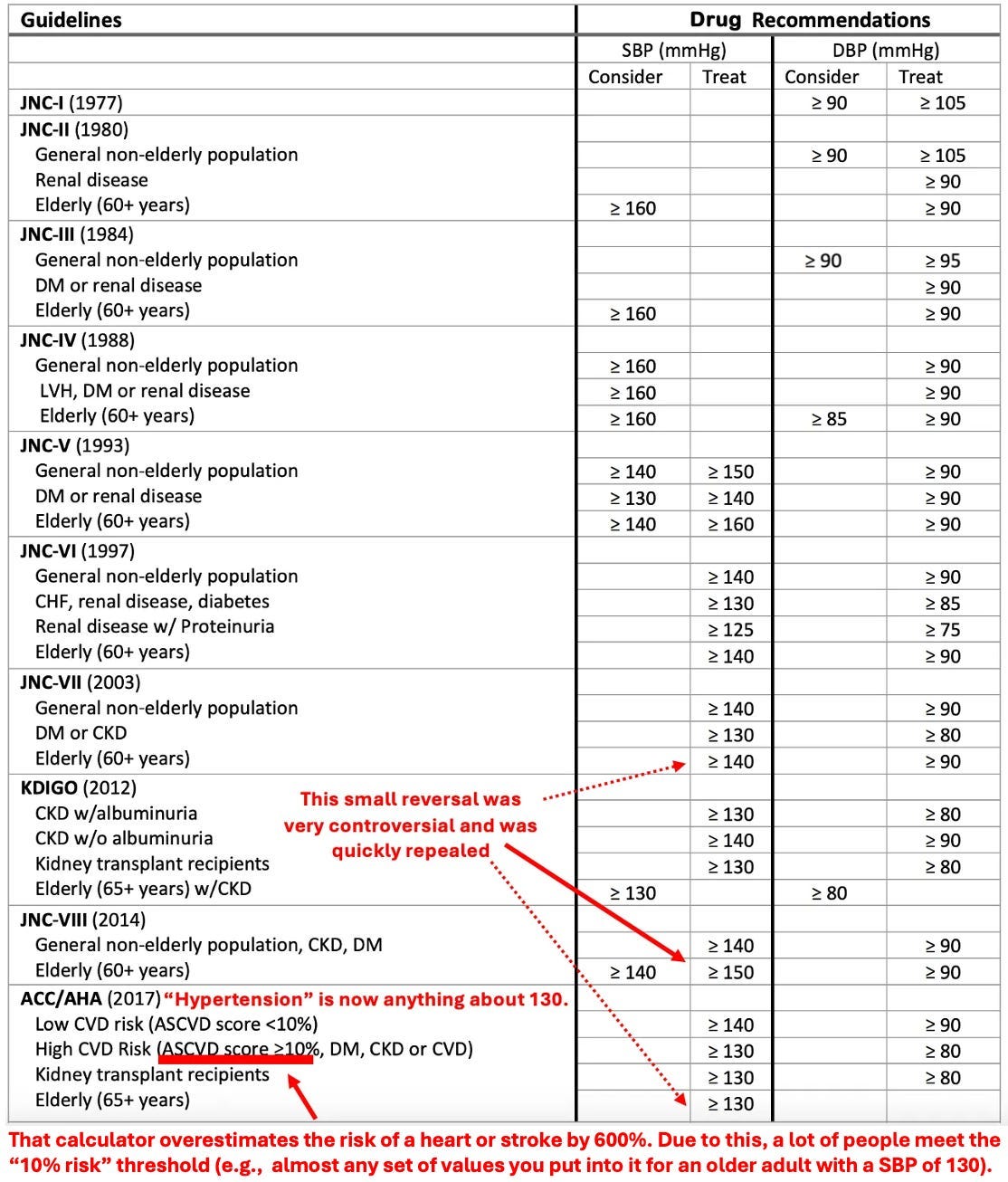
Because of this, many people (particularly the elderly) are frequently pushed to excessively low blood pressures which reduces critical blood perfusion for the organs—which particularly unfortunate as high blood pressure is often a symptom of poor circulation rather than its cause.
As such, reducing the remaining circulation by lowering blood pressure then makes them significantly more likely to get a variety of significant issues (e.g., kidney injuries, cognitive impairment, macular degeneration), the most studied of which is lightheadedness or fainting leading to (often devastating) falls. Additionally, blood pressure medications also often greatly reduce one’s quality of life (e.g., by causing fatigue or erectile dysfunction).

Note: for those interested in learning more about the great blood pressure scam (a lot of what we’re taught about blood pressure is less than accurate), it can be read here.
Low Sodium
A cornerstone of cementing the blood pressure market has been to make everyone terrified of salt (much in the same way making people terrified of the sun is a cornerstone of the lucrative skin cancer treatment market—despite the fact the deadly skin cancers are actually due to a lack of sunlight).
Remarkably, much like the great dermatology scam (which has been able to make a massive amount of money from removing cancers that almost never become life threatening) the link between blood pressure and salt consumption is actual quite tenuous.
For example, the most detailed review of this subject found that drastic salt reduction typically results in less than a 1% reduction in blood pressure. Likewise, doctors rarely recognize that patients in the hospital are routinely given large amounts of IV 0.9% sodium chloride, in many cases receiving ten times the daily recommended sodium chloride we are supposed to consume—yet their blood pressure often barely rises.
Note: some individuals and certain ethnicities are salt-sensitive. They may experience greater increases in blood pressure or worsening of other symptoms when consuming moderate amounts of salt (although this does not apply to the majority of the population).
Despite this, patients are often pushed to eliminate all (or almost all) salt from their life. Beyond this significantly reducing their quality of life (as people like salty foods) it can be dangerous. For example:
• A study of 181 countries found that countries with lower salt consumption have shorter life expectancies.
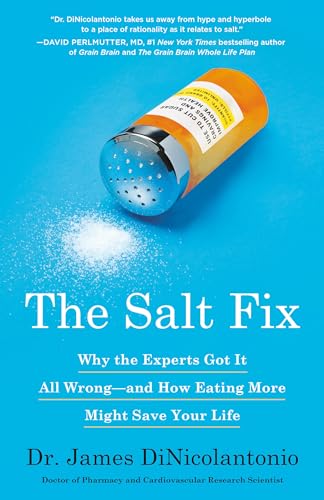
The Salt Fix: Why the …
Best Price: $6.79
Buy New $12.97
(as of 11:42 UTC – Details)
• Low sodium levels (hyponatremia) are strongly correlated with a risk of dying (e.g., the salt consumption target we are recommended to follow increases one’s risk of dying by 25%). Likewise, a common reason for hospital admissions, are symptoms resulting from hyponatremia (as once sodium levels get too low, it can be very dangerous), and 15-20% of hospitalized patients have low sodium levels at admission.
Note: mild hyponatremia is also associated with an increased risk of death.
• Reduced salt consumption, not surprisingly, increases one’s risk of hyponatremia (e.g., one study one study found salt restriction made hypertensive patients 9.9 times more likely to develop hyponatremia).
Note: many blood pressure and psychiatric medications put you at risk for dangerously low sodium levels (e.g., SSRI antidepressants make you 3.16 times more likely to develop hyponatremia). Additionally, certain patients (e.g., those with autonomic nervous issues) are much more sensitive to salt restriction causing hypotension (low blood pressure).
• Low dietary sodium intake causes a 34% increase in cardiovascular disease and death.
• Rapidly lowering blood sodium levels reduces cardiac output and blood pressure in a manner resembling traumatic shock (which frequently raises the heart rate as the heart tries to compensate for insufficient blood). Low salt consumption, in turn, has been repeatedly linked to tachycardia (and atrial fibrillation).
• Aging kidneys have a reduced ability to respond to changes in blood sodium levels (putting them at greater risk for hyponatremia following sodium deprivation).
Note: three of the most common symptoms of hyponatremia (which lead people to go to the Emergency Room) are fatigue, confusion and difficulty concentrating.
• Many have reported discovering low salt consumption was the cause of their fatigue and lightheadedness (which has also been proven in a clinical trial which treated postural orthostatic tachycardia syndrome with increasing dietary sodium).

Note: chronically low blood pressure (e.g., POTS) has been shown to be one cause of chronic fatigue syndrome,1,2 and POTS is often treated with increased dietary sodium.
• Chronic sodium depletion has been linked to fatigue and insomnia.
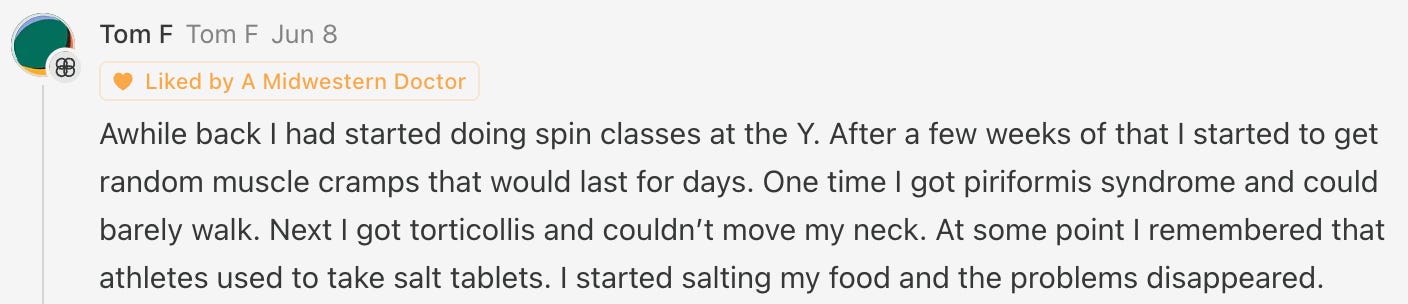
•Many readers have shared with me that a variety of health issues improved once they began consuming natural salt (e.g., headaches, erectile dysfunction, waking up in the middle of the night or chronically elevated blood pressures).
Note: a variety of other health issues (e.g., worsening of diabetes or a stomach hydrochloric acid deficiency) have also been linked to insufficient dietary sodium.