As Operation Epic Fury finishes its sixth week and enters a two-week cease fire period, we estimate an incremental cost to date of between $25 and $35 billion. An updated summary of cost drivers and methodology included in the posted March 10 and March 19 estimates again follows.
The assumptions used to generate the estimate rely on publicly available information from the Pentagon and United States Central Command (CENTCOM) briefings and fact sheets on the ships deployed, aircraft flying, defenses employed, and targets reported. We then used official sources of cost data for operation and sustainment and procurement of replacement interceptors, missiles, munitions, and lost aircraft. Finally, we applied informed judgements regarding distances, specific platforms engaged on missions, and the likely mix of munitions and interceptors expended.
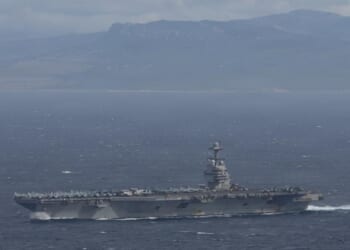
The estimate’s high/low range largely depends on the percentage split between the United States and regional partners in intercepting Iranian attacks and the shot doctrine used to put munitions on target. The high estimate also includes replacement of a radar at Al Udeid in Qatar and some repair costs for the Ford carrier.
The concept of incremental costs is important as they do not include basic pay, training, original platform procurement, or other costs that would have been incurred regardless of the specific operation conducted.
Our sources include: U.S. Naval Institute Fleet Tracker, Military Air Tracker Alliance open-source data, Congressional Budget Office reports on force structure operation and sustainment costs, fiscal year 2026 budget justifications and published reimbursable rates, AEI Critical Threats Project and Institute for the Study of War intelligence reports, and additional news and imagery reporting on battle damage to US assets in the region.
The estimate cost drivers are summarized by category here.

The estimate captures the cost of moving military assets to the region starting December 29, 2025 and assumes replacement of a variety of interceptors and munitions expended and aircraft lost as of April 8, 2026.
This estimate does not account for use of national assets in this region, rather than elsewhere, or other agency—or partner—capabilities involved in the operation.
While our estimate is considerably less than the latest reported supplemental under review, there are six categories of costs that would be part of a supplemental that are above the incremental Epic Fury costs we capture here.
First, US Central Command and its components will have a more thorough battle damage assessment for its bases and assets in the region that what has been officially confirmed and made public to date. Those costs would be part of the supplemental.
Second, our estimate makes assumptions for the mix of interceptors, munitions and aircraft used to service each of the over 13,000 targets struck to date. The actual capture of costs from the components conducting the operation will be used to inform the supplemental. The vast difference in cost among the inventory of missiles available for each mission, and the combined mix of procurement preferences used to replace them, is part of the reason for the range of our estimate and could also increase the final supplemental amount requested.
Third, and related to the above, the Department intends to fund recently announced frameworks to accelerate production of key munitions to replace and increase available stockpiles, such as THAAD, Patriot, and the Precision Strike Missile, while also developing and producing different low-cost solutions manufactured by an expanded industrial base, all of which could be part of the supplemental.
Fourth, a supplemental request would include other contingency operations, such as Operations Southern Spear and Absolute Resolve, which together could approach $5 billion.
Fifth, the supplemental will include those operational costs associated with Epic Fury or other unbudgeted requirements of the federal government outside the Pentagon, such as the reported efforts of the intelligence community during the rescue of the downed Strike Eagle crew or other national level assets applied to the operation.
And finally, the Department will want to include projections for all these contingency operational costs for at least the rest of the fiscal year and, given the likelihood of yet another continuing resolution in October, they could project the costs through the rest of calendar year 2026.
Taken together, this latest estimate of the cost of Epic Fury to date, combined with the six categories noted above could easily add to the $80–$100 billion reported to be under consideration.
Cost should always be viewed in combination with value. While the long-term strategic return for the United States on the Epic Fury investment remains to be seen, the value of the overdue reduction of the threat posed by Iran’s nuclear, missile/drone, naval, cyber and proxy capabilities is clear and together will add up to strategic success in meeting American peace through strength interests in the region.
The post Epic Fury Costs as of the April 8 Cease Fire appeared first on American Enterprise Institute – AEI.