Hello and happy Saturday. I’ve spent a lot of time in this space discussing our coverage of the war in Iran over the past two months, which has crowded out any discussion of the ongoing primary elections. But this week we turned our attention to a few key races to see what they say about the state of both parties and the political climate in general.
Michael Warren peeked in on the Republican gubernatorial primary in Georgia, and what he found was, as he put it, “ugly.” Lt. Gov. Burt Jones, the Trump-endorsed candidate, has long had a habit of sending crude and belittling texts to political opponents, but he’s taking it to a new level as he faces an unexpected primary challenge in his gubernatorial campaign. Billionaire businessman Rick Jackson entered the race in February and brought his wallet with him. He’s spent $47 million so far and currently has a narrow lead over Jones in the RealClearPolitics polling average.
Mike reports that Jones texted state Attorney General Chris Carr, a fellow candidate, “12 months running and you still in single digits 😂😂 great work!!! Keep it up 👍.” And he texted an operative for Jackson’s campaign, “Tell creepy Ricky that I am praying for him.”
But, more concerning, Jones has also texted state legislators who have endorsed Jackson or at least not endorsed Jones. Mike spoke to some of those lawmakers, who described the texts as “angry or even vaguely intimidating, not persuasive or conciliatory.” Mike wrote:
Republican legislators who spoke to me say the threats to those who haven’t endorsed Jones have been more implied than explicit, but the chilling effect is real. Other members of the state Legislature who had been ready to endorse a candidate other than Jones for governor are instead holding their tongues, the aforementioned legislator told me. Jackson may be in the lead now, but it’s reasonable that state legislators with their own priorities in the General Assembly want to avoid making Jones angrier.
Meanwhile, The Morning Dispatch reported on the California governor’s primary, which is defined at the moment by uncertainty. The state has a “jungle primary,” in which all candidates face off on one ballot and the top two, regardless of party affiliation, advance to the general election in November. Well-known Democrats like former Vice President Kamala Harris and Sen. Alex Padilla opted not to run, and the candidate with perhaps the best name recognition, Rep. Eric Swalwell, dropped out of the race in mid-April and resigned from Congress after the San Francisco Chronicle and CNN reported on sexual assault allegations against him.
That leaves eight lesser-known Democrats splitting support on the left running against two Republicans. For now—with the caveat that a plurality of voters are undecided—Republicans Steve Hilton and Chad Bianco are polling slightly ahead of the top Democrat, billionaire Tom Steyer. Which creates a very interesting situation in deep blue California:
If Hilton and Bianco continue to split the California GOP electorate—which accounts for about 25 percent of the state’s voters—the math could ruin Democrats. With their own field this splintered, 15 percent each might be enough for both Republicans to grab the runoff slots.
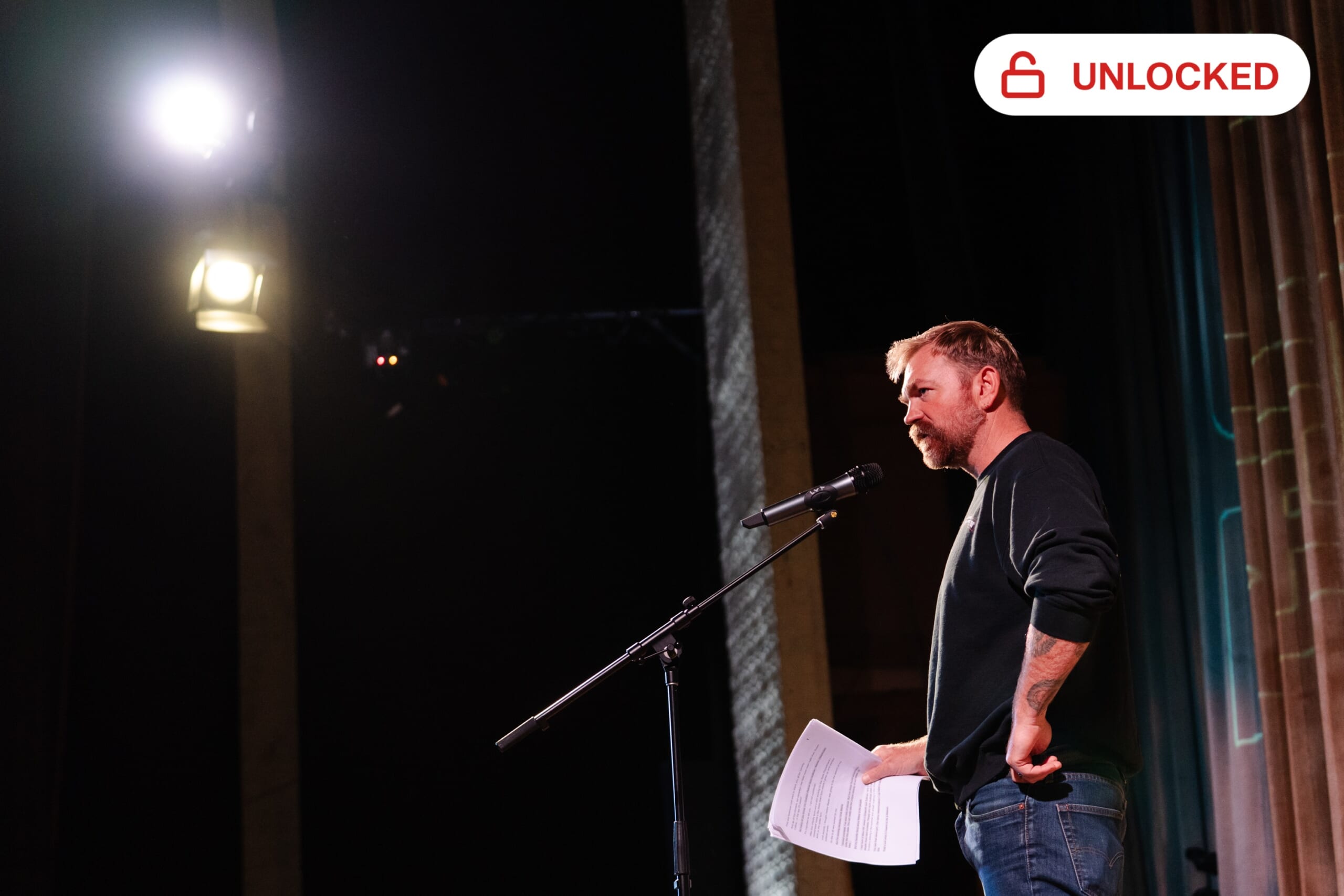
Even less certainty exists in the Maine Democratic Senate primary. Gov. Janet Mills ended her campaign Thursday, effectively ceding the nomination to progressive upstart Graham Platner. Platner, 41, is an oyster farmer and former Marine who faced scrutiny earlier in his campaign over a skull-and-crossbones tattoo (since covered) resembling a symbol used by Nazis in World War II. His youth and pugnaciousness provides a sharp contrast to the moderate Mills, and that seems to be what Democratic voters are looking for. He had a double-digit polling lead over Mills before she dropped out.
In some ways, the race reminds Nick Catoggio of the 2010 midterms, when Tea Party-aligned voters across the country nominated anti-establishment candidates—namely Sharron Angle in Nevada and Christine O’Donnell in Delaware—in winnable races, only to watch them get thumped in November. Will Platner suffer the same fate against Sen. Susan Collins, the moderate Republican seeking her sixth term? Nick isn’t so sure. While the conditions remind him of 2010, Platner himself reminds Nick of a different candidate from a different election—Pennsylvania Sen. John Fetterman. He writes:
Fetterman “coded” as right-wing culturally despite his left-wing politics due to his shaved head, burly frame, and taste for hoodies. Swing voters who might otherwise find progressives fringe, weird, and/or effete could relate to him.
That’s one reason I’ve come to think Platner might be underestimated. Like Fetterman, he “codes” redder than the typical leftist such that the average joe is likely to find him less culturally foreign. He’s an oysterman, a veteran, and given to political incorrectness that would make a wokester blanch. An undecided voter might look at him and plausibly conclude that Platner can’t be that progressive at heart—even though, in all the worst ways, he is.
Thank you for reading, and I hope you have a great weekend. It’s going to be a busy one in the Ohio bureau (temporarily relocated to Athens). For those of you who remember the times I’ve gotten a little more personal here, our oldest son will be commissioned as a second lieutenant, graduate from Ohio University, and—for good measure—get married this weekend. My tissues and waterproof mascara are packed.
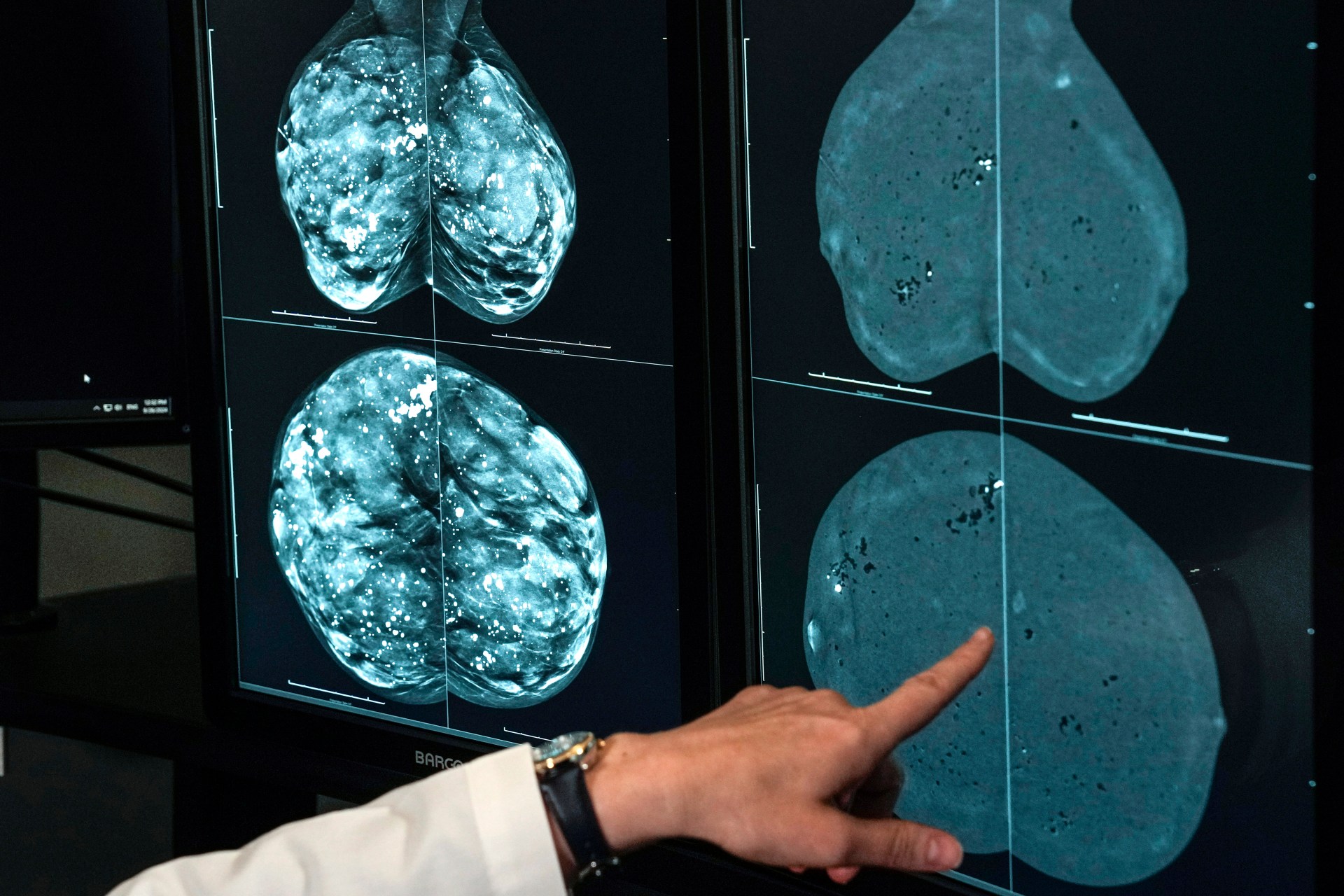
In a series of congressional hearings earlier this month, Kennedy criticized the U.S. Preventive Services Task Force (USPSTF) and announced plans to add new members. The independent panel provides guidance on a wide range of routine preventive care, not including vaccines, that primary care doctors provide to children and adults. The task force, made up of 16 volunteers, maintains nearly 100 care recommendations—from breast cancer screening to statin prescriptions for people at risk of cardiovascular disease to depression screening. The guidance involves only preventive services the task force assesses are effective interventions for otherwise healthy people mostly provided or recommended by primary care doctors during routine visits. This prevention care is distinct from treatment for people who are exhibiting signs or symptoms of a particular illness. “Anytime anyone goes to their doctor for a wellness exam, anytime their doctor says, ‘Oh, you should do this to stay healthy,’ it’s usually based on the U.S. Preventive Services Task Force recommendations,” Dr. Alex Krist, former chair of the USPSTF who served on the body from 2014 through 2021, told The Dispatch. “Every primary care clinician uses the task force recommendations 100 times a day.”
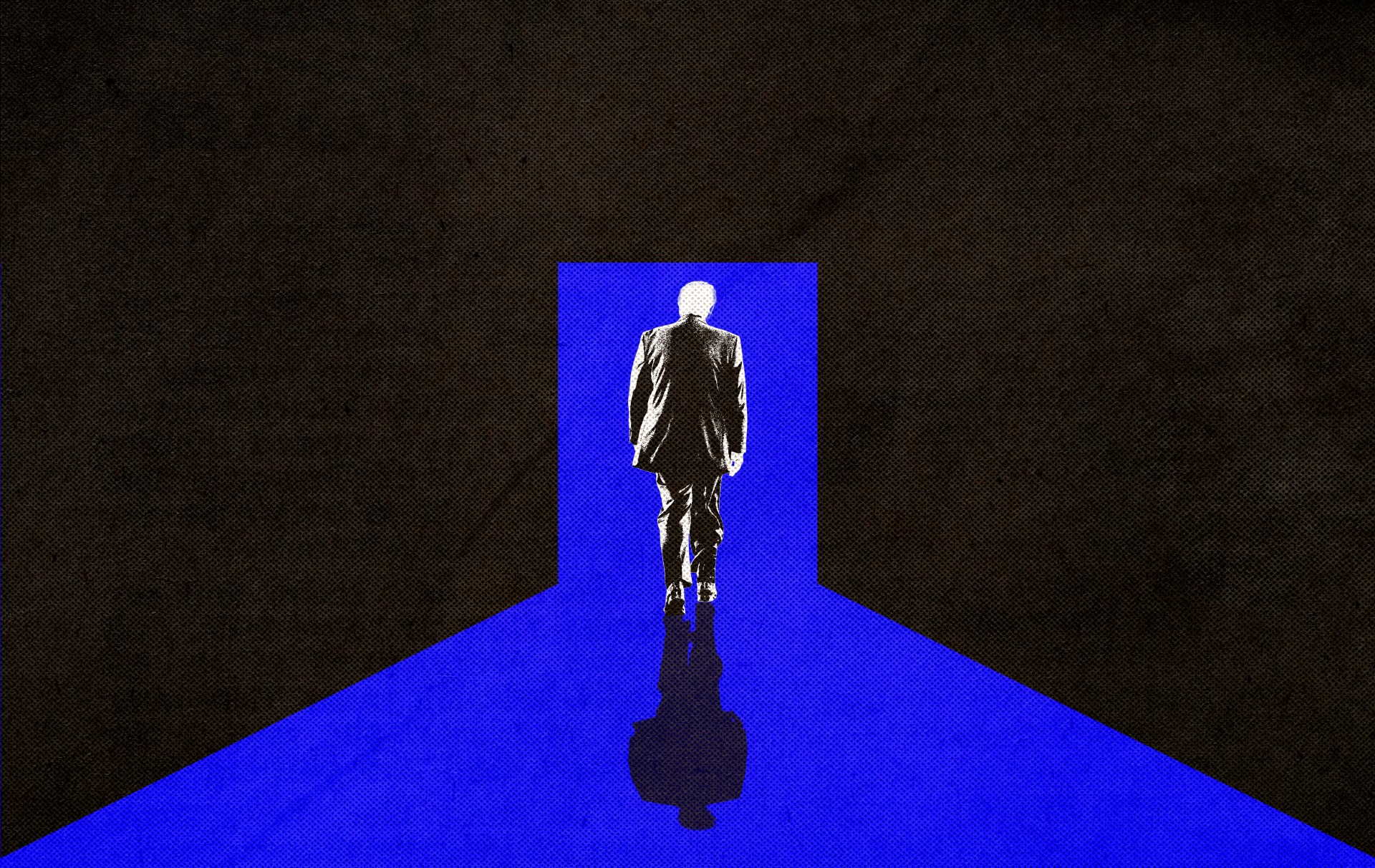
In the past, Trump has been hated by liberals, seen as divisive among independents, and (the complaints of a small band of principled columnists notwithstanding) enjoyed popular support among conservatives. Declines in Trump’s poll numbers were usually precipitated by independents abandoning him. Today, Trump remains toxic among liberals, has come to be viewed negatively by most independents, and is newly divisive among conservatives. Trump’s ironclad grip over the Republican base is starting to loosen. In the past, conservative critics of Trump have usually complained that he has sold out the views and values associated with figures such as Ronald Reagan. Now, criticism of Trump within the conservative camp is for the first time being framed as a betrayal of the supposed values on which the MAGA movement was founded. Some of the biggest influencers on the American right, such as Candace Owens and Tucker Carlson, have recently expressed regret for supporting Trump. For the first time since 2016, his hold over the MAGA movement may actually be weakening. The political costs from these developments are likely to compound over the course of the coming months.
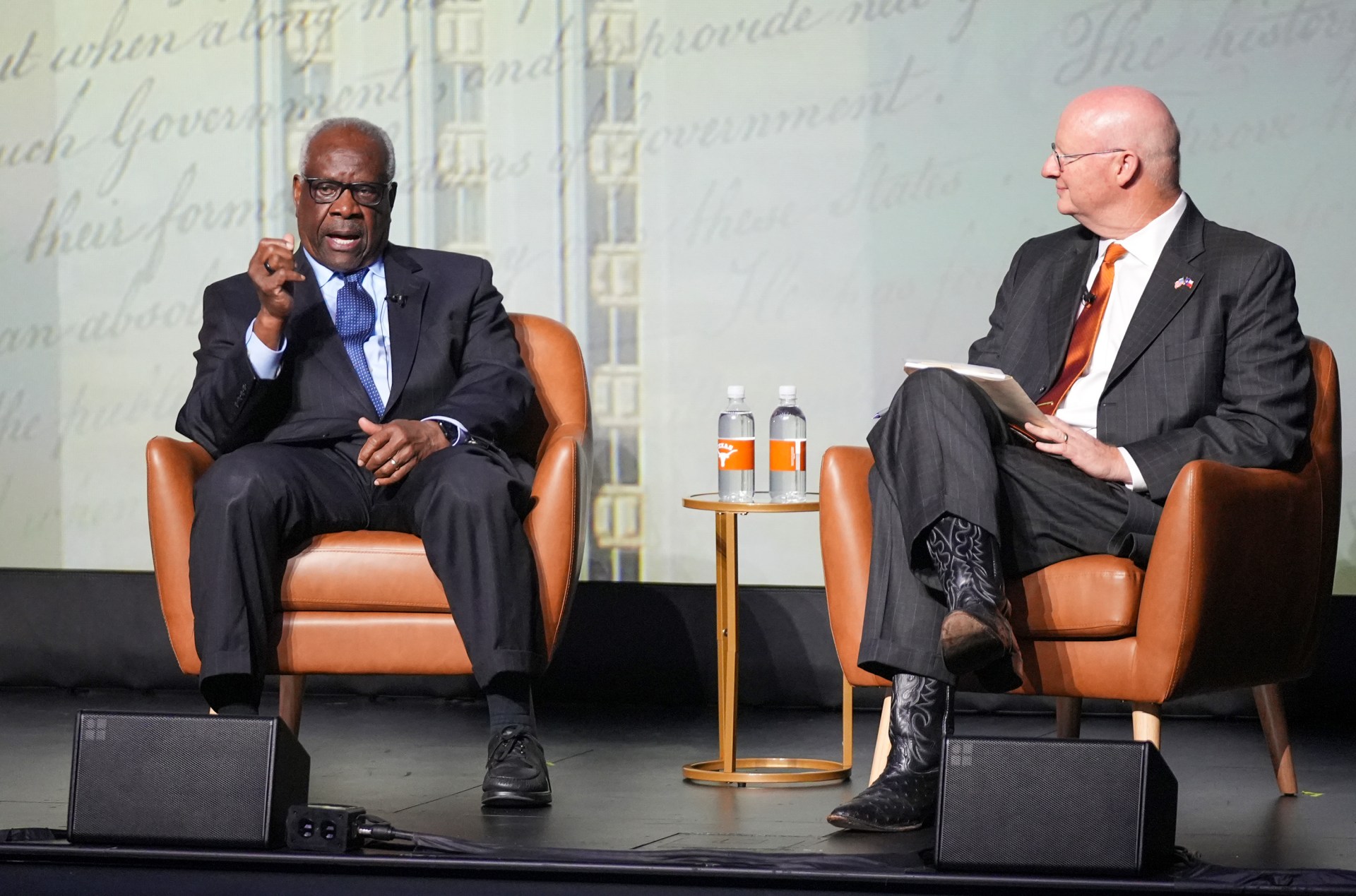
“But progressives only believe in nice things!” Thus went up the cry from the very dumbest and laziest corners of American public life after Supreme Court Justice Clarence Thomas gave a personally moving—and, as a matter of fact, entirely unobjectionable—speech at the University of Texas in which he outlined two sets of principles and assumptions competing for dominance in our political culture: the ideas spelled out in the Declaration of Independence 250 years ago and those introduced during the Progressive Era about a century ago. Justice Thomas gives a speech about Woodrow Wilson and Otto von Bismarck, and we get a howling chorus of partisan clods who apparently think he was talking about James Talarico—or Thurgood Marshall. … Wilson was, in his time, the single most powerful and consequential leader in the progressive movement in the United States of America. As Justice Thomas explained—and the point is hardly controversial among historically literate people—Wilson despised the principles of the Declaration of Independence and the Bill of Rights, preferring instead a government of relatively unfettered “scientific” expertise. There was a Progressive Party, whose most successful presidential candidate—maybe you’ve heard of Teddy Roosevelt—was an unapologetic white supremacist who believed that the majority of African Americans in the South were “wholly unfit for the suffrage.” Wilson, the godfather of American progressivism, did not merely accept preexisting racial segregation in the federal government but imposed it on the federal work force where it did not already exist.